THE ADVENTURE COLLECTIVE® · Independent discovery and booking for outdoor travel

Two days through the Sacred Valley fold history, high-altitude agriculture, and living Andean culture into a compact route from Pisac to Ollantaytambo. Discover terraces, salt pans, and colonial markets with practical tips for altitude and timing.
Two days through the Sacred Valley fold history, high-altitude agriculture, and living Andean culture into a compact route from Pisac to Ollantaytambo. Discover terraces, salt pans, and colonial markets with practical tips for altitude and timing.
You step out of the van and the valley exhales—thin air, sunlight on stone, and terraces stepping down toward the Urubamba River that seems to dare you to follow it. Day one climbs to the Pisac ruins above a colonial town with a market that still hums with silver and woven patterns. The path is a study in stonework and irrigation, where terraces angle like giant steps toward the sky.
Verified experiences and guided adventures in the surrounding area.
Operated by Qente travel · Pisac, Cusco
You step out of the van and the valley exhales—thin air, sunlight on stone, and terraces stepping down toward the Urubamba River that seems to dare you to follow it. Day one climbs to the Pisac ruins above a colonial town with a market that still hums with silver and woven patterns. The path is a study in stonework and irrigation, where terraces angle like giant steps toward the sky.
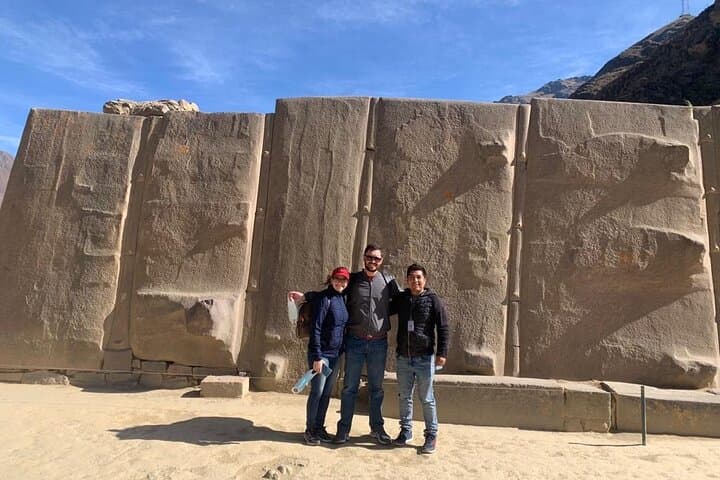
The second day reads like an agricultural field manual from the empire: Moray’s concentric terraces, a deliberate experiment in microclimates, and Maras’ salt pans, a patchwork of white wells fed by a mineral spring for centuries. Ollantaytambo closes the loop — streets and temple stones that show Inca quarrying and urban planning up close.
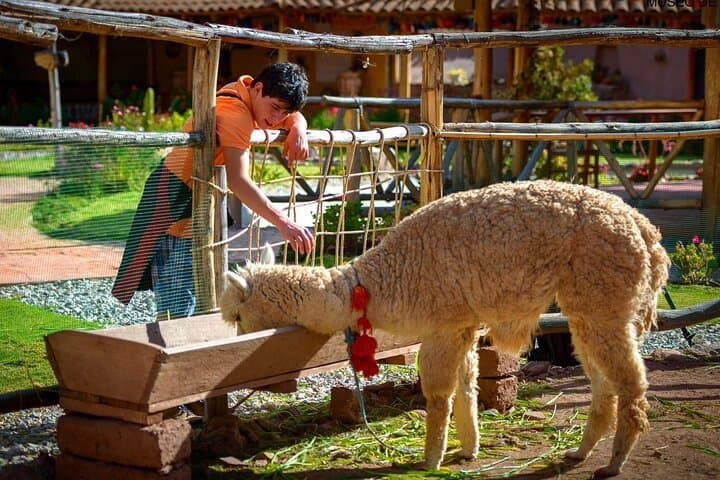
Geology here is obvious: volcanic soils, river-carved valley, and steep Andean slopes shaping settlements. Culturally, you’ll see living textile traditions, local chicha preparation, and alpacas grazing in the cool air. Many sites sit between ~2,800–3,600 m; expect short, steep climbs and uneven stone steps rather than long alpine ascents.
Practical guidance: arrive acclimatized, drink steadily, and move deliberately on stone stairways. Carry cash for markets, wear supportive shoes for cobbled streets, and schedule visits early or late to avoid midday crowds and strongest sun. The tour includes transportation, museum entries, lunches, and hotel transfers; still, plan for a relaxed pace — altitude rewards patience more than speed.
moderate.
2 days.
Light to moderate fitness; able to walk several hours over uneven terrain and manage short steep climbs at altitude.
Sites range roughly between 2,800 and 3,600 meters above sea level; expect thinner air and cooler temperatures than in lowland Peru.
Yes — the tour lists all entries and lunches as included in the itinerary.
The tour is rated suitable for all fitness levels, but short steep sections and altitude mean a slower pace is advisable for children and those with mobility limits.
Yes — the itinerary recommends staying in the Sacred Valley to catch an early train to Machu Picchu the following day; transfers to valley hotels are included.
The Sacred Valley was a strategic agricultural and transport corridor for the Inca Empire; sites like Moray show deliberate experimentation with microclimates to diversify crops.
Salt pans at Maras and terraces at Moray are fragile; stick to marked paths, avoid collecting artifacts, and support local artisans to keep traditional livelihoods viable.
Qente travel operates guided outdoor trips and adventures with an emphasis on safety, stewardship, and memorable experiences.


You step out of the van and the valley exhales—thin air, sunlight on stone, and terraces stepping down toward the Urubamba River that seems to dare you to follow it. Day one climbs to the Pisac ruins above a colonial town with a market that still hums with silver and woven patterns. The path is a study in stonework and irrigation, where terraces angle like giant steps toward the sky.
You step out of the van and the valley exhales—thin air, sunlight on stone, and terraces stepping down toward the Urubamba River that seems to dare you to follow it. Day one climbs to the Pisac ruins above a colonial town with a market that still hums with silver and woven patterns. The path is a study in stonework and irrigation, where terraces angle like giant steps toward the sky.
The second day reads like an agricultural field manual from the empire: Moray’s concentric terraces, a deliberate experiment in microclimates, and Maras’ salt pans, a patchwork of white wells fed by a mineral spring for centuries. Ollantaytambo closes the loop — streets and temple stones that show Inca quarrying and urban planning up close.
Geology here is obvious: volcanic soils, river-carved valley, and steep Andean slopes shaping settlements. Culturally, you’ll see living textile traditions, local chicha preparation, and alpacas grazing in the cool air. Many sites sit between ~2,800–3,600 m; expect short, steep climbs and uneven stone steps rather than long alpine ascents.
Practical guidance: arrive acclimatized, drink steadily, and move deliberately on stone stairways. Carry cash for markets, wear supportive shoes for cobbled streets, and schedule visits early or late to avoid midday crowds and strongest sun. The tour includes transportation, museum entries, lunches, and hotel transfers; still, plan for a relaxed pace — altitude rewards patience more than speed.