THE ADVENTURE COLLECTIVE® · Independent discovery and booking for outdoor travel

Walk the Short Inca Trail through cloud forest and terraces, arrive at Machu Picchu via the Sun Gate, and explore Sacred Valley sites over two immersive days. This guide covers what to expect, how to prepare, and practical tips for the hike and historic sites.
Walk the Short Inca Trail through cloud forest and terraces, arrive at Machu Picchu via the Sun Gate, and explore Sacred Valley sites over two immersive days. This guide covers what to expect, how to prepare, and practical tips for the hike and historic sites.
You step out of the bus into thin, clear air as the Sacred Valley unfolds: wind-creased terraces climbing toward jagged Andean ridges, the Urubamba River threading below like a silver dare. Daylight slants across stone stairways that Inca hands carved into the mountains; the Short Inca Trail leads you through cloud forest, past Chachabamba and Wiñay Wayna, and finally through the Sun Gate, where Machu Picchu first rises into view.
Verified experiences and guided adventures in the surrounding area.
Operated by Xplor Machu Picchu · Aguas Calientes, Cusco
You step out of the bus into thin, clear air as the Sacred Valley unfolds: wind-creased terraces climbing toward jagged Andean ridges, the Urubamba River threading below like a silver dare. Daylight slants across stone stairways that Inca hands carved into the mountains; the Short Inca Trail leads you through cloud forest, past Chachabamba and Wiñay Wayna, and finally through the Sun Gate, where Machu Picchu first rises into view.
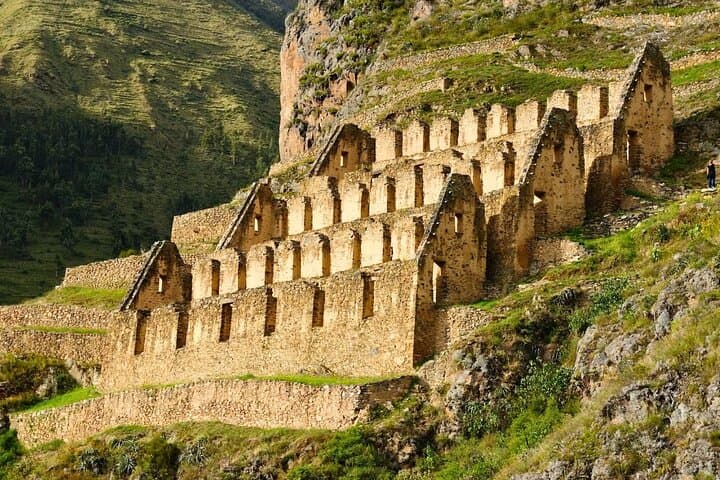
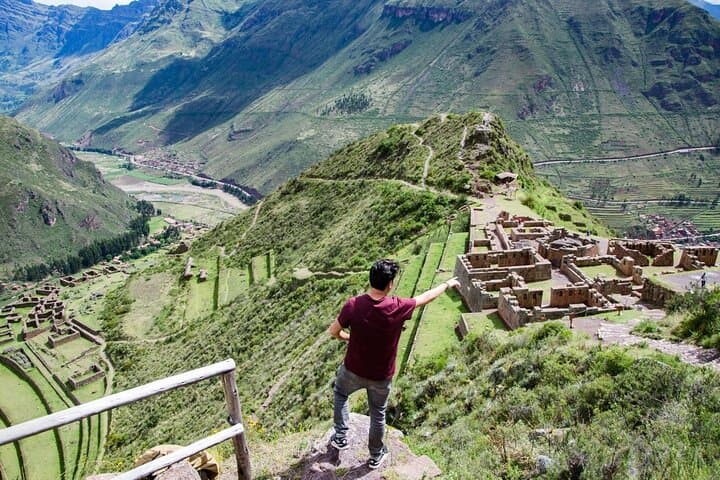
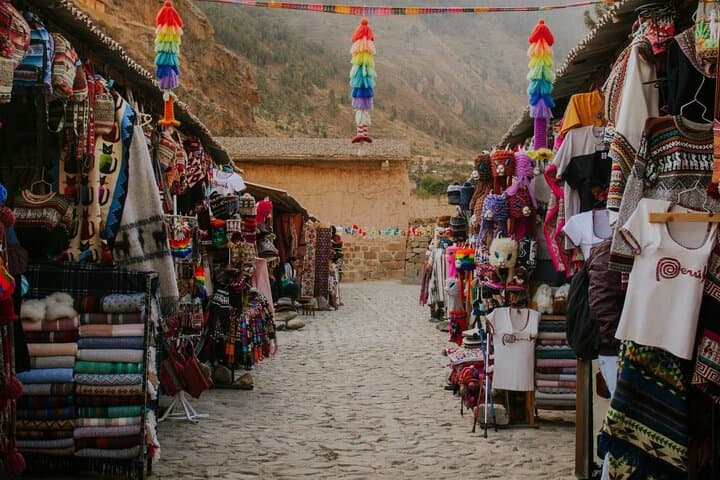
This route traces 15th-century Inca ingenuity — agricultural terraces, precise stonework and sites linked to Pachacutec’s expansion. Geologically, you walk granite slopes sculpted by river incision and uplift; botanically, moss and orchids cling to ancient masonry in the humid microclimate of the cloud forest. Local Quechua communities around Pisac and Ollantaytambo continue weaving and farming in ways that echo pre-Columbian practices.
Practical guide: the tour moves from Cusco (3,400 m) down into the Sacred Valley (~2,790 m) and to Machu Picchu (2,430 m). Expect 2 days of travel and hiking: moderate effort on uneven stone steps and steep switchbacks, plus train and bus transfers. Pack layered clothing, waterproofs for the wet season, sturdy boots for slippery steps, and at least 2 liters of water per day. Permit-limited Huayna Picchu requires advance booking if you want the summit view. Allow extra time for acclimatization in Cusco, and bring small bills for markets and tips. The itinerary balances cultural context, archaeological visits, and a focused trek that ends with the unforgettable sunrise over the citadel — an experience that rewards preparation and respect for fragile landscapes.
moderate.
2 days.
Moderate fitness: able to hike 2–4 hours on uneven stone steps and handle short steep sections while at moderate altitude.
The trail is moderate: expect uneven stone steps and switchbacks. Hiking time on trail sections is typically 2–4 hours depending on pace and stops.
Entrance to Machu Picchu is included in this tour; Huayna Picchu requires a separate, limited permit that should be booked well in advance if you plan to climb it.
Cusco sits above 3,300 m; the Sacred Valley is lower and Machu Picchu around 2,430 m. Altitude can affect some travelers—rest, hydrate, and avoid alcohol on arrival in Cusco.
The Peruvian sol is used locally; many guides speak Spanish and English, and Quechua is common in rural communities—carry small bills for markets and tips.
Machu Picchu was constructed in the 15th century during the reign of Pachacutec and later abandoned during the Spanish conquest; the Sacred Valley was the agricultural heartland supporting Inca expansion.
Visitor caps and guided routes aim to limit erosion and preserve fragile ruins—stay on marked paths, carry out waste, and support local guides and artisan communities.
Xplor Machu Picchu operates guided outdoor trips and adventures with an emphasis on safety, stewardship, and memorable experiences.
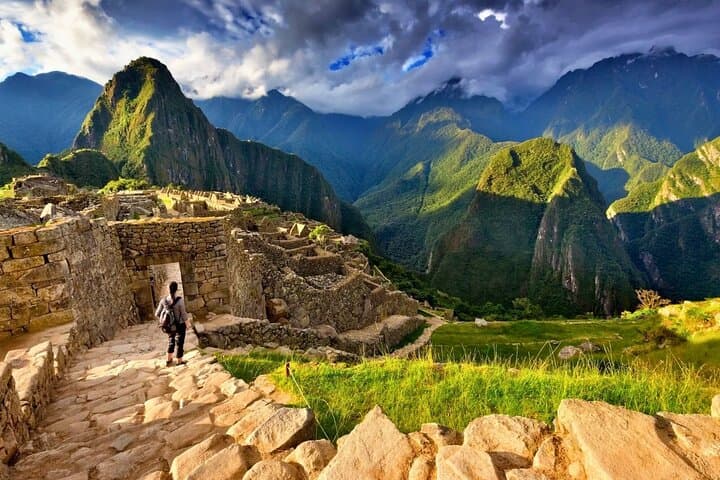
You step out of the bus into thin, clear air as the Sacred Valley unfolds: wind-creased terraces climbing toward jagged Andean ridges, the Urubamba River threading below like a silver dare. Daylight slants across stone stairways that Inca hands carved into the mountains; the Short Inca Trail leads you through cloud forest, past Chachabamba and Wiñay Wayna, and finally through the Sun Gate, where Machu Picchu first rises into view.
You step out of the bus into thin, clear air as the Sacred Valley unfolds: wind-creased terraces climbing toward jagged Andean ridges, the Urubamba River threading below like a silver dare. Daylight slants across stone stairways that Inca hands carved into the mountains; the Short Inca Trail leads you through cloud forest, past Chachabamba and Wiñay Wayna, and finally through the Sun Gate, where Machu Picchu first rises into view.
This route traces 15th-century Inca ingenuity — agricultural terraces, precise stonework and sites linked to Pachacutec’s expansion. Geologically, you walk granite slopes sculpted by river incision and uplift; botanically, moss and orchids cling to ancient masonry in the humid microclimate of the cloud forest. Local Quechua communities around Pisac and Ollantaytambo continue weaving and farming in ways that echo pre-Columbian practices.
Practical guide: the tour moves from Cusco (3,400 m) down into the Sacred Valley (~2,790 m) and to Machu Picchu (2,430 m). Expect 2 days of travel and hiking: moderate effort on uneven stone steps and steep switchbacks, plus train and bus transfers. Pack layered clothing, waterproofs for the wet season, sturdy boots for slippery steps, and at least 2 liters of water per day. Permit-limited Huayna Picchu requires advance booking if you want the summit view. Allow extra time for acclimatization in Cusco, and bring small bills for markets and tips. The itinerary balances cultural context, archaeological visits, and a focused trek that ends with the unforgettable sunrise over the citadel — an experience that rewards preparation and respect for fragile landscapes.