THE ADVENTURE COLLECTIVE® · Independent discovery and booking for outdoor travel

Move from Pisac’s colorful market and alpaca farms through Ollantaytambo’s fortress to a sunrise visit at Machu Picchu. This compact 2-day itinerary combines cultural immersion, engineered Inca terraces, and a dramatic rail approach to the citadel.
Move from Pisac’s colorful market and alpaca farms through Ollantaytambo’s fortress to a sunrise visit at Machu Picchu. This compact 2-day itinerary combines cultural immersion, engineered Inca terraces, and a dramatic rail approach to the citadel.
Dawn in Cusco begins with the high, dry clarity of Andean light—stone streets cool beneath your boots as a small coach pulls away toward the Sacred Valley. The road drops through terraces that cling to the mountainsides, and by mid-morning you’re face-to-face with soft-eyed alpacas at Awana Kancha, then threading through Pisac’s riotous market where woven colors and smoke from street food announce local life.
Verified experiences and guided adventures in the surrounding area.
Operated by Cosmo Expeditions · Cusco, Cusco Region
Dawn in Cusco begins with the high, dry clarity of Andean light—stone streets cool beneath your boots as a small coach pulls away toward the Sacred Valley. The road drops through terraces that cling to the mountainsides, and by mid-morning you’re face-to-face with soft-eyed alpacas at Awana Kancha, then threading through Pisac’s riotous market where woven colors and smoke from street food announce local life.
This two-day loop moves from living Quechua communities to the engineered precision of Inca masonry. Pisac’s agricultural terraces demonstrate centuries of water management; Ollantaytambo’s fortress shows how the Incas used geology—natural rock outcrops and steep slopes—to create defensible urban centers. The Urubamba River cuts the valley floor, its current pushing the landscape into a corridor of microclimates that fed the empire.
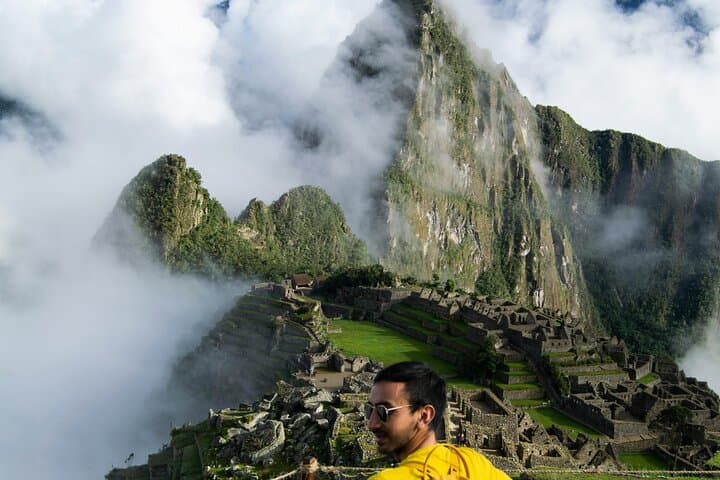
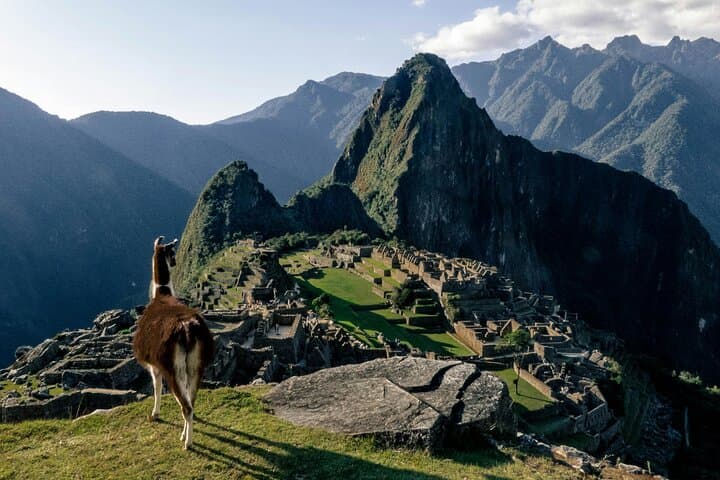
Cultural notes: expect Quechua-language vendors, textile demonstrations, and cuisine rooted in Andean tubers and quinoa. Aguas Calientes is a compact, humid gateway whose economy revolves around the citadel above. At Machu Picchu, stone streets, plazas, and temples reveal the Inca approach to astronomy and agriculture—arranged to work with the mountain and sky.
Practical guidance: acclimate in Cusco 24–48 hours if possible; climb and descend many stone steps at Machu Picchu, so bring grippy footwear. The schedule includes train travel and a morning bus to Machu Picchu—pack layers for a cool, windy morning that can turn to high sun. Hydration, sun protection, and a compact rain shell make the difference between a brisk hike and a slog. Reserve tickets and trains ahead—seats and daily Machu Picchu slots fill quickly.
moderate.
2 days.
Suitable for travelers with moderate fitness who can manage multiple hours of walking on uneven stone and stairs at altitude.
Yes—Cusco sits above 11,000 ft. Allow 24–48 hours to acclimate, drink plenty of fluids, avoid heavy alcohol, and consider altitude medication after consulting your doctor.
You’ll walk several kilometers over uneven stone streets and climb many steps; the guided portion lasts a few hours followed by optional self-exploration time.
Round-trip train tickets between Ollantaytambo and Aguas Calientes and the Machu Picchu entrance are included as stated, but verify your exact train class when booking.
Yes if participants can manage stairs and shorter hikes; notify organizers of mobility limitations so guides can adapt the pace.
The Sacred Valley was a core agricultural engine for the Inca state; key towns like Ollantaytambo defended routes into the heartland and preserve living Inca-era layouts.
Machu Picchu and the Sacred Valley face pressure from high visitor numbers—stick to marked paths, avoid single-use plastics, and support local guides and small businesses to help keep tourism sustainable.
Cosmo Expeditions operates guided outdoor trips and adventures with an emphasis on safety, stewardship, and memorable experiences.
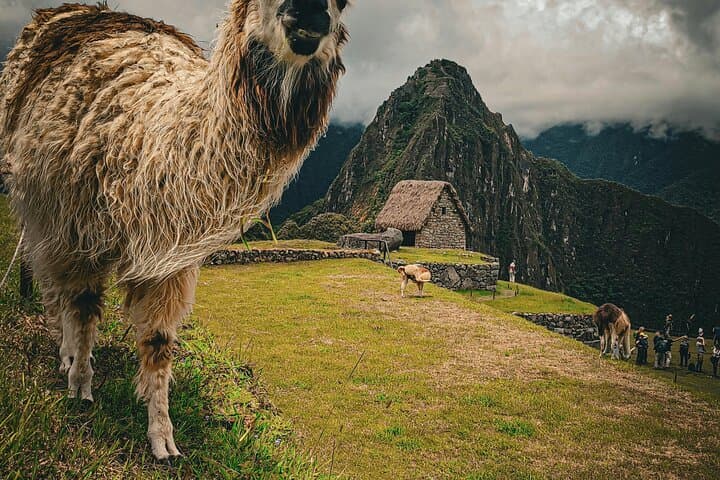
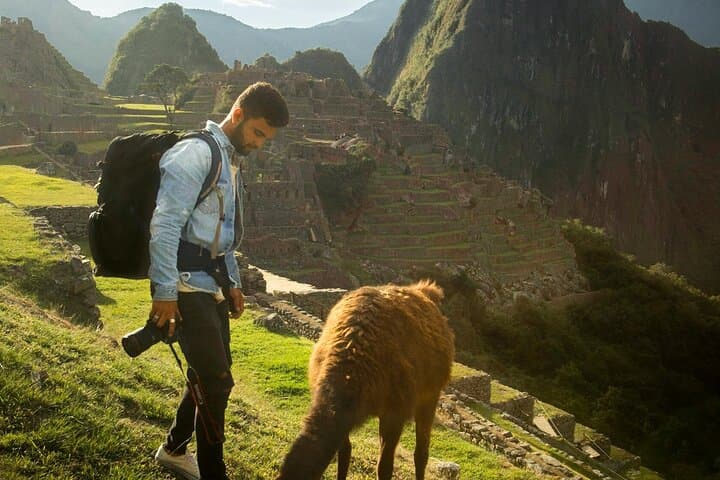
Dawn in Cusco begins with the high, dry clarity of Andean light—stone streets cool beneath your boots as a small coach pulls away toward the Sacred Valley. The road drops through terraces that cling to the mountainsides, and by mid-morning you’re face-to-face with soft-eyed alpacas at Awana Kancha, then threading through Pisac’s riotous market where woven colors and smoke from street food announce local life.
Dawn in Cusco begins with the high, dry clarity of Andean light—stone streets cool beneath your boots as a small coach pulls away toward the Sacred Valley. The road drops through terraces that cling to the mountainsides, and by mid-morning you’re face-to-face with soft-eyed alpacas at Awana Kancha, then threading through Pisac’s riotous market where woven colors and smoke from street food announce local life.
This two-day loop moves from living Quechua communities to the engineered precision of Inca masonry. Pisac’s agricultural terraces demonstrate centuries of water management; Ollantaytambo’s fortress shows how the Incas used geology—natural rock outcrops and steep slopes—to create defensible urban centers. The Urubamba River cuts the valley floor, its current pushing the landscape into a corridor of microclimates that fed the empire.
Cultural notes: expect Quechua-language vendors, textile demonstrations, and cuisine rooted in Andean tubers and quinoa. Aguas Calientes is a compact, humid gateway whose economy revolves around the citadel above. At Machu Picchu, stone streets, plazas, and temples reveal the Inca approach to astronomy and agriculture—arranged to work with the mountain and sky.
Practical guidance: acclimate in Cusco 24–48 hours if possible; climb and descend many stone steps at Machu Picchu, so bring grippy footwear. The schedule includes train travel and a morning bus to Machu Picchu—pack layers for a cool, windy morning that can turn to high sun. Hydration, sun protection, and a compact rain shell make the difference between a brisk hike and a slog. Reserve tickets and trains ahead—seats and daily Machu Picchu slots fill quickly.