THE ADVENTURE COLLECTIVE® · Independent discovery and booking for outdoor travel

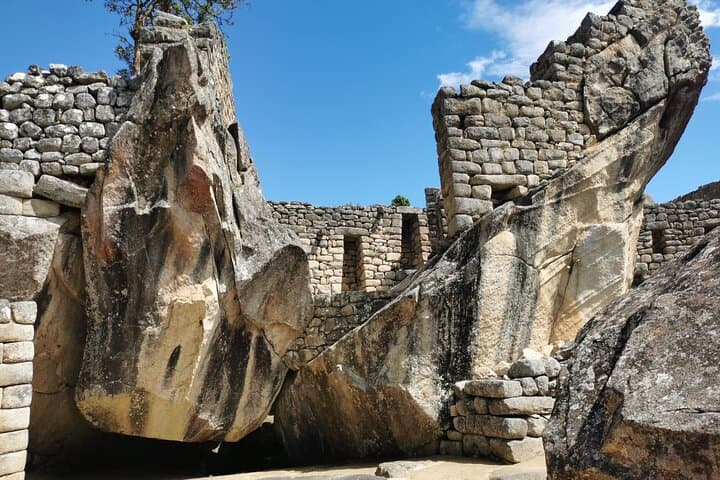
Two days of concentrated history and highland scenery—visit Chinchero, Moray, Maras, Ollantaytambo, and finish at Machu Picchu with a guided tour. Perfect if you want the Sacred Valley’s highlights with train travel to Aguas Calientes and an interpretive guide.
Two days of concentrated history and highland scenery—visit Chinchero, Moray, Maras, Ollantaytambo, and finish at Machu Picchu with a guided tour. Perfect if you want the Sacred Valley’s highlights with train travel to Aguas Calientes and an interpretive guide.
Book with Machupicchu Latin America
Book directly with Machupicchu Latin America for the best rates and real-time scheduling.
Reserve NowVerified experiences and guided adventures in the surrounding area.
Operated by Machupicchu Latin America · Cusco, Cusco Region
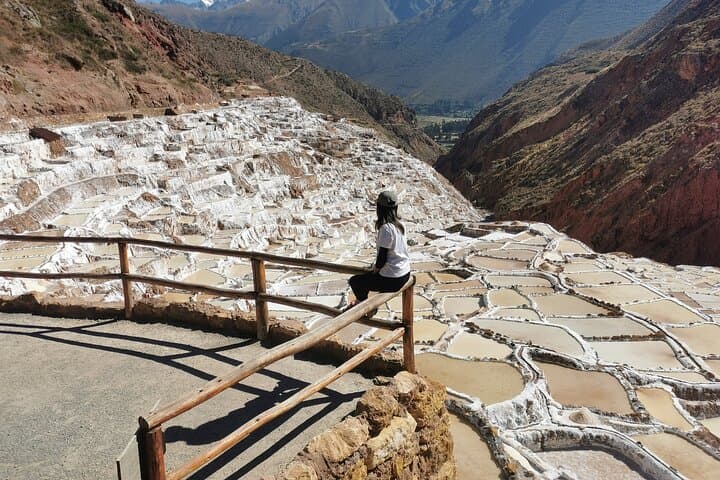
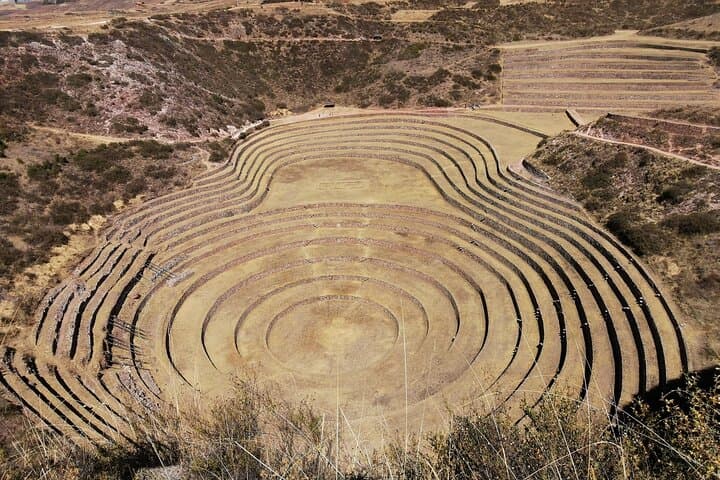
You step out of the van where thin air sharpens every color: terraced fields ripple away toward jagged peaks and the Vilcanota River threads the valley below. Day one winds through living Inca sites—Chinchero’s stone walls and weaving centers, the bowl-like test fields of Moray, and the salt pans at Maras that glint like a patchwork of tiny mirrors—before the train carries you along the river to Aguas Calientes for a night near the mountain.
moderate.
2 days (approx. 48 hours).
Should be comfortable walking 2–4 hours across uneven terrain and climbing stairs; altitude tolerance recommended.
Yes—Cusco is high altitude (≈3,400 m). Allow 24–48 hours to acclimatize, avoid heavy exertion, and hydrate to reduce the risk of altitude sickness.
Train tickets are included as noted by the operator based on your selected option; confirm your class and schedule when booking.
The guided visit covers about 2–3 hours on uneven stone and stairs; optional additional walking (e.g., Huayna Picchu) requires separate permits and more fitness.
Yes, but infants must sit on an adult’s lap per the operator’s policy; consider altitude and the length of travel when bringing young children.
The Sacred Valley was a food-production backbone for the Inca; sites like Moray functioned as experimental terraces to test crops at different microclimates, while Ollantaytambo served as a strategic administrative and religious center.
Tourism pressure has led to strict visitor limits at Machu Picchu and ongoing efforts to manage foot traffic and preserve archaeological structures; stick to paths and follow guide instructions to minimize impact.
Machupicchu Latin America operates guided outdoor trips and adventures with an emphasis on safety, stewardship, and memorable experiences.
Book with Machupicchu Latin America
Book directly with Machupicchu Latin America for the best rates and real-time scheduling.
Reserve Now