THE ADVENTURE COLLECTIVE® · Independent discovery and booking for outdoor travel

Two days of highland archaeology, winding trains and the crown jewel of Machu Picchu. This compact tour links Chinchero, Maras, Ollantaytambo and an early-morning visit to the citadel with one hotel night in Aguas Calientes.
Two days of highland archaeology, winding trains and the crown jewel of Machu Picchu. This compact tour links Chinchero, Maras, Ollantaytambo and an early-morning visit to the citadel with one hotel night in Aguas Calientes.
Morning light slices the Andean ridges as your transport climbs out of Cusco toward the Sacred Valley; terraces and stone walls guide the eye while the Urubamba River dares you to look deeper into the canyon.
Verified experiences and guided adventures in the surrounding area.
Operated by MACHUPICCHU TOURIST CONNECTION · Cusco, Cusco Region
Morning light slices the Andean ridges as your transport climbs out of Cusco toward the Sacred Valley; terraces and stone walls guide the eye while the Urubamba River dares you to look deeper into the canyon.
On day one this compact circuit threads Chinchero’s highland fields, the concentric agricultural bowls of Moray, the salt pans at Maras, and the living fortress of Ollantaytambo before the train drops you at Aguas Calientes for an overnight. Day two begins before dawn: a short bus ride up a steep switchback to Machu Picchu, then roughly 2½ hours with a guide among plazas, terraces, and Intihuatana stones.
This landscape is carved from Late Cretaceous and Tertiary volcanics, with steep flanks shaped by glacial and fluvial action; the Inca engineered farms and stonework to fit it. Local Quechua communities keep weaving and agricultural traditions alive, and Aguas Calientes acts as the service hub for travelers.
Practically: altitude is the defining factor — Cusco sits above 3,300 m and the route moves between 2,000–3,300 m — so hydrate, move deliberately, and plan for changing weather. Trains run on fixed schedules and often dictate timing; bring cash for small markets in Ollantaytambo and Aguas Calientes. Footing at Machu Picchu ranges from paved terraces to loose stone paths; allow time for photos and quiet moments.
Expect early starts, a mix of guided interpretation and free time in Aguas Calientes, and an itinerary tightly tied to train availability. The reward is concentrated: dramatic Andean views, human-scaled archaeology, and a clear sense of how landscape and culture continue to shape one another.
moderate.
2 days.
Moderate fitness recommended due to high altitude and several hours of walking over uneven terrain
Yes—entrance quotas are strictly enforced; book tickets and train seats well before travel, especially in high season.
Yes—you typically have afternoon and some free time after arrival to visit the local hot springs or markets before next-day ascent.
Altitude affects people differently; plan acclimatization, hydrate, avoid alcohol, and consider medication if prone to symptoms.
The itinerary commonly includes a buffet lunch in the Sacred Valley and lunch in Aguas Calientes, but confirm specifics with the operator before booking.
The Sacred Valley was a core agricultural and ceremonial region for the Inca Empire; many terraces and stoneworks date to their intensive landscape engineering.
Visitor numbers and trail wear are persistent concerns—stay on marked paths, avoid single-use plastics, and respect local sites and communities.
MACHUPICCHU TOURIST CONNECTION operates guided outdoor trips and adventures with an emphasis on safety, stewardship, and memorable experiences.
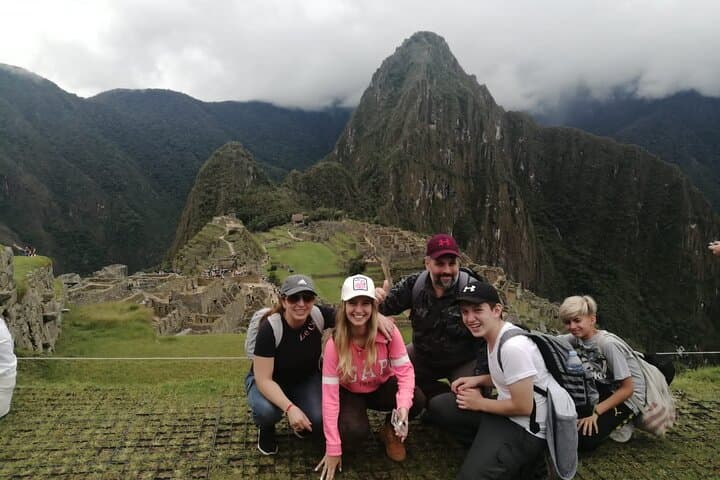
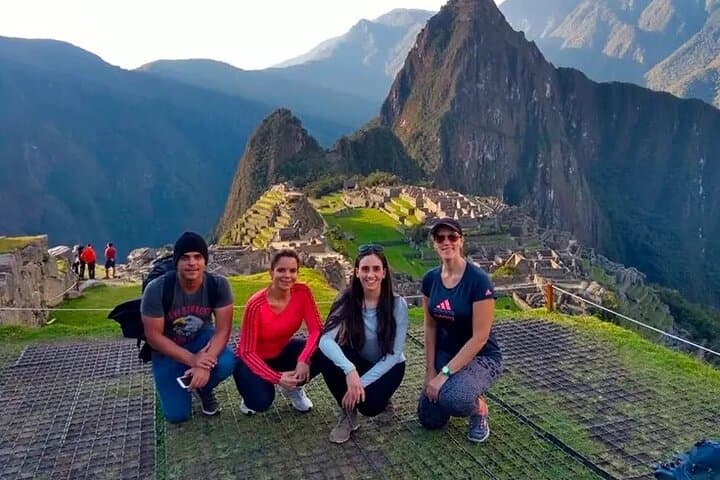
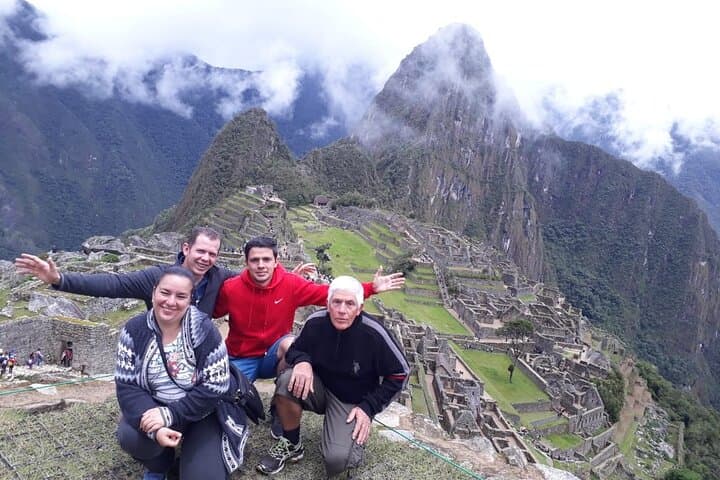
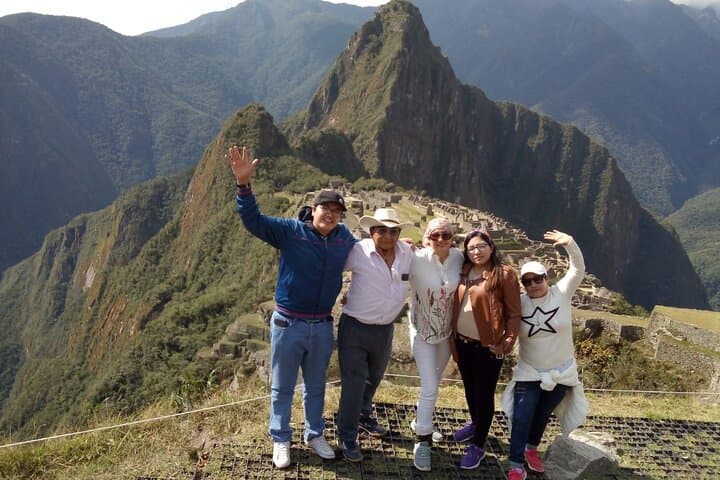
Morning light slices the Andean ridges as your transport climbs out of Cusco toward the Sacred Valley; terraces and stone walls guide the eye while the Urubamba River dares you to look deeper into the canyon.
Morning light slices the Andean ridges as your transport climbs out of Cusco toward the Sacred Valley; terraces and stone walls guide the eye while the Urubamba River dares you to look deeper into the canyon.
On day one this compact circuit threads Chinchero’s highland fields, the concentric agricultural bowls of Moray, the salt pans at Maras, and the living fortress of Ollantaytambo before the train drops you at Aguas Calientes for an overnight. Day two begins before dawn: a short bus ride up a steep switchback to Machu Picchu, then roughly 2½ hours with a guide among plazas, terraces, and Intihuatana stones.
This landscape is carved from Late Cretaceous and Tertiary volcanics, with steep flanks shaped by glacial and fluvial action; the Inca engineered farms and stonework to fit it. Local Quechua communities keep weaving and agricultural traditions alive, and Aguas Calientes acts as the service hub for travelers.
Practically: altitude is the defining factor — Cusco sits above 3,300 m and the route moves between 2,000–3,300 m — so hydrate, move deliberately, and plan for changing weather. Trains run on fixed schedules and often dictate timing; bring cash for small markets in Ollantaytambo and Aguas Calientes. Footing at Machu Picchu ranges from paved terraces to loose stone paths; allow time for photos and quiet moments.
Expect early starts, a mix of guided interpretation and free time in Aguas Calientes, and an itinerary tightly tied to train availability. The reward is concentrated: dramatic Andean views, human-scaled archaeology, and a clear sense of how landscape and culture continue to shape one another.