THE ADVENTURE COLLECTIVE® · Independent discovery and booking for outdoor travel

A compact, two-day loop through Cusco and the Sacred Valley that pairs major Inca sites with living Andean culture. Expect high-altitude walking, textile workshops, terraced ruins and the ancient salt pans at Maras.
A compact, two-day loop through Cusco and the Sacred Valley that pairs major Inca sites with living Andean culture. Expect high-altitude walking, textile workshops, terraced ruins and the ancient salt pans at Maras.
You step out into thin, high air as the city of Cusco shrinks behind you and the Andes open like a page of folded stone. On day one the tour threads through temple terraces, massive fitted walls and high-altitude springs—Qoricancha and Sacsayhuamán set a tone of engineering and ritual that still shapes local life.
Verified experiences and guided adventures in the surrounding area.
Operated by Yacu Expeditions · Cusco, Cusco
You step out into thin, high air as the city of Cusco shrinks behind you and the Andes open like a page of folded stone. On day one the tour threads through temple terraces, massive fitted walls and high-altitude springs—Qoricancha and Sacsayhuamán set a tone of engineering and ritual that still shapes local life.
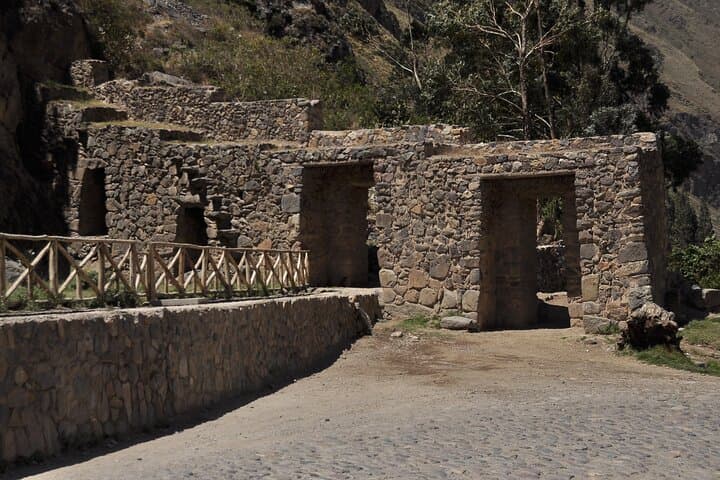
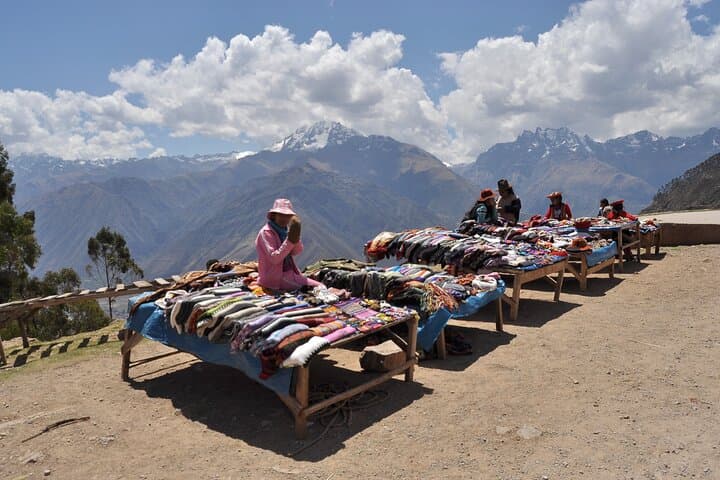
The second day moves through the Sacred Valley’s agricultural stage: Moray’s concentric terraces—an Inca laboratory for microclimates—and the glittering pans of Maras, where salt still flows from mountain springs. Sites like Ollantaytambo and Pisac pair military architecture with communal markets and a living textile tradition; you'll meet local weavers and see techniques passed down from pre-Columbian times. Geologically, the valley is volcanic and fluvial—steep-sided canyons carved by rivers, terraced by hands over centuries. Culturally, the Quechua-speaking communities keep ceremonies, textiles and salt-extraction methods visible and active.
Practically: this is a two-day, coach-supported loop with walking at archaeological sites and short hikes at altitude (Cusco ~3,400 m; highest stops ~3,800 m). Expect multiple short walks over uneven stonework and dusty trails, intermittent vehicle transfers of 30–90 minutes, and simple buffet lunch in Urubamba. Bring layered clothing for large daytime swings, sturdy shoes, sun protection and cash for small purchases at markets and the Maras parking area. Acclimatize in Cusco a day if possible; move deliberately, hydrate and give your body time to meet the mountains.
moderate.
2 days (approx.).
Moderate fitness—able to walk 30–90 minutes at a time on uneven terrain and tolerate high altitude.
Daily activity includes multiple short walks of 30–60 minutes at archaeological sites, with vehicle transfers in between; nothing requires technical hiking ability.
Admission to listed archaeological centers is included in the tour as stated, but small local fees or market purchases are not covered.
Not recommended for people with serious cardiovascular issues; those concerned should allow extra days to acclimatize in Cusco and consult a doctor beforehand.
Lunch is included (buffet in Urubamba on day two); bring snacks for long transfers or personal dietary needs.
The route traces Inca administrative and agricultural ingenuity—Qoricancha was a religious center, Moray served as an experimental crop station and Ollantaytambo was both a fortress and living town since Inca times.
Visitors should stick to paths, avoid feeding wildlife and support local craft cooperatives to ensure tourism benefits communities and reduces pressure on fragile sites.
Yacu Expeditions operates guided outdoor trips and adventures with an emphasis on safety, stewardship, and memorable experiences.


You step out into thin, high air as the city of Cusco shrinks behind you and the Andes open like a page of folded stone. On day one the tour threads through temple terraces, massive fitted walls and high-altitude springs—Qoricancha and Sacsayhuamán set a tone of engineering and ritual that still shapes local life.
You step out into thin, high air as the city of Cusco shrinks behind you and the Andes open like a page of folded stone. On day one the tour threads through temple terraces, massive fitted walls and high-altitude springs—Qoricancha and Sacsayhuamán set a tone of engineering and ritual that still shapes local life.
The second day moves through the Sacred Valley’s agricultural stage: Moray’s concentric terraces—an Inca laboratory for microclimates—and the glittering pans of Maras, where salt still flows from mountain springs. Sites like Ollantaytambo and Pisac pair military architecture with communal markets and a living textile tradition; you'll meet local weavers and see techniques passed down from pre-Columbian times. Geologically, the valley is volcanic and fluvial—steep-sided canyons carved by rivers, terraced by hands over centuries. Culturally, the Quechua-speaking communities keep ceremonies, textiles and salt-extraction methods visible and active.
Practically: this is a two-day, coach-supported loop with walking at archaeological sites and short hikes at altitude (Cusco ~3,400 m; highest stops ~3,800 m). Expect multiple short walks over uneven stonework and dusty trails, intermittent vehicle transfers of 30–90 minutes, and simple buffet lunch in Urubamba. Bring layered clothing for large daytime swings, sturdy shoes, sun protection and cash for small purchases at markets and the Maras parking area. Acclimatize in Cusco a day if possible; move deliberately, hydrate and give your body time to meet the mountains.