THE ADVENTURE COLLECTIVE® · Independent discovery and booking for outdoor travel

Two days of Andean landscapes, living Quechua culture, and a sunrise visit to Machu Picchu. This small-group tour links Chinchero, Moray, Maras, and Ollantaytambo with an overnight in Aguas Calientes and an early guided entry to the citadel.
Two days of Andean landscapes, living Quechua culture, and a sunrise visit to Machu Picchu. This small-group tour links Chinchero, Moray, Maras, and Ollantaytambo with an overnight in Aguas Calientes and an early guided entry to the citadel.
Dawn in the Sacred Valley arrives cold and sharp; the Andes push light across terraces and the Urubamba River cuts a steady line through the valley below. On this two-day loop from Cusco, travelers move from highland markets and living weaving traditions to the stone precision of the Inca citadel at Machu Picchu.
Verified experiences and guided adventures in the surrounding area.
Operated by FLY CUSCO Perú Travel Agency · Cusco, Cusco Region
Dawn in the Sacred Valley arrives cold and sharp; the Andes push light across terraces and the Urubamba River cuts a steady line through the valley below. On this two-day loop from Cusco, travelers move from highland markets and living weaving traditions to the stone precision of the Inca citadel at Machu Picchu.
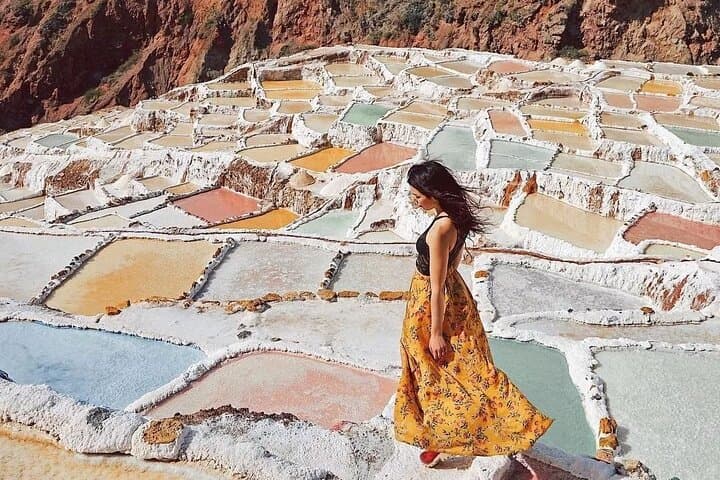
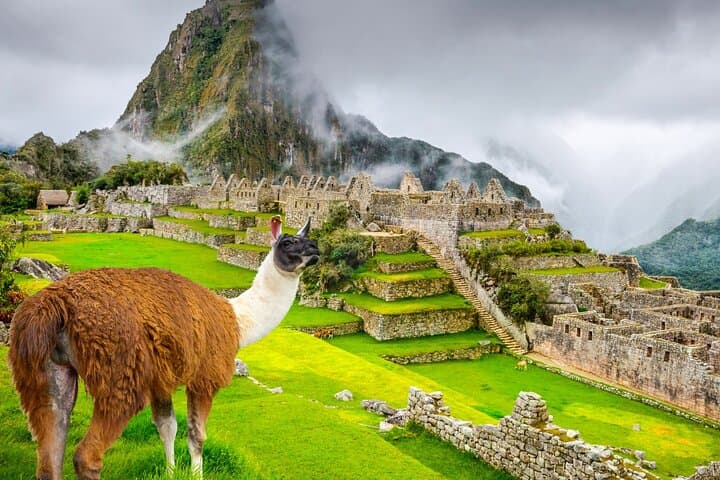
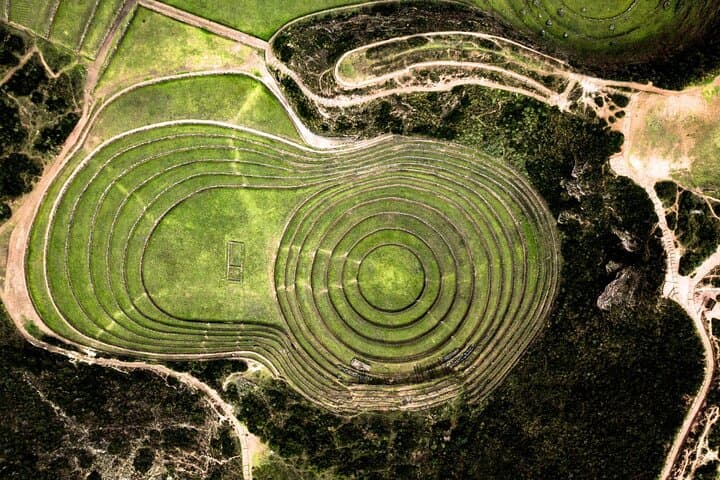
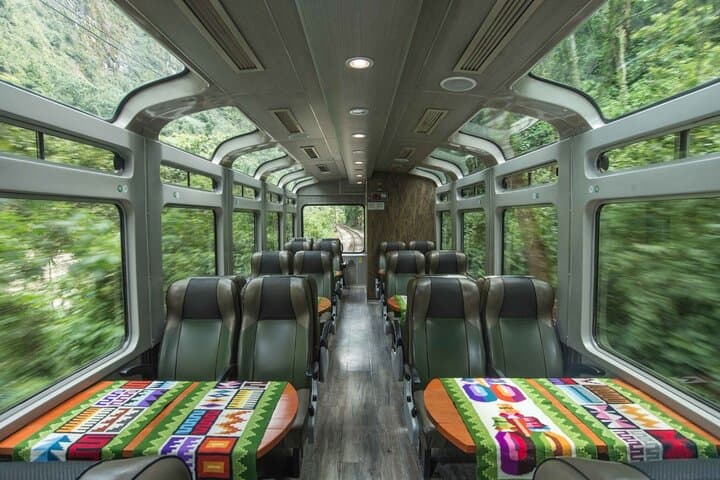
The route threads through Chinchero’s weavers and alpacas, drops into Moray’s concentric agricultural bowls—an Inca experimental field that highlights Andean microclimates—and fans out across the white geometric grids of the Maras salt pans. Ollantaytambo holds massive carved blocks and stepped terraces that once controlled access to the eastern approaches; from its train station the journey descends by rail into the cloud-touching town of Aguas Calientes and the sanctuary of Machu Picchu at about 2,430 m.
Geology here is active: folded volcanic and sedimentary rock uplifted by the Andean orogeny and sliced by river erosion produce dramatic steep valleys and narrow transport corridors. Culturally, the valley remains a living landscape—Quechua-speaking communities, traditional dyeing and textiles, and markets where techniques endure.
Practicalities matter: bring your passport (required for tickets), allow time to acclimatize in Cusco (3,400 m), and expect uneven stone stairways at Machu Picchu. Trains from Ollantaytambo to Aguas Calientes run about 1 hour 45 minutes; Machu Picchu visits are scheduled in hourly entry shifts—early morning slots are best for light and crowds. Pack layered clothing, sturdy shoes, rain protection in the wet season (Dec–Mar), and a small daypack for water and snacks. With modest fitness and preparation for altitude, this two-day combination of culture, rail travel, and archeology is concise, memorable, and logistically straightforward.
moderate.
2 days.
Light to moderate: must be able to walk 2–4 hours total on uneven terrain and climb stone steps at altitude.
Yes—Machu Picchu tickets are issued using passport details, so bring the same passport you provided at booking.
The tour includes uneven stone paths and many stairs; it is not recommended for those with significant mobility limitations without prior discussion of accessibility options.
Breakfast on day two and a buffet lunch in the Sacred Valley are included; lunch in Aguas Calientes on the second day is not included.
Huayna Picchu requires a separate, limited ticket and is not included—book well in advance if you want to add it.
The Sacred Valley was an agricultural and administrative heartland for the Incas; sites like Moray and Ollantaytambo illustrate pre-Columbian engineering and land management.
Visitor numbers at Machu Picchu are regulated with timed entry to protect fragile stonework and native vegetation; stick to marked paths and carry out waste to minimize impact.
FLY CUSCO Perú Travel Agency operates guided outdoor trips and adventures with an emphasis on safety, stewardship, and memorable experiences.
Dawn in the Sacred Valley arrives cold and sharp; the Andes push light across terraces and the Urubamba River cuts a steady line through the valley below. On this two-day loop from Cusco, travelers move from highland markets and living weaving traditions to the stone precision of the Inca citadel at Machu Picchu.
Dawn in the Sacred Valley arrives cold and sharp; the Andes push light across terraces and the Urubamba River cuts a steady line through the valley below. On this two-day loop from Cusco, travelers move from highland markets and living weaving traditions to the stone precision of the Inca citadel at Machu Picchu.
The route threads through Chinchero’s weavers and alpacas, drops into Moray’s concentric agricultural bowls—an Inca experimental field that highlights Andean microclimates—and fans out across the white geometric grids of the Maras salt pans. Ollantaytambo holds massive carved blocks and stepped terraces that once controlled access to the eastern approaches; from its train station the journey descends by rail into the cloud-touching town of Aguas Calientes and the sanctuary of Machu Picchu at about 2,430 m.
Geology here is active: folded volcanic and sedimentary rock uplifted by the Andean orogeny and sliced by river erosion produce dramatic steep valleys and narrow transport corridors. Culturally, the valley remains a living landscape—Quechua-speaking communities, traditional dyeing and textiles, and markets where techniques endure.
Practicalities matter: bring your passport (required for tickets), allow time to acclimatize in Cusco (3,400 m), and expect uneven stone stairways at Machu Picchu. Trains from Ollantaytambo to Aguas Calientes run about 1 hour 45 minutes; Machu Picchu visits are scheduled in hourly entry shifts—early morning slots are best for light and crowds. Pack layered clothing, sturdy shoes, rain protection in the wet season (Dec–Mar), and a small daypack for water and snacks. With modest fitness and preparation for altitude, this two-day combination of culture, rail travel, and archeology is concise, memorable, and logistically straightforward.