THE ADVENTURE COLLECTIVE® · Independent discovery and booking for outdoor travel

Two days of high‑altitude history and jaw‑dropping views: explore Chinchero, Moray and the salt pans of Maras, then rise early to watch Machu Picchu glow at dawn. This compact, guided itinerary pairs local insight with seamless logistics for a stress‑free Andean adventure.
Two days of high‑altitude history and jaw‑dropping views: explore Chinchero, Moray and the salt pans of Maras, then rise early to watch Machu Picchu glow at dawn. This compact, guided itinerary pairs local insight with seamless logistics for a stress‑free Andean adventure.
You step off the early train into a town carved by mist and river noise, the Andes closing in like an amphitheater. Day one moves through sun-streaked terraces and salt ponds—Chinchero’s living textile tradition, Moray’s concentric agricultural labs, and the geometric salt pans of Maras—each site a practical experiment in high‑altitude survival. By evening the rail winds down to Aguas Calientes; you sleep with the citadel on your mind.
Verified experiences and guided adventures in the surrounding area.
Operated by Travel Peru Agency · Cusco, Cusco Region
You step off the early train into a town carved by mist and river noise, the Andes closing in like an amphitheater. Day one moves through sun-streaked terraces and salt ponds—Chinchero’s living textile tradition, Moray’s concentric agricultural labs, and the geometric salt pans of Maras—each site a practical experiment in high‑altitude survival. By evening the rail winds down to Aguas Calientes; you sleep with the citadel on your mind.
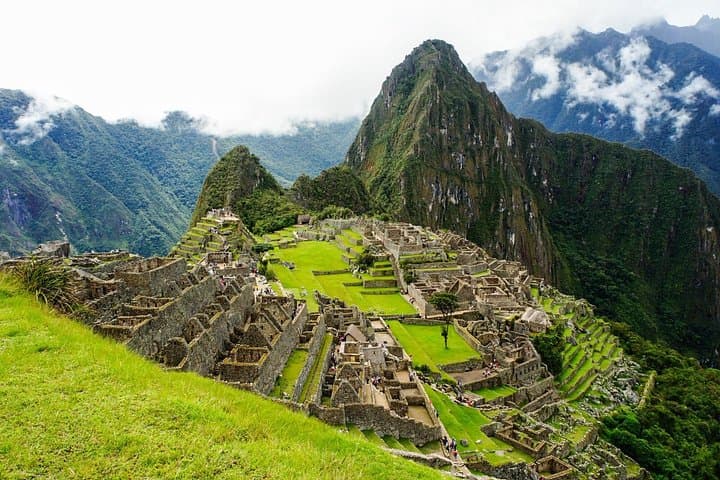
The second day begins before most hotels stir: a short bus climb and the first glimpse of Machu Picchu as light slices across terraces and carved stone. The citadel is both engineering and cosmology—finely cut granite, water channels that still drain perfectly, and platforms aligned with mountain ridgelines. Geologically the site sits where Andean uplift meets humid cloud forest; soils and microclimates shaped ancient crop testing and modern conservation.
Expect cobbled steps, steep staircases and thin air—altitude is a factor from Cusco (3,400 m) down to Aguas Calientes (~2,040 m) and Machu Picchu (~2,430 m). Practical tips: pace your ascent, carry water, use sun protection, and wear grippy shoes for wet stone. Guides cover history and routing; trains and buses are included in this itinerary, which compresses long travel into two intense days.
This tour pairs cultural immersion with accessible logistics: private transport in the Sacred Valley, an overnight in Aguas Calientes, and a guided morning at Machu Picchu—ideal for travelers who want the highlights without multi‑day trekking. Respect site rules, plan for sudden weather, and leave time to simply watch the clouds rearrange the mountains.
moderate.
2 days.
Suitable for travelers in average fitness; involves walking on uneven stone, stairs and short climbs at altitude—basic cardio and mobility recommended.
The tour is marked ‘physical easy’ for general fitness, but it involves walking on uneven surfaces and stairs at altitude; basic mobility and light cardiovascular fitness are sufficient.
Yes—entrance to Machu Picchu, bus transfers from Aguas Calientes and the return trains are included and handled by the operator once your booking is confirmed.
Infants can join but must sit on an adult’s lap for transport; ensure you bring appropriate care items and check age restrictions for archaeological access.
Weather can change quickly—cloud, rain and sun are all possible in one day; the tour runs in most conditions, but bring waterproof layers and plan for muddy paths.
The Sacred Valley was a core agricultural and administrative region of the Inca Empire; sites like Moray and Ollantaytambo reveal sophisticated farming and stonework dating to the 15th century.
Machu Picchu and the surrounding sanctuary have strict visitor limits and trail rules to protect fragile soils and archaeological features—stick to marked paths and follow guide instructions.
Travel Peru Agency operates guided outdoor trips and adventures with an emphasis on safety, stewardship, and memorable experiences.
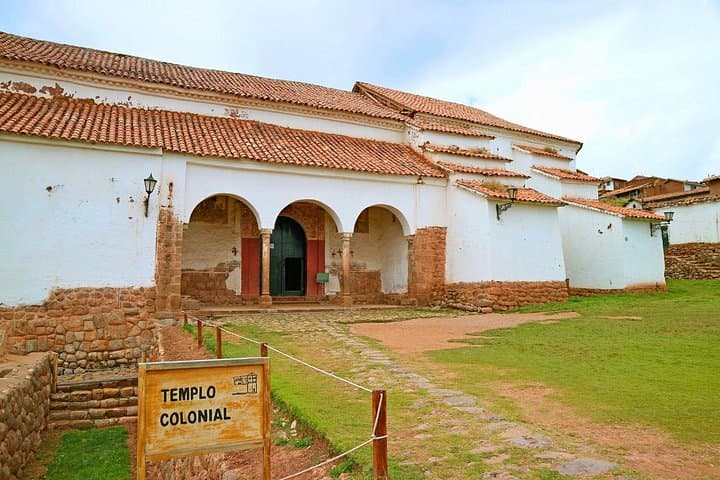
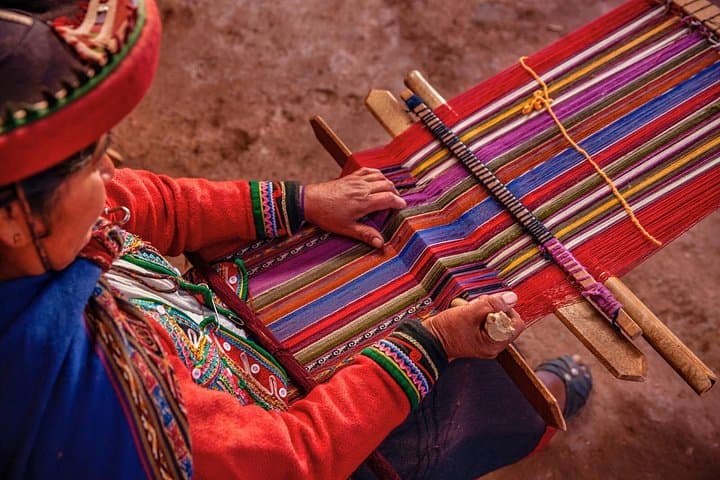
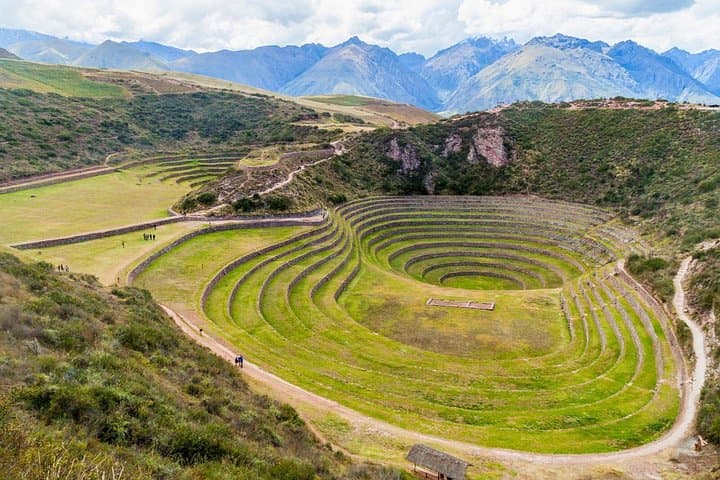
You step off the early train into a town carved by mist and river noise, the Andes closing in like an amphitheater. Day one moves through sun-streaked terraces and salt ponds—Chinchero’s living textile tradition, Moray’s concentric agricultural labs, and the geometric salt pans of Maras—each site a practical experiment in high‑altitude survival. By evening the rail winds down to Aguas Calientes; you sleep with the citadel on your mind.
You step off the early train into a town carved by mist and river noise, the Andes closing in like an amphitheater. Day one moves through sun-streaked terraces and salt ponds—Chinchero’s living textile tradition, Moray’s concentric agricultural labs, and the geometric salt pans of Maras—each site a practical experiment in high‑altitude survival. By evening the rail winds down to Aguas Calientes; you sleep with the citadel on your mind.
The second day begins before most hotels stir: a short bus climb and the first glimpse of Machu Picchu as light slices across terraces and carved stone. The citadel is both engineering and cosmology—finely cut granite, water channels that still drain perfectly, and platforms aligned with mountain ridgelines. Geologically the site sits where Andean uplift meets humid cloud forest; soils and microclimates shaped ancient crop testing and modern conservation.
Expect cobbled steps, steep staircases and thin air—altitude is a factor from Cusco (3,400 m) down to Aguas Calientes (~2,040 m) and Machu Picchu (~2,430 m). Practical tips: pace your ascent, carry water, use sun protection, and wear grippy shoes for wet stone. Guides cover history and routing; trains and buses are included in this itinerary, which compresses long travel into two intense days.
This tour pairs cultural immersion with accessible logistics: private transport in the Sacred Valley, an overnight in Aguas Calientes, and a guided morning at Machu Picchu—ideal for travelers who want the highlights without multi‑day trekking. Respect site rules, plan for sudden weather, and leave time to simply watch the clouds rearrange the mountains.