THE ADVENTURE COLLECTIVE® · Independent discovery and booking for outdoor travel

A compact two-day loop from Cusco through Pisac, Urubamba and Ollantaytambo to Machu Picchu. Expect guided archaeological walks, train transfers, and altitude-aware pacing.
A compact two-day loop from Cusco through Pisac, Urubamba and Ollantaytambo to Machu Picchu. Expect guided archaeological walks, train transfers, and altitude-aware pacing.
Morning light strips the peaks of the Andes and the van climbs out of Cusco toward a valley once reserved for Inca elites. Stones hum with age at Pisac’s terraces, where farmers still coax potatoes from thin soil, and the market’s silverwork carries centuries of craft. By noon the valley widens into Urubamba; lunch is a fuel stop before the megaliths of Ollantaytambo rise like a deliberate puzzle of sun-facing terraces.
Verified experiences and guided adventures in the surrounding area.
Operated by Yacu Expeditions · Cusco, Cusco Region
Morning light strips the peaks of the Andes and the van climbs out of Cusco toward a valley once reserved for Inca elites. Stones hum with age at Pisac’s terraces, where farmers still coax potatoes from thin soil, and the market’s silverwork carries centuries of craft. By noon the valley widens into Urubamba; lunch is a fuel stop before the megaliths of Ollantaytambo rise like a deliberate puzzle of sun-facing terraces.
This two-day loop threads Inca urban planning, colonial towns, and the steep-sided gorge that funnels the Urubamba River toward Machu Picchu. Geologically the range is young and uplifted, with granite and volcanic intrusions sculpted by glacial and fluvial erosion; culturally the valley was the Inca’s agricultural heartland and ritual corridor to the citadel above Aguas Calientes.
Expect guided walks through archaeological sectors (short, steep stairways and uneven stone paths), two hours of structured touring at Machu Picchu, then two hours of free time to explore the citadel on foot. Altitude (3,400–2,430 m) dictates a measured pace; the air thins and the sun intensifies.
Practical tips: carry water, sun protection, and layered clothing for quick weather shifts. Train segments connect Ollantaytambo and Aguas Calientes; transfers and a one-night hotel in town are included. Bring passport and your paper ticket, and be ready for narrow bus roads up to the citadel.
This itinerary condenses big cultural sites into a compact two-day adventure — rich in history, geometric stonework, and open highland scenery — requiring moderate fitness and attention to altitude and weather.
moderate.
2 days (approx. 48 hours total; 6–10 active hours per day).
Moderate — able to walk uneven stone paths, climb stairs, and handle several hours of sightseeing at altitude
Yes — your passport is required for Machu Picchu entry and should match the booking information.
The guided portion is moderate with stairs and uneven stone; additional independent exploring can be more demanding depending on routes taken.
Yes — round-trip train segments between Ollantaytambo and Aguas Calientes are included in the itinerary.
Yes — Aguas Calientes has cafes and restaurants; lunch on the Machu Picchu day is not included so bring cash or card.
The Sacred Valley was the Inca heartland for agriculture and ritual; Ollantaytambo served as a strategic fortress and living city that still bears its original urban layout.
Visitor limits and time slots at Machu Picchu help protect fragile ruins; follow marked paths, avoid touching stones, and use established waste disposal to minimize impact.
Yacu Expeditions operates guided outdoor trips and adventures with an emphasis on safety, stewardship, and memorable experiences.
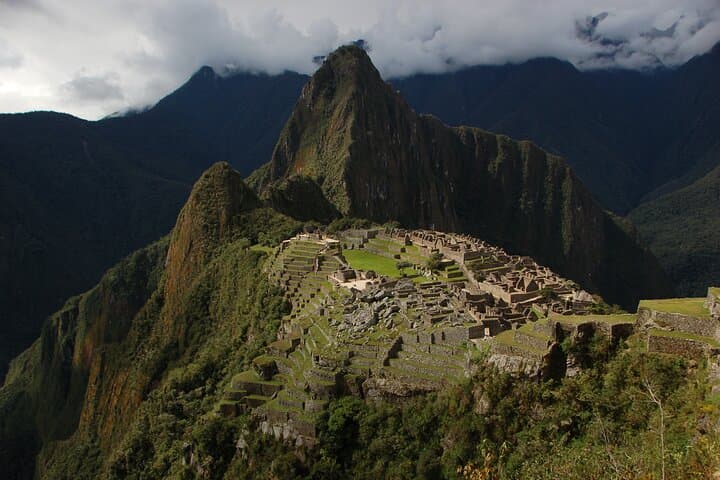


Morning light strips the peaks of the Andes and the van climbs out of Cusco toward a valley once reserved for Inca elites. Stones hum with age at Pisac’s terraces, where farmers still coax potatoes from thin soil, and the market’s silverwork carries centuries of craft. By noon the valley widens into Urubamba; lunch is a fuel stop before the megaliths of Ollantaytambo rise like a deliberate puzzle of sun-facing terraces.
Morning light strips the peaks of the Andes and the van climbs out of Cusco toward a valley once reserved for Inca elites. Stones hum with age at Pisac’s terraces, where farmers still coax potatoes from thin soil, and the market’s silverwork carries centuries of craft. By noon the valley widens into Urubamba; lunch is a fuel stop before the megaliths of Ollantaytambo rise like a deliberate puzzle of sun-facing terraces.
This two-day loop threads Inca urban planning, colonial towns, and the steep-sided gorge that funnels the Urubamba River toward Machu Picchu. Geologically the range is young and uplifted, with granite and volcanic intrusions sculpted by glacial and fluvial erosion; culturally the valley was the Inca’s agricultural heartland and ritual corridor to the citadel above Aguas Calientes.
Expect guided walks through archaeological sectors (short, steep stairways and uneven stone paths), two hours of structured touring at Machu Picchu, then two hours of free time to explore the citadel on foot. Altitude (3,400–2,430 m) dictates a measured pace; the air thins and the sun intensifies.
Practical tips: carry water, sun protection, and layered clothing for quick weather shifts. Train segments connect Ollantaytambo and Aguas Calientes; transfers and a one-night hotel in town are included. Bring passport and your paper ticket, and be ready for narrow bus roads up to the citadel.
This itinerary condenses big cultural sites into a compact two-day adventure — rich in history, geometric stonework, and open highland scenery — requiring moderate fitness and attention to altitude and weather.