THE ADVENTURE COLLECTIVE® · Independent discovery and booking for outdoor travel

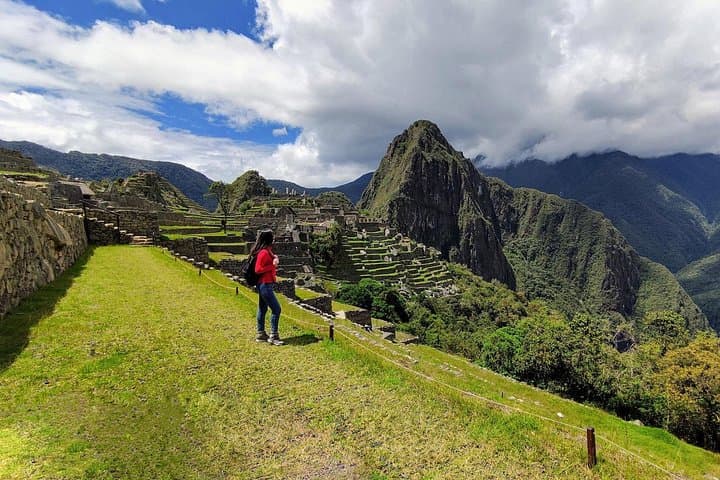
Explore Pisaq, Ollantaytambo and the citadel of Machu Picchu on a compact 2-day loop from Cusco. This guided tour bundles transport, tickets and a night in Aguas Calientes for a focused, hassle-free visit.
Explore Pisaq, Ollantaytambo and the citadel of Machu Picchu on a compact 2-day loop from Cusco. This guided tour bundles transport, tickets and a night in Aguas Calientes for a focused, hassle-free visit.
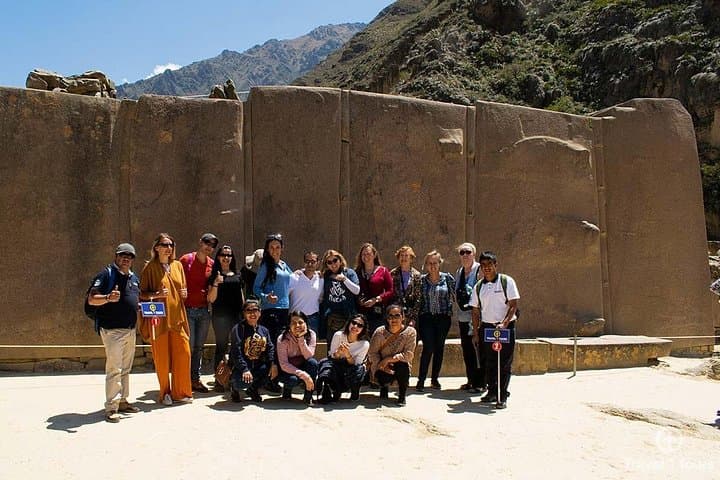
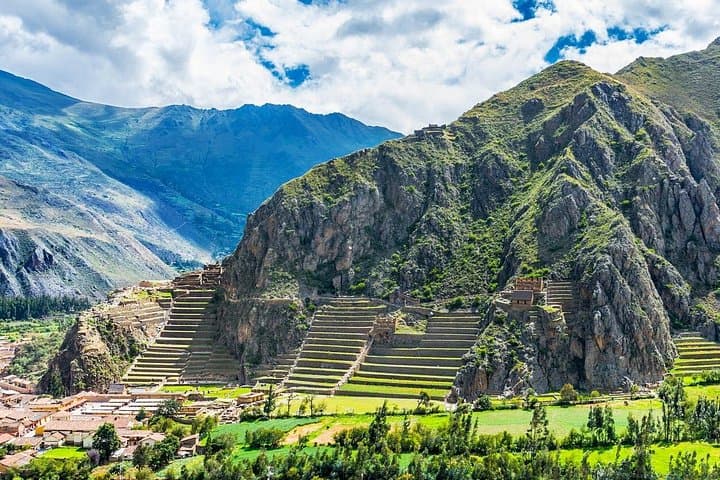
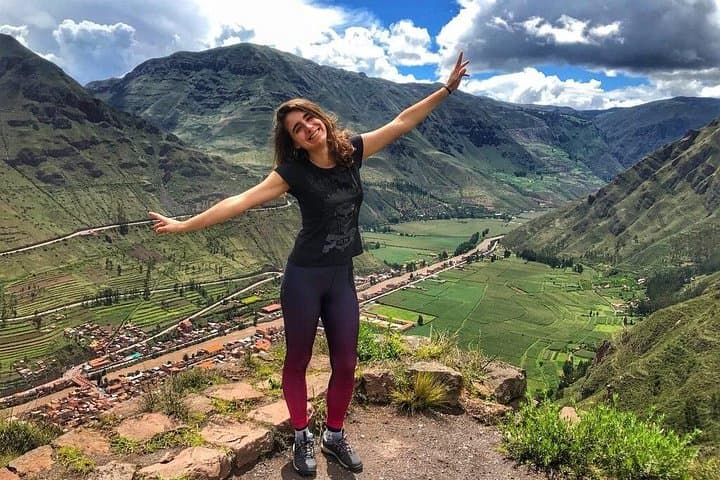
You step off the early-morning transfer into thin, cool air and the Sacred Valley opens: ochre terraces climbing steep hills, stone staircases scarred by centuries of foot traffic, and a river that seems to hurry the day along. The first day follows Inca roads between Pisaq, Urubamba and Ollantaytambo—sites where sunlight sketches the contours of the Temple of the Sun and the Intihuatana.
Verified experiences and guided adventures in the surrounding area.
Operated by Business Woman Cusco · Cusco, Cusco
You step off the early-morning transfer into thin, cool air and the Sacred Valley opens: ochre terraces climbing steep hills, stone staircases scarred by centuries of foot traffic, and a river that seems to hurry the day along. The first day follows Inca roads between Pisaq, Urubamba and Ollantaytambo—sites where sunlight sketches the contours of the Temple of the Sun and the Intihuatana.
Geology here is blunt and immediate: uplifted Andean bedrock carved by glacial action, cut with agricultural terraces that stabilize slopes and regulate microclimates. Culturally the valley still hums with Quechua life—markets, woven textiles, and highland farming practices that date to pre-Columbian times. Short train rides along narrow-gauge track ferry you to Aguas Calientes; the next morning a steep, switchbacked bus climb delivers you to Machu Picchu’s stone plazas and trapezoidal doorways.
Expect a 2.5-hour guided circuit through the citadel’s main sectors, with explanations of urban planning, ritual spaces and agricultural berms. Altitude management is the practical edge: Cusco sits above 3,300 m, Machu Picchu at roughly 2,430 m. Hydrate, move deliberately on uneven stone, and allow extra time for trains and transfers.
Logistics are straightforward on this package: hotel pickup, entrance tickets, train and bus transfers, one night in Aguas Calientes and two lunches are included. Bring layered clothing, sun protection, comfortable trekking shoes and copies of travel documents. With a little planning, the two-day loop delivers both the archaeology and the landscape that define the Andean highlands.
moderate.
2 days (approx. 48 hours).
Basic aerobic fitness for walking on uneven stone and short uphill sections; altitude tolerance important.
Yes—this tour includes the Machu Picchu entrance ticket and the scheduled guided visit.
The standard circuit is moderate with some steps and uneven stone; steep optional hikes like Huayna Picchu require separate tickets and good fitness.
Carry your passport (required for train and Machu Picchu entry) and the booking confirmation; keep copies accessible for station checks.
Lunches are provided—note dietary needs when booking so the operator can arrange suitable options.
The Sacred Valley was the agricultural heart of the Inca Empire; many terraces and temples were designed for ritualized crop production and astronomical observation.
Visitor limits and timed entry at Machu Picchu reduce overuse—stay on designated paths, pack out waste, and respect local communities to minimize impact.
Business Woman Cusco operates guided outdoor trips and adventures with an emphasis on safety, stewardship, and memorable experiences.
You step off the early-morning transfer into thin, cool air and the Sacred Valley opens: ochre terraces climbing steep hills, stone staircases scarred by centuries of foot traffic, and a river that seems to hurry the day along. The first day follows Inca roads between Pisaq, Urubamba and Ollantaytambo—sites where sunlight sketches the contours of the Temple of the Sun and the Intihuatana.
You step off the early-morning transfer into thin, cool air and the Sacred Valley opens: ochre terraces climbing steep hills, stone staircases scarred by centuries of foot traffic, and a river that seems to hurry the day along. The first day follows Inca roads between Pisaq, Urubamba and Ollantaytambo—sites where sunlight sketches the contours of the Temple of the Sun and the Intihuatana.
Geology here is blunt and immediate: uplifted Andean bedrock carved by glacial action, cut with agricultural terraces that stabilize slopes and regulate microclimates. Culturally the valley still hums with Quechua life—markets, woven textiles, and highland farming practices that date to pre-Columbian times. Short train rides along narrow-gauge track ferry you to Aguas Calientes; the next morning a steep, switchbacked bus climb delivers you to Machu Picchu’s stone plazas and trapezoidal doorways.
Expect a 2.5-hour guided circuit through the citadel’s main sectors, with explanations of urban planning, ritual spaces and agricultural berms. Altitude management is the practical edge: Cusco sits above 3,300 m, Machu Picchu at roughly 2,430 m. Hydrate, move deliberately on uneven stone, and allow extra time for trains and transfers.
Logistics are straightforward on this package: hotel pickup, entrance tickets, train and bus transfers, one night in Aguas Calientes and two lunches are included. Bring layered clothing, sun protection, comfortable trekking shoes and copies of travel documents. With a little planning, the two-day loop delivers both the archaeology and the landscape that define the Andean highlands.