THE ADVENTURE COLLECTIVE® · Independent discovery and booking for outdoor travel

Two packed days bridge living Andean culture and the high mountain mystery of Machu Picchu. Travel by road, train and foot through Chinchero, Moray, Maras and Ollantaytambo before an early guided visit to the citadel overhead.
Two packed days bridge living Andean culture and the high mountain mystery of Machu Picchu. Travel by road, train and foot through Chinchero, Moray, Maras and Ollantaytambo before an early guided visit to the citadel overhead.
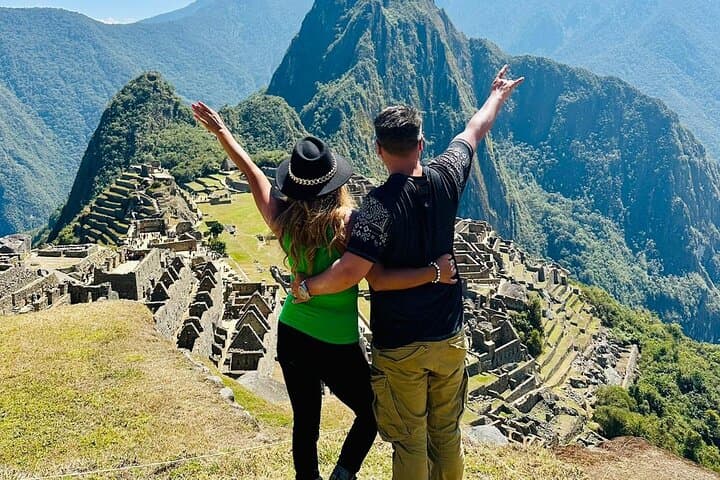
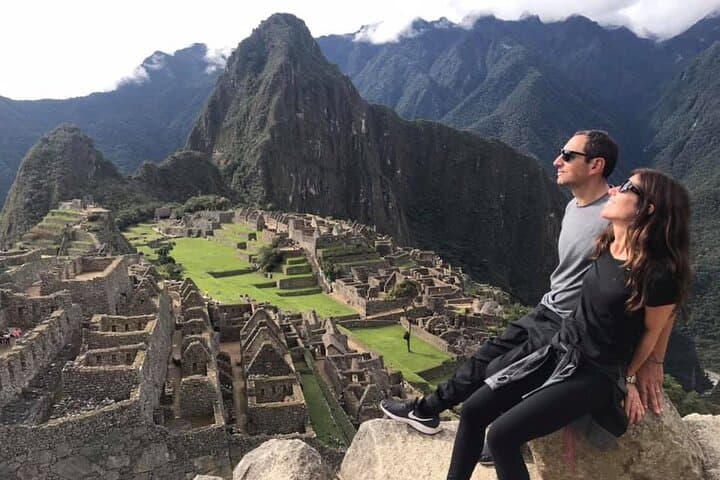
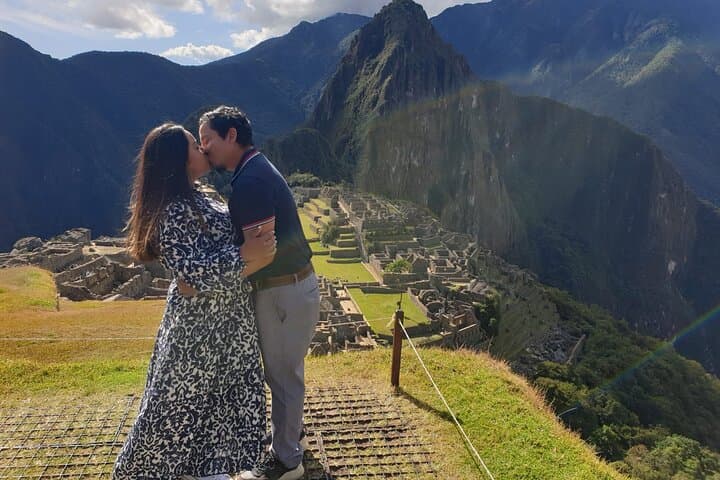
Before dawn the train hums out of Ollantaytambo, steam of your thermos mingling with river mist as terraced slopes give way to the steep, green amphitheater that holds Machu Picchu.
Verified experiences and guided adventures in the surrounding area.
Operated by Machu Picchu Peru Travel · Aguas Calientes, Cusco
Before dawn the train hums out of Ollantaytambo, steam of your thermos mingling with river mist as terraced slopes give way to the steep, green amphitheater that holds Machu Picchu.
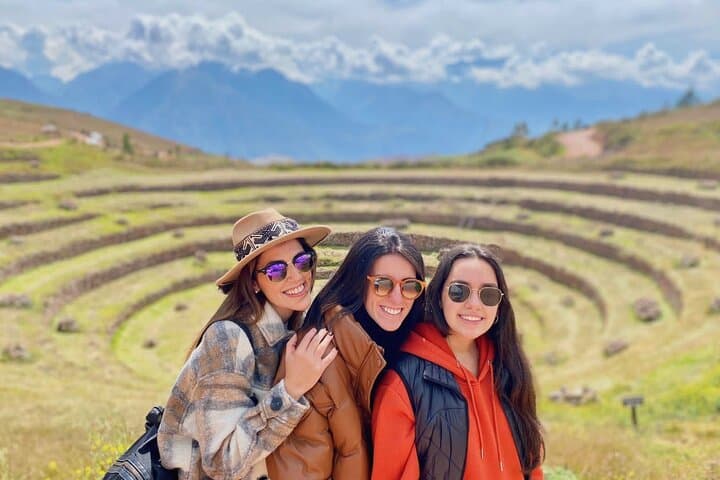
Day one walks through the Sacred Valley: Chinchero’s market, where textile dyes are still made from local plants; Moray’s concentric agricultural bowls that read like an Inca laboratory; and the Salineras at Maras—thousands of shallow salt pans catching Andean light. Ollantaytambo itself preserves original Inca street grids and massive stonework that once controlled the eastern approach to the valley.
Geologically this corridor follows the Urubamba River, carved into a deep gorge where tectonic uplift and glacial action created the narrow passes the Incas exploited for terracing and microclimates. Culturally the valley remains a living landscape: Quechua-speaking communities farm the terraces and sell textiles at markets that date to pre-Columbian exchange routes.
Practical guidance: Machu Picchu requires early starts and steady walking at altitude; expect cobbled steps, uneven stone paths and steep viewpoints. Carry water, sun protection and a light rain layer—the microclimate shifts rapidly. Luggage is limited on the tourist train (check the 8 kg rule) and hotels in Aguas Calientes are basic but convenient for the pre-dawn ascent. Book Machu Picchu entry circuits in advance to secure the preferred route and allow time for acclimatizing in Cusco to reduce altitude strain. Move deliberately, respect site rules, and leave extra battery and memory for the views—sunrise over the ruins rewards the effort.
moderate.
2 days.
Moderate fitness with ability to walk on uneven ground and climb stairs; allow time to acclimatize to high altitude.
Yes, the tour includes the entrance ticket to Machu Picchu and the guided circuit specified at booking.
Each traveler is allowed one bag up to 8 kg on the train—larger suitcases must stay in Cusco or with the operator.
Breakfast is included; lunch and dinner are typically on-your-own in Aguas Calientes and during travel segments unless specified otherwise.
Acclimatize by resting in Cusco for 24–48 hours, stay hydrated, avoid alcohol, and consult a physician about medication if you have prior issues.
Machu Picchu is a 15th-century Inca estate likely built under Pachacuti; abandoned during the Spanish era and brought to international attention by Hiram Bingham in 1911.
Visitor numbers and timed entry limit impacts; stick to paths, avoid single-use plastics, and follow guide instructions to minimize erosion and cultural wear.
Machu Picchu Peru Travel operates guided outdoor trips and adventures with an emphasis on safety, stewardship, and memorable experiences.
Before dawn the train hums out of Ollantaytambo, steam of your thermos mingling with river mist as terraced slopes give way to the steep, green amphitheater that holds Machu Picchu.
Before dawn the train hums out of Ollantaytambo, steam of your thermos mingling with river mist as terraced slopes give way to the steep, green amphitheater that holds Machu Picchu.
Day one walks through the Sacred Valley: Chinchero’s market, where textile dyes are still made from local plants; Moray’s concentric agricultural bowls that read like an Inca laboratory; and the Salineras at Maras—thousands of shallow salt pans catching Andean light. Ollantaytambo itself preserves original Inca street grids and massive stonework that once controlled the eastern approach to the valley.
Geologically this corridor follows the Urubamba River, carved into a deep gorge where tectonic uplift and glacial action created the narrow passes the Incas exploited for terracing and microclimates. Culturally the valley remains a living landscape: Quechua-speaking communities farm the terraces and sell textiles at markets that date to pre-Columbian exchange routes.
Practical guidance: Machu Picchu requires early starts and steady walking at altitude; expect cobbled steps, uneven stone paths and steep viewpoints. Carry water, sun protection and a light rain layer—the microclimate shifts rapidly. Luggage is limited on the tourist train (check the 8 kg rule) and hotels in Aguas Calientes are basic but convenient for the pre-dawn ascent. Book Machu Picchu entry circuits in advance to secure the preferred route and allow time for acclimatizing in Cusco to reduce altitude strain. Move deliberately, respect site rules, and leave extra battery and memory for the views—sunrise over the ruins rewards the effort.