THE ADVENTURE COLLECTIVE® · Independent discovery and booking for outdoor travel

A compact two-day loop from Cusco that pairs the Sacred Valley’s living Inca sites with a guided morning at Machu Picchu. Expect train travel, salt pans, terraces and a timed citadel visit—ideal for travelers who want a thorough, managed introduction to the region.
A compact two-day loop from Cusco that pairs the Sacred Valley’s living Inca sites with a guided morning at Machu Picchu. Expect train travel, salt pans, terraces and a timed citadel visit—ideal for travelers who want a thorough, managed introduction to the region.
Dawn in Cusco feels like the Andes waking up: thin light cutting across red-tiled roofs as a van threads highland roads toward Chinchero. Within an hour you’re stepping among the neat rows of colonial-era terraces and a living textile center; the air is cool and the mountain breezes seem to test the colors of woven yarns.
Verified experiences and guided adventures in the surrounding area.
Operated by MACHUPICCHU DESTINOS · Cusco, Cusco Region
Dawn in Cusco feels like the Andes waking up: thin light cutting across red-tiled roofs as a van threads highland roads toward Chinchero. Within an hour you’re stepping among the neat rows of colonial-era terraces and a living textile center; the air is cool and the mountain breezes seem to test the colors of woven yarns.
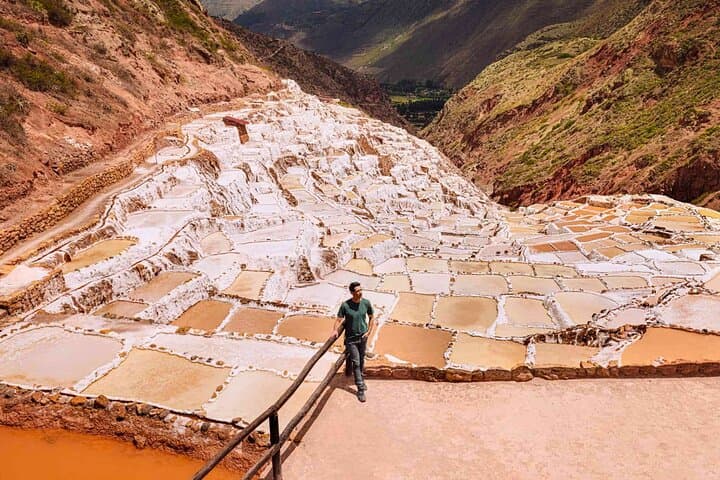
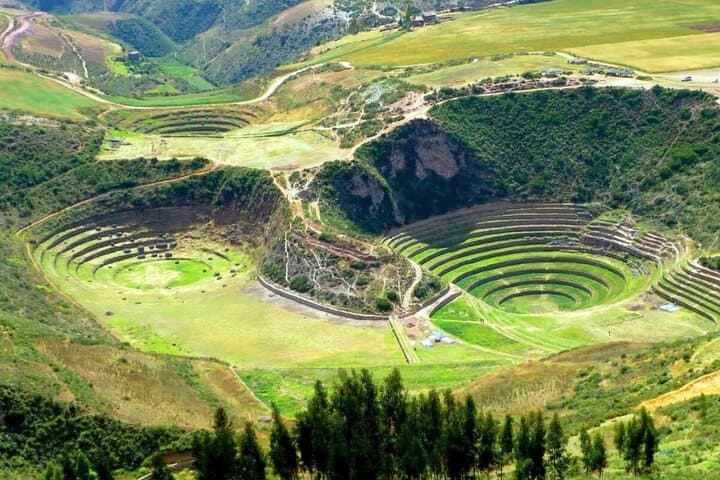
The route to Moray sinks into concentric agricultural bowls — engineered rings that the Incas used to experiment with microclimates — then climbs to Maras where thousands of salt pans cling to a steep valley wall like a stepped mosaic. After a buffet in Urubamba, Ollantaytambo’s living Inca town offers narrow stone streets and fortress walls hewn from local granite.
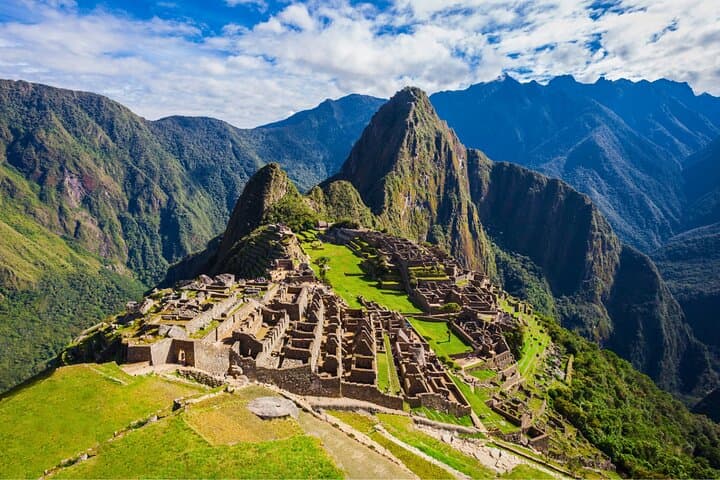
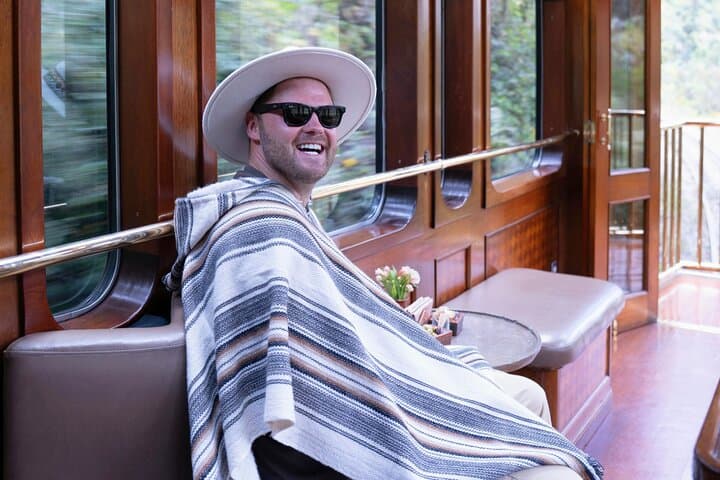
A two-hour train slides down the Urubamba valley to Aguas Calientes, the cloud forest town that serves as gateway to Machu Picchu. A 30-minute bus of switchbacks brings you roughly 390 m higher to the citadel at about 2,430 m. Expect uneven stone stairways, agricultural terraces clinging to the slope, and broad viewpoints across the canyon carved by the Urubamba River.
Practicalities: carry your original ID for entry, drink plenty of water to manage altitude shifts (Cusco ~3,400 m to Aguas Calientes ~2,040 m), and wear grippy footwear for wet or mossy stone. The guided visit usually covers 1.5–3 km of walking and takes about two hours; arrive early to avoid peak crowds and maximize light for photos. Respect site rules, stay on marked paths, and leave no trace — the place is fragile but resilient when visitors follow local guidelines.
moderate.
2 days.
Moderate fitness: able to walk 2–4 hours over uneven ground at altitude; comfortable with short steep sections.
Yes—Machu Picchu entry requires the original ID (passport or national ID) that matches the name on your ticket.
The tourist train is about 1.5–2 hours depending on the service (Expedition or Voyager) and schedule.
This itinerary is designed as a two-day trip with one night in Aguas Calientes; same-day return is possible on different tour formats but not recommended for a relaxed visit.
Symptoms are common traveling between Cusco and lower-altitude sites; acclimatize in Cusco, avoid heavy meals and alcohol, hydrate, and consult a doctor about medication like acetazolamide if needed.
Machu Picchu is a mid-15th-century Inca citadel attributed to Pachacuti; Moray served as an agricultural research and experimentation complex using microclimates created by concentric terraces.
Visitor caps and timed entries limit impact; stick to designated paths, avoid single-use plastics, and support local guides and family-run salt pans to help communities preserve the landscape.
MACHUPICCHU DESTINOS operates guided outdoor trips and adventures with an emphasis on safety, stewardship, and memorable experiences.
Dawn in Cusco feels like the Andes waking up: thin light cutting across red-tiled roofs as a van threads highland roads toward Chinchero. Within an hour you’re stepping among the neat rows of colonial-era terraces and a living textile center; the air is cool and the mountain breezes seem to test the colors of woven yarns.
Dawn in Cusco feels like the Andes waking up: thin light cutting across red-tiled roofs as a van threads highland roads toward Chinchero. Within an hour you’re stepping among the neat rows of colonial-era terraces and a living textile center; the air is cool and the mountain breezes seem to test the colors of woven yarns.
The route to Moray sinks into concentric agricultural bowls — engineered rings that the Incas used to experiment with microclimates — then climbs to Maras where thousands of salt pans cling to a steep valley wall like a stepped mosaic. After a buffet in Urubamba, Ollantaytambo’s living Inca town offers narrow stone streets and fortress walls hewn from local granite.
A two-hour train slides down the Urubamba valley to Aguas Calientes, the cloud forest town that serves as gateway to Machu Picchu. A 30-minute bus of switchbacks brings you roughly 390 m higher to the citadel at about 2,430 m. Expect uneven stone stairways, agricultural terraces clinging to the slope, and broad viewpoints across the canyon carved by the Urubamba River.
Practicalities: carry your original ID for entry, drink plenty of water to manage altitude shifts (Cusco ~3,400 m to Aguas Calientes ~2,040 m), and wear grippy footwear for wet or mossy stone. The guided visit usually covers 1.5–3 km of walking and takes about two hours; arrive early to avoid peak crowds and maximize light for photos. Respect site rules, stay on marked paths, and leave no trace — the place is fragile but resilient when visitors follow local guidelines.