THE ADVENTURE COLLECTIVE® · Independent discovery and booking for outdoor travel

Link the Sacred Valley’s terraces and salt pans with an early-morning arrival at Machu Picchu in this compact two-day itinerary. Expect stone staircases, cloud-forest humidity, living Quechua culture and strict park limits—plan ahead for trains, altitude and rapidly changing weather.
Link the Sacred Valley’s terraces and salt pans with an early-morning arrival at Machu Picchu in this compact two-day itinerary. Expect stone staircases, cloud-forest humidity, living Quechua culture and strict park limits—plan ahead for trains, altitude and rapidly changing weather.
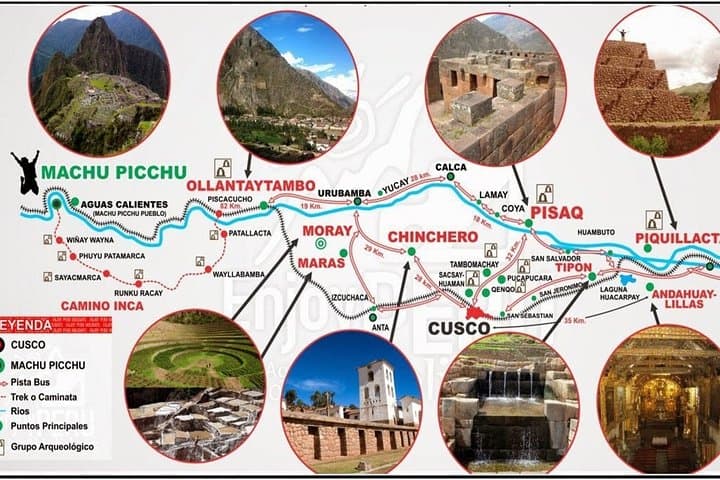
You step off the train into a cool, cloud-threaded valley and the Andes close in like a granite wall. On day one the road threads terraces and tiny Quechua villages—Chinchero’s weaving looms and the salt pans of Maras glinting like a patchwork of tiny mirrors—before you settle in a modest hotel in Machu Picchu Pueblo.
Verified experiences and guided adventures in the surrounding area.
Operated by Tayra Tours Adventures · Machu Picchu Pueblo (Aguas Calientes), Cusco Region
You step off the train into a cool, cloud-threaded valley and the Andes close in like a granite wall. On day one the road threads terraces and tiny Quechua villages—Chinchero’s weaving looms and the salt pans of Maras glinting like a patchwork of tiny mirrors—before you settle in a modest hotel in Machu Picchu Pueblo.
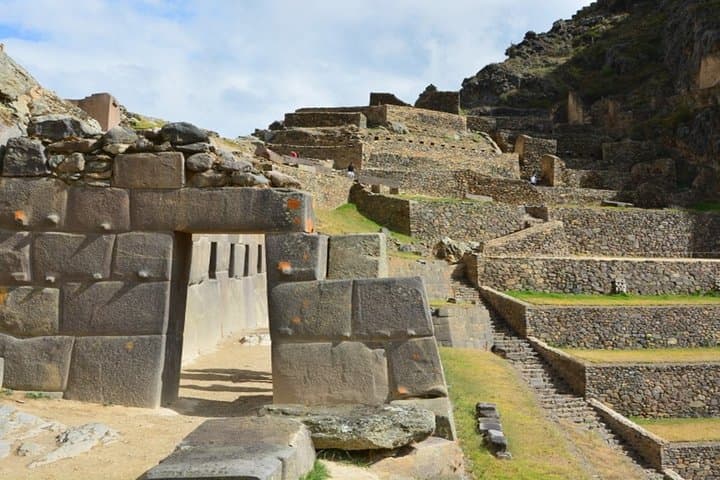
This two-day route stitches together core Inca engineering and high-Andean landscapes. The Sacred Valley’s volcanic soils and glacial-carved ridgelines supported Inca agriculture; Moray’s concentric terraces test different microclimates, while the salt pans at Maras exploit a natural subterranean brine. Machu Picchu itself sits at 2,430 m on the eastern Andes, where cloud-forest ecology meets Inca stonework—terraces, ramps, and finely cut masonry that survived centuries of isolation.
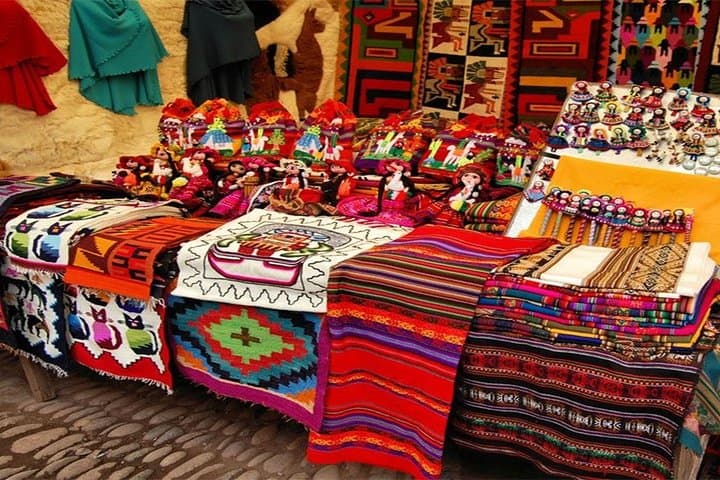
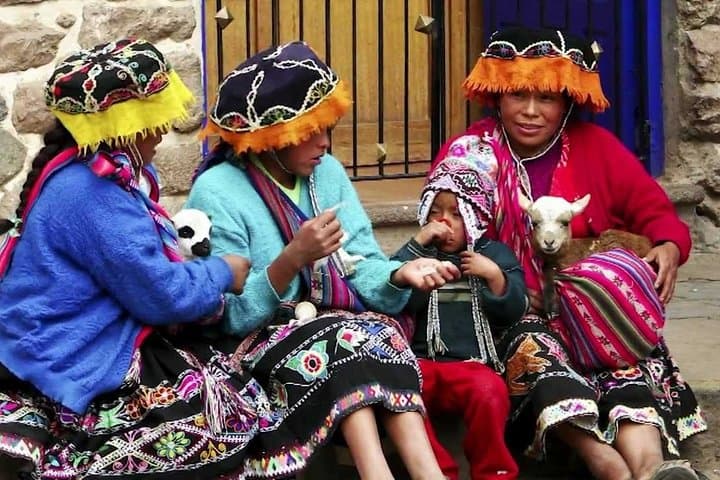
Culturally, the valley remains living Quechua country: markets, textiles, and local foodways reflect continuity with pre-Columbian practice. Practically, expect narrow, uneven stone steps, steep switchbacks and a moist microclimate that can change from sun to rain in minutes.
Plan for altitude acclimatization in Cusco before departure, carry layered waterproof clothing, and allow comfortable time for train and bus transfers up to the citadel. Bring cash for markets, and reserve Machu Picchu entry in advance—the site enforces daily visitor limits. Move deliberately on the archaeological site: stay on marked paths, pack out waste, and keep voices low to preserve the fragile ecosystem and experience for others.
moderate.
2 days.
Suitable for travelers with moderate fitness: able to walk several hours on uneven ground and climb many stairs.
Moderate fitness is recommended—visits include long periods of walking, many stone steps and some short steep sections; no technical climbing skills are required.
Typical inclusions are bilingual guide, train tickets round-trip, bus tickets up to Machu Picchu, entrance to Machu Picchu, one night hotel in Machu Picchu Pueblo, breakfast and lunch as listed.
Yes—Cusco sits around 3,400 m. Symptoms can occur; rest before the tour, hydrate, and consult a doctor about medication if you have prior issues.
These summit hikes require separate permits that must be booked in advance and are subject to availability; confirm at booking if you want one of these additional climbs.
Machu Picchu was built in the 15th century, attributed to Emperor Pachacuti, and the Sacred Valley was a key agricultural and administrative region of the Inca Empire.
Machu Picchu is a UNESCO World Heritage Site with strict visitor limits and path controls—stay on marked routes, carry out waste, and avoid drone or off-trail exploration to protect fragile habitats.
Tayra Tours Adventures operates guided outdoor trips and adventures with an emphasis on safety, stewardship, and memorable experiences.
You step off the train into a cool, cloud-threaded valley and the Andes close in like a granite wall. On day one the road threads terraces and tiny Quechua villages—Chinchero’s weaving looms and the salt pans of Maras glinting like a patchwork of tiny mirrors—before you settle in a modest hotel in Machu Picchu Pueblo.
You step off the train into a cool, cloud-threaded valley and the Andes close in like a granite wall. On day one the road threads terraces and tiny Quechua villages—Chinchero’s weaving looms and the salt pans of Maras glinting like a patchwork of tiny mirrors—before you settle in a modest hotel in Machu Picchu Pueblo.
This two-day route stitches together core Inca engineering and high-Andean landscapes. The Sacred Valley’s volcanic soils and glacial-carved ridgelines supported Inca agriculture; Moray’s concentric terraces test different microclimates, while the salt pans at Maras exploit a natural subterranean brine. Machu Picchu itself sits at 2,430 m on the eastern Andes, where cloud-forest ecology meets Inca stonework—terraces, ramps, and finely cut masonry that survived centuries of isolation.
Culturally, the valley remains living Quechua country: markets, textiles, and local foodways reflect continuity with pre-Columbian practice. Practically, expect narrow, uneven stone steps, steep switchbacks and a moist microclimate that can change from sun to rain in minutes.
Plan for altitude acclimatization in Cusco before departure, carry layered waterproof clothing, and allow comfortable time for train and bus transfers up to the citadel. Bring cash for markets, and reserve Machu Picchu entry in advance—the site enforces daily visitor limits. Move deliberately on the archaeological site: stay on marked paths, pack out waste, and keep voices low to preserve the fragile ecosystem and experience for others.