THE ADVENTURE COLLECTIVE® · Independent discovery and booking for outdoor travel

Ride the train from the Sacred Valley to Aguas Calientes, explore Pisac and Ollantaytambo, and spend a day guided through Machu Picchu. This 2-day experience mixes Inca archaeology, market life, and riverside rail travel—ideal for travelers who want concentrated history with practical travel logistics.
Ride the train from the Sacred Valley to Aguas Calientes, explore Pisac and Ollantaytambo, and spend a day guided through Machu Picchu. This 2-day experience mixes Inca archaeology, market life, and riverside rail travel—ideal for travelers who want concentrated history with practical travel logistics.
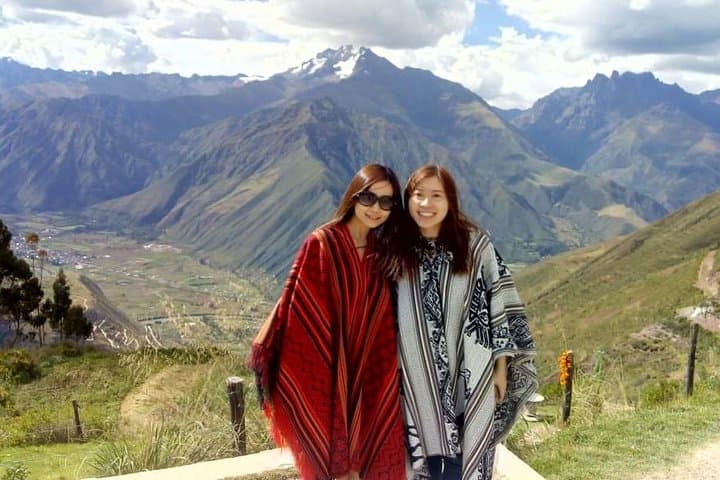
The train eases out of the high Andean plain and the valley opens beneath you—stepped terraces drop toward the Urubamba River, rock faces catch late light, and the air sharpens with altitude. On day one you'll weave through Pisac’s cliffside ruins, browse a market where handwoven textiles change hands, then arrive at the fortress town of Ollantaytambo before boarding the rail that follows the river gorge to Aguas Calientes.
Verified experiences and guided adventures in the surrounding area.
Operated by Machupicchu Latin America · Aguas Calientes, Cusco
The train eases out of the high Andean plain and the valley opens beneath you—stepped terraces drop toward the Urubamba River, rock faces catch late light, and the air sharpens with altitude. On day one you'll weave through Pisac’s cliffside ruins, browse a market where handwoven textiles change hands, then arrive at the fortress town of Ollantaytambo before boarding the rail that follows the river gorge to Aguas Calientes.
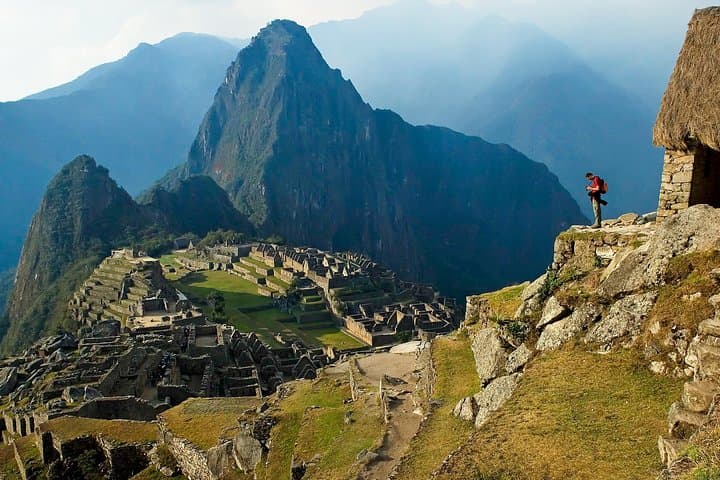
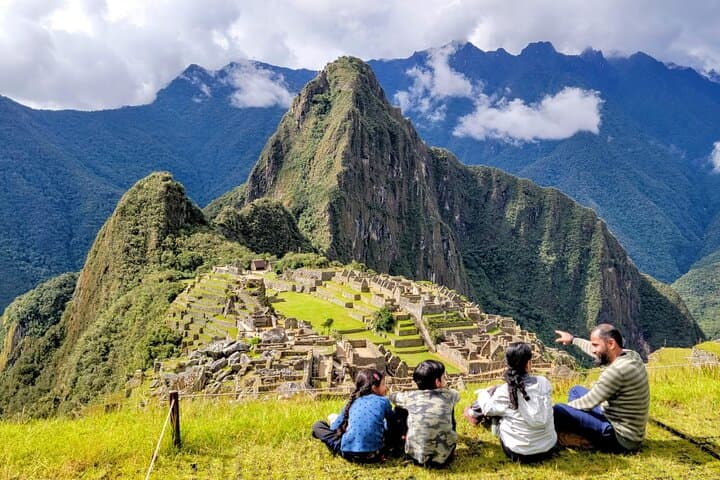
These places are layered: the Incas engineered terraces and water channels into steep geology that resists erosion, and colonial-era towns still hold Quechua traditions. The Vilcanota (Urubamba) River argues with the canyon, pushing travelers toward the green bowl that shelters Machu Picchu. Archaeological plazas, finely cut stone, and agricultural tiers tell a practical story of mountain living and ritual landscape management.
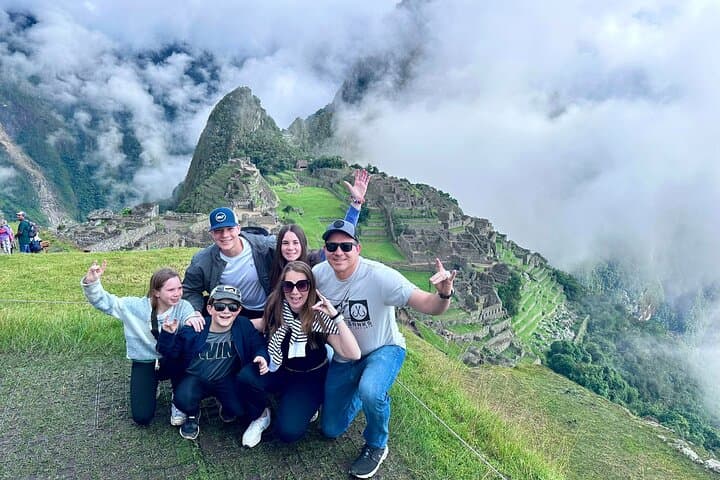
Expect a guided walk through Machu Picchu’s citadel on day two, followed by free time to climb viewpoints or linger at the Temple of the Sun. Practicalities matter: trains limit luggage, passports are checked for entry, and entry circuits to the citadel are assigned by time slot.
Plan for changing weather—sun, wind and rain can arrive in the same hour. Hydrate for altitude, wear broken-in footwear for uneven Inca stone, and carry a compact rain layer. Booking advance Machu Picchu entrance and preferred train class preserves flexibility; spare a morning in Cusco beforehand to acclimatize. This two-day loop balances immersive history with straightforward logistics—terrain that asks for steady shoes and curious eyes.
moderate.
2 days.
Moderate fitness—able to walk on uneven stone, climb stairs and handle short uphill sections at altitude
Yes—your passport is required on the day of travel and for Machu Picchu entry; it should be valid for at least six months.
The guided portion is typically about 2–3 hours, followed by reserved free time to explore or visit viewpoints before the return train.
Yes—most travelers leave large bags at their Cusco hotel for free; trains restrict checked baggage and charge extra for oversized items.
Yes—vegetarian choices are available but you should indicate dietary needs at booking to ensure arrangements.
The Sacred Valley was a core agricultural and ceremonial landscape for the Inca, with engineered terraces and ritual centers that supported Cusco’s population.
Machu Picchu access is managed by designated circuits and limited daily tickets to reduce wear; visitors should stay on marked paths and avoid single-use plastics where possible.
Machupicchu Latin America operates guided outdoor trips and adventures with an emphasis on safety, stewardship, and memorable experiences.
The train eases out of the high Andean plain and the valley opens beneath you—stepped terraces drop toward the Urubamba River, rock faces catch late light, and the air sharpens with altitude. On day one you'll weave through Pisac’s cliffside ruins, browse a market where handwoven textiles change hands, then arrive at the fortress town of Ollantaytambo before boarding the rail that follows the river gorge to Aguas Calientes.
The train eases out of the high Andean plain and the valley opens beneath you—stepped terraces drop toward the Urubamba River, rock faces catch late light, and the air sharpens with altitude. On day one you'll weave through Pisac’s cliffside ruins, browse a market where handwoven textiles change hands, then arrive at the fortress town of Ollantaytambo before boarding the rail that follows the river gorge to Aguas Calientes.
These places are layered: the Incas engineered terraces and water channels into steep geology that resists erosion, and colonial-era towns still hold Quechua traditions. The Vilcanota (Urubamba) River argues with the canyon, pushing travelers toward the green bowl that shelters Machu Picchu. Archaeological plazas, finely cut stone, and agricultural tiers tell a practical story of mountain living and ritual landscape management.
Expect a guided walk through Machu Picchu’s citadel on day two, followed by free time to climb viewpoints or linger at the Temple of the Sun. Practicalities matter: trains limit luggage, passports are checked for entry, and entry circuits to the citadel are assigned by time slot.
Plan for changing weather—sun, wind and rain can arrive in the same hour. Hydrate for altitude, wear broken-in footwear for uneven Inca stone, and carry a compact rain layer. Booking advance Machu Picchu entrance and preferred train class preserves flexibility; spare a morning in Cusco beforehand to acclimatize. This two-day loop balances immersive history with straightforward logistics—terrain that asks for steady shoes and curious eyes.