THE ADVENTURE COLLECTIVE® · Independent discovery and booking for outdoor travel

A compact, two-day safari into Ruaha National Park focuses on high elephant densities, endangered wild dogs, and Miombo woodland game drives. Base inside the park for morning and evening drives that maximize wildlife viewing with practical travel advice for first-time safari visitors.
A compact, two-day safari into Ruaha National Park focuses on high elephant densities, endangered wild dogs, and Miombo woodland game drives. Base inside the park for morning and evening drives that maximize wildlife viewing with practical travel advice for first-time safari visitors.
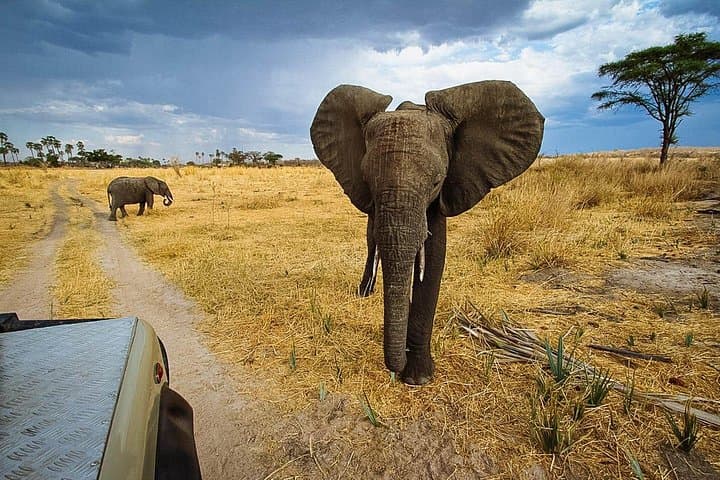
You crest a low ridge and the plains open: red laterite dust, the slow sweep of Miombo woodland, and a herd of elephants fanning out along the riverbank as if rehearsed. The air smells of sun-warmed grass and river mud; guides point, engines hush, and the park’s scale settles in.
Verified experiences and guided adventures in the surrounding area.
Operated by Tatanca Safari & Tours · Iringa, Iringa Region
You crest a low ridge and the plains open: red laterite dust, the slow sweep of Miombo woodland, and a herd of elephants fanning out along the riverbank as if rehearsed. The air smells of sun-warmed grass and river mud; guides point, engines hush, and the park’s scale settles in.
Ruaha covers roughly 20,000 km² in Tanzania’s Iringa Region and became a national park in the mid-20th century. Its landscape is a study in contrasts — granitic outcrops, broad floodplains fed by the Great Ruaha River, and belts of miombo that shape animal movement. Human history here includes the Hehe communities of Iringa and long-standing pastoral routes that skirt the park.
On a two-day itinerary you’ll base at park cottages, breaking the trip into morning and late-afternoon game drives when wildlife is most active. Expect game drives of several hours across sandy tracks and hard-packed laterite; elevation in the park ranges from roughly 700–1,500 m, so nights can cool. The star attractions are high concentrations of elephants, endangered African wild dogs, and large antelope like kudu and sable among dappled woodland.
Practical edge: travel light but bring binoculars, sun protection, and a camera with a zoom lens. Stay hydrated — provided water is limited to 1.5 L per person per day on some itineraries — and follow your guide’s instructions around concentrated game. Dry-season drives (June–October) give the clearest wildlife viewing; the green season offers dramatic breeding activity and fewer vehicles. This short safari delivers concentrated encounters without strenuous hiking, focused on observation, photography, and the rhythms of East African bush life.
easy.
2 days (approx. 48 hours).
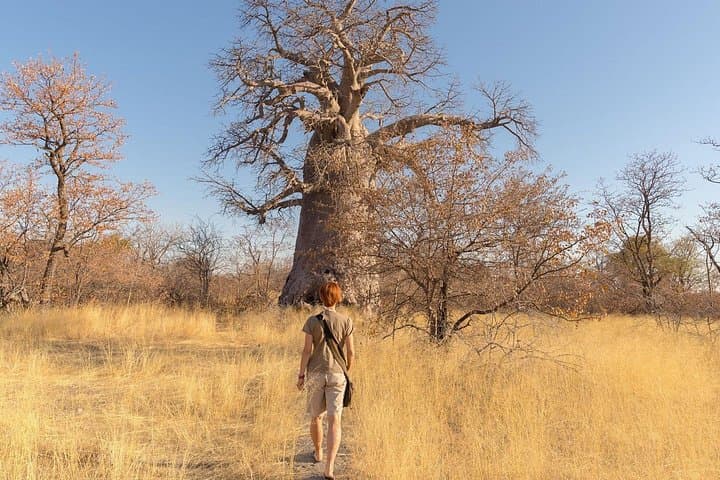
Suitable for most fitness levels; primarily vehicle-based with short on-foot stretches for lodge access.
Most guaranteed park transfers use 4x4 vehicles operated by the tour provider; guests need not arrange their own transport beyond pickup from Iringa.
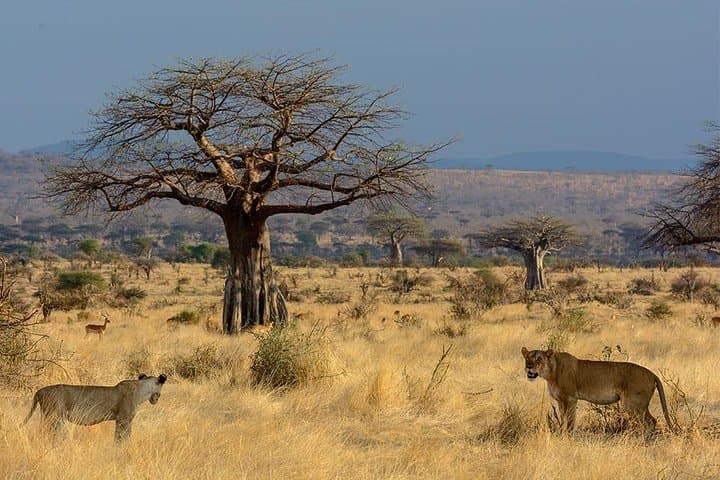
Elephants are common, plus sightings of kudu, sable, impala, giraffe and frequently predators like lions; wild dogs are present but sightings are less predictable.
On this itinerary fees, meals and park game drives are listed as included; confirm specifics at booking for any optional extras.
The tour is suitable for a wide range of ages and fitness levels since most wildlife viewing occurs from vehicles; advise operator of any mobility needs prior to travel.
Ruaha was expanded and upgraded through the 20th century to protect its large elephant populations and unique miombo ecosystems.
The park is a key stronghold for endangered African wild dogs and elephants; visitors are asked to minimize disturbance and support park fees that fund anti-poaching and community programs.
Tatanca Safari & Tours operates guided outdoor trips and adventures with an emphasis on safety, stewardship, and memorable experiences.
You crest a low ridge and the plains open: red laterite dust, the slow sweep of Miombo woodland, and a herd of elephants fanning out along the riverbank as if rehearsed. The air smells of sun-warmed grass and river mud; guides point, engines hush, and the park’s scale settles in.
You crest a low ridge and the plains open: red laterite dust, the slow sweep of Miombo woodland, and a herd of elephants fanning out along the riverbank as if rehearsed. The air smells of sun-warmed grass and river mud; guides point, engines hush, and the park’s scale settles in.
Ruaha covers roughly 20,000 km² in Tanzania’s Iringa Region and became a national park in the mid-20th century. Its landscape is a study in contrasts — granitic outcrops, broad floodplains fed by the Great Ruaha River, and belts of miombo that shape animal movement. Human history here includes the Hehe communities of Iringa and long-standing pastoral routes that skirt the park.
On a two-day itinerary you’ll base at park cottages, breaking the trip into morning and late-afternoon game drives when wildlife is most active. Expect game drives of several hours across sandy tracks and hard-packed laterite; elevation in the park ranges from roughly 700–1,500 m, so nights can cool. The star attractions are high concentrations of elephants, endangered African wild dogs, and large antelope like kudu and sable among dappled woodland.
Practical edge: travel light but bring binoculars, sun protection, and a camera with a zoom lens. Stay hydrated — provided water is limited to 1.5 L per person per day on some itineraries — and follow your guide’s instructions around concentrated game. Dry-season drives (June–October) give the clearest wildlife viewing; the green season offers dramatic breeding activity and fewer vehicles. This short safari delivers concentrated encounters without strenuous hiking, focused on observation, photography, and the rhythms of East African bush life.