THE ADVENTURE COLLECTIVE® · Independent discovery and booking for outdoor travel

A two-day, one-night trek from Cusco to Vinicunca (Rainbow Mountain) that combines high-altitude camping, sunrise on multicolored slopes, and a descent through the Red Valley. Perfect for trekkers comfortable with challenging elevation and rugged trails.
A two-day, one-night trek from Cusco to Vinicunca (Rainbow Mountain) that combines high-altitude camping, sunrise on multicolored slopes, and a descent through the Red Valley. Perfect for trekkers comfortable with challenging elevation and rugged trails.
At first light you climb out of the van into air that bites and clarifies—thin, cold, honest. The first day of this two-day trek moves from the cultivated South Valley north of Cusco into high puna grasslands, finishing at a campsite below Llamachimpana where stars feel close enough to touch.
Verified experiences and guided adventures in the surrounding area.
Operated by Bamba Travel · Cusco, Cusco
At first light you climb out of the van into air that bites and clarifies—thin, cold, honest. The first day of this two-day trek moves from the cultivated South Valley north of Cusco into high puna grasslands, finishing at a campsite below Llamachimpana where stars feel close enough to touch.
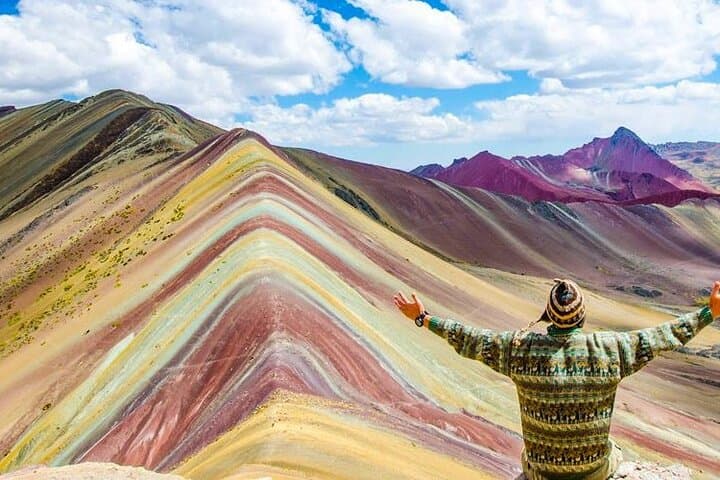
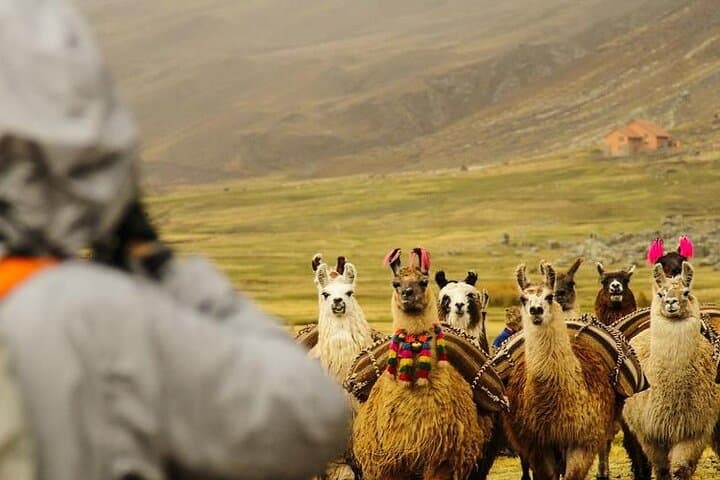
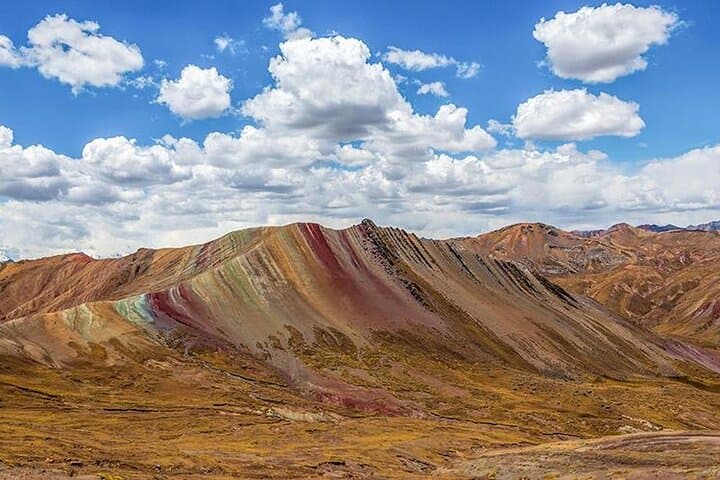
This landscape owes its colors to uplift and erosion: sedimentary layers, rich in iron and copper minerals, were tilted and exposed by tectonic forces and glaciation. Local Andean communities—Quechua-speaking families that herd llamas and vicuñas—have worked these slopes for centuries; Pitumarca is the last sizable town before the trailhead and a place to sample hearty local meals.
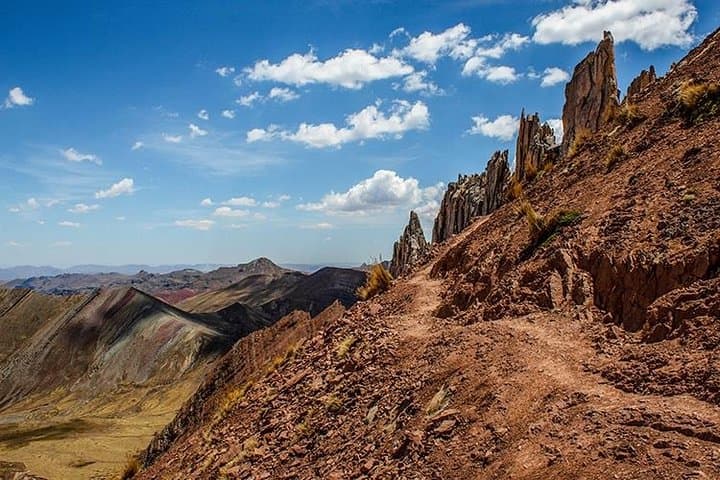
Expect rugged, high-altitude terrain: rocky trails, short steep pitches, and exposed ridgelines. Wildlife is quiet but present—watch for vicuñas on distant ridges and the occasional Andean fox. Nights at 4,600 m compress sound and sharpen the stars; mornings demand slow, deliberate acclimatization.
Practical edge: the main ascent to Vinicunca (Rainbow Mountain) begins before dawn from Llamachimpana to catch sunrise light on the colored strata. Hike distances are modest—about 4 km on day one and roughly 10 km with returns on day two—but elevations range from ~3,500 m to over 5,000 m, which makes pace and hydration decisive. Guides typically provide meals, tents, and horse support for gear, but bring solid footwear, layered insulation, sun protection, and at least 2–3 liters of water. Move deliberately, breathe slowly, and let the mountain set the rhythm.
challenging.
2 days (1 night).
Recommended for fit trekkers comfortable with sustained hiking at high altitude; cardiovascular fitness and prior multi-day hiking experience help.
The trail distances are moderate but altitudes exceed 4,500 m; many find the oxygen deficit the main challenge—go slowly, hydrate, and communicate any symptoms to guides.
Yes—wranglers and horses typically carry heavy equipment; some operators offer horse rides for parts of the ascent for an extra fee, but confirm in advance.
Basic camps with tents and foam mattresses are provided; nights are very cold and sleeping bags rated to at least -10°C are recommended.
Access is regulated and entrance fees are usually included by tour operators; independent visitors must purchase a ticket at the trailhead or authorized vendors.
The area sits within traditional Quechua lands; local communities have grazed camelids here for centuries and often guide or support treks.
High foot traffic damages fragile alpine soils and native grasses—stick to trails, pack out waste, and use licensed local guides to support sustainable tourism.
Bamba Travel operates guided outdoor trips and adventures with an emphasis on safety, stewardship, and memorable experiences.
At first light you climb out of the van into air that bites and clarifies—thin, cold, honest. The first day of this two-day trek moves from the cultivated South Valley north of Cusco into high puna grasslands, finishing at a campsite below Llamachimpana where stars feel close enough to touch.
At first light you climb out of the van into air that bites and clarifies—thin, cold, honest. The first day of this two-day trek moves from the cultivated South Valley north of Cusco into high puna grasslands, finishing at a campsite below Llamachimpana where stars feel close enough to touch.
This landscape owes its colors to uplift and erosion: sedimentary layers, rich in iron and copper minerals, were tilted and exposed by tectonic forces and glaciation. Local Andean communities—Quechua-speaking families that herd llamas and vicuñas—have worked these slopes for centuries; Pitumarca is the last sizable town before the trailhead and a place to sample hearty local meals.
Expect rugged, high-altitude terrain: rocky trails, short steep pitches, and exposed ridgelines. Wildlife is quiet but present—watch for vicuñas on distant ridges and the occasional Andean fox. Nights at 4,600 m compress sound and sharpen the stars; mornings demand slow, deliberate acclimatization.
Practical edge: the main ascent to Vinicunca (Rainbow Mountain) begins before dawn from Llamachimpana to catch sunrise light on the colored strata. Hike distances are modest—about 4 km on day one and roughly 10 km with returns on day two—but elevations range from ~3,500 m to over 5,000 m, which makes pace and hydration decisive. Guides typically provide meals, tents, and horse support for gear, but bring solid footwear, layered insulation, sun protection, and at least 2–3 liters of water. Move deliberately, breathe slowly, and let the mountain set the rhythm.