THE ADVENTURE COLLECTIVE® · Independent discovery and booking for outdoor travel

Two intense days combine the oracle’s ruined terraces at Delphi with the cliff-top monasteries of Meteora and a stop at Thermopylae. This private tour pairs close-up history with dramatic geology and practical pacing for travelers from Athens.
Two intense days combine the oracle’s ruined terraces at Delphi with the cliff-top monasteries of Meteora and a stop at Thermopylae. This private tour pairs close-up history with dramatic geology and practical pacing for travelers from Athens.
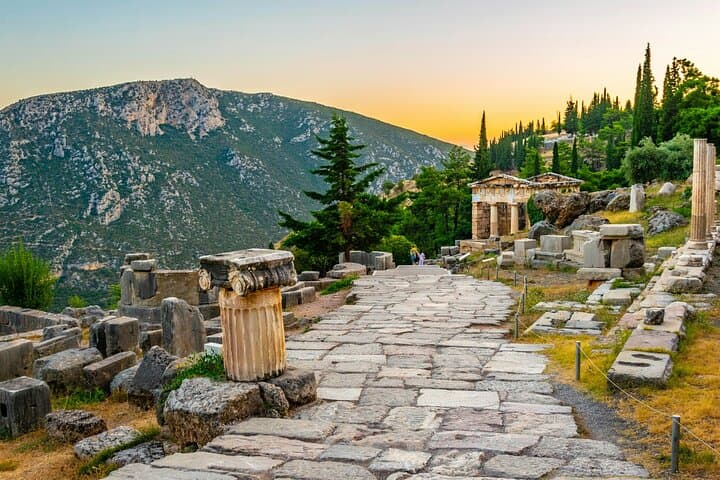
You step out of the minivan onto a stony slope with a view: terraces of ruined columns and the sweep of Mount Parnassus beyond. In Delphi the air carries dust and cedar; voices seem to hang where pilgrims once sought counsel from the oracle. Over two days this private tour threads between classical archaeology and vertiginous geology — from the temple terraces and museum cases to the sky-high monasteries of Meteora.
Verified experiences and guided adventures in the surrounding area.
Operated by EnjoyCorinthia Tours & Tranfers · Delphi, Central Greece
You step out of the minivan onto a stony slope with a view: terraces of ruined columns and the sweep of Mount Parnassus beyond. In Delphi the air carries dust and cedar; voices seem to hang where pilgrims once sought counsel from the oracle. Over two days this private tour threads between classical archaeology and vertiginous geology — from the temple terraces and museum cases to the sky-high monasteries of Meteora.
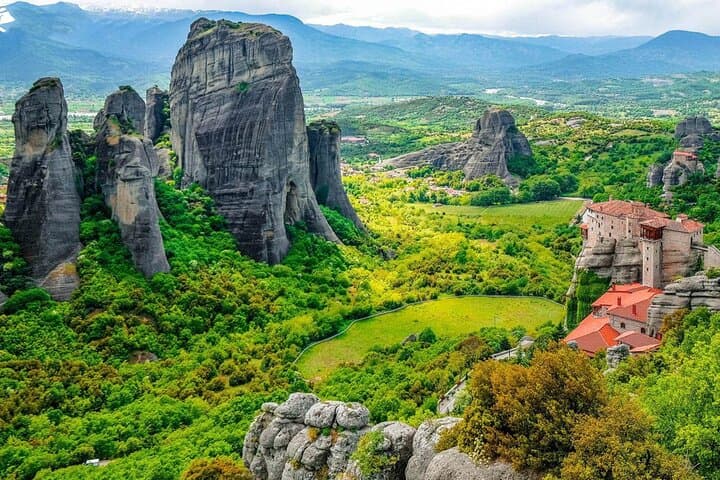
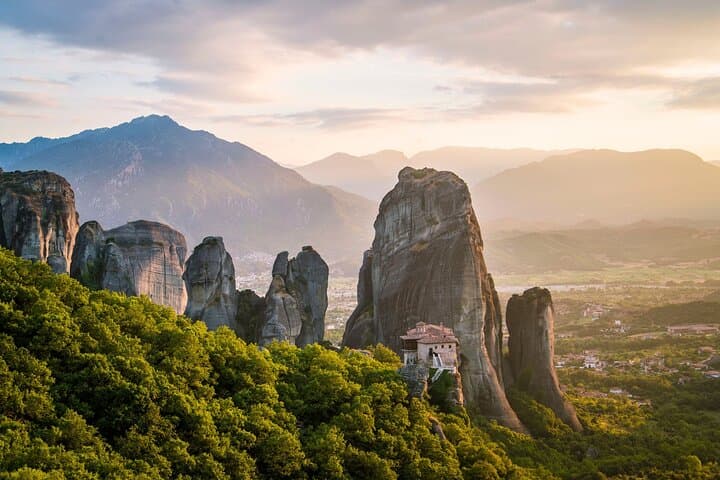
Delphi sits on the south-western slope of Mount Parnassus at roughly 600–700 m elevation; paths are paved but uneven and incline steadily from the modern town. The archaeological site includes the Temple of Apollo, the theater and the stadium, while the Delphi Museum houses finds like the Charioteer statue. Meteora’s sandstone pillars, formed by millions of years of fluvial deposition and erosion, rise up to several hundred meters above the town of Kalabaka; exploring the monasteries involves steep stairs, narrow switchbacks and short cliffside trails with exposed views.
Cultural threads tie the itinerary: ancient pan-Hellenic religion, Byzantine monasticism, and the Thermopylae memorial where history and landscape meet. Practicalities matter: plan for two long travel segments (Athens–Delphi ~2.5–3 hours; Delphi–Meteora ~3–4 hours by road), comfortable shoes for cobbles and stairs, and layered clothing for temperature swings between valley floors and exposed viewpoints.
Expect guided context at each stop, short hikes to viewpoints, time for the museum and local food in Arachova, and a cadence that balances driving with on-foot exploration.
easy.
2 days (approx. 8–10 hours per day including transit).
Suitable for travelers in average physical condition who can manage short hikes, stairs and moderate walking over uneven ground.
Expect several hours of walking each day: uneven archaeological terraces at Delphi and stair climbs at Meteora, but nothing technical—suitable for most travelers who can walk short distances on uneven surfaces.
Admissions vary by monastery; the tour provides guided visits to two monasteries but check whether entrance fees are included in your booking.
The tour is described as easy and private transport is provided, but monastery access involves many steps—individual mobility needs should be discussed when booking.
As a private tour it is typically flexible—confirm pickup/drop-off details and any special requests with the operator at booking.
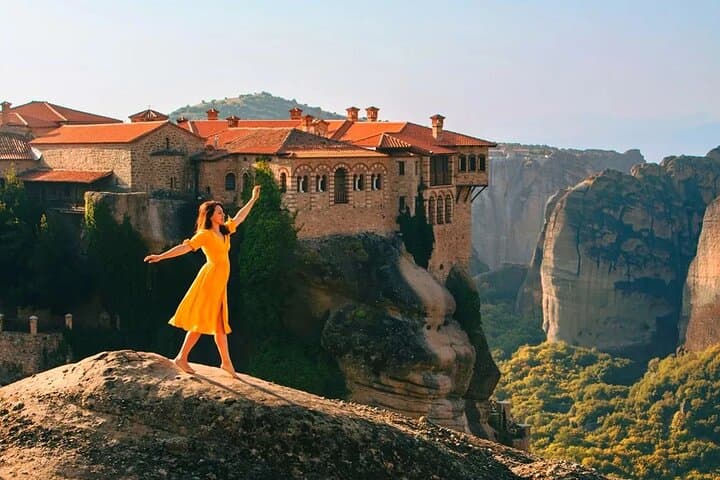
Delphi was a pan‑Hellenic religious center and home to the Oracle of Apollo; Meteora’s monasteries were established by ascetic monks between the 14th and 16th centuries to seek solitude and safety.
Both sites face visitor-pressure; stick to marked paths, avoid touching frescoes or artifacts, and support local conservation by using licensed guides and respecting signage.
EnjoyCorinthia Tours & Tranfers operates guided outdoor trips and adventures with an emphasis on safety, stewardship, and memorable experiences.
You step out of the minivan onto a stony slope with a view: terraces of ruined columns and the sweep of Mount Parnassus beyond. In Delphi the air carries dust and cedar; voices seem to hang where pilgrims once sought counsel from the oracle. Over two days this private tour threads between classical archaeology and vertiginous geology — from the temple terraces and museum cases to the sky-high monasteries of Meteora.
You step out of the minivan onto a stony slope with a view: terraces of ruined columns and the sweep of Mount Parnassus beyond. In Delphi the air carries dust and cedar; voices seem to hang where pilgrims once sought counsel from the oracle. Over two days this private tour threads between classical archaeology and vertiginous geology — from the temple terraces and museum cases to the sky-high monasteries of Meteora.
Delphi sits on the south-western slope of Mount Parnassus at roughly 600–700 m elevation; paths are paved but uneven and incline steadily from the modern town. The archaeological site includes the Temple of Apollo, the theater and the stadium, while the Delphi Museum houses finds like the Charioteer statue. Meteora’s sandstone pillars, formed by millions of years of fluvial deposition and erosion, rise up to several hundred meters above the town of Kalabaka; exploring the monasteries involves steep stairs, narrow switchbacks and short cliffside trails with exposed views.
Cultural threads tie the itinerary: ancient pan-Hellenic religion, Byzantine monasticism, and the Thermopylae memorial where history and landscape meet. Practicalities matter: plan for two long travel segments (Athens–Delphi ~2.5–3 hours; Delphi–Meteora ~3–4 hours by road), comfortable shoes for cobbles and stairs, and layered clothing for temperature swings between valley floors and exposed viewpoints.
Expect guided context at each stop, short hikes to viewpoints, time for the museum and local food in Arachova, and a cadence that balances driving with on-foot exploration.