THE ADVENTURE COLLECTIVE® · Independent discovery and booking for outdoor travel

Spend two days moving from the pink waters of Lac Rose to the colonial streets of Saint‑Louis and the vast birdlife of Djoudj Reserve. This private tour mixes salt‑harvesting tradition, UNESCO heritage architecture and boat safaris through one of Africa’s great ornithological havens.
Spend two days moving from the pink waters of Lac Rose to the colonial streets of Saint‑Louis and the vast birdlife of Djoudj Reserve. This private tour mixes salt‑harvesting tradition, UNESCO heritage architecture and boat safaris through one of Africa’s great ornithological havens.
You step off the vehicle onto a shore that seems to refuse a single color: Lac Rose shimmers a high-salinity pink, salt crusting the shoreline like weathered papier‑mâché while workers haul blocks with rhythmic motions. The sun bounces off shallow pools and the air smells faintly of mineral and sea.
Verified experiences and guided adventures in the surrounding area.
Operated by Senegal Shuttle · Saint-Louis, Saint-Louis Region
You step off the vehicle onto a shore that seems to refuse a single color: Lac Rose shimmers a high-salinity pink, salt crusting the shoreline like weathered papier‑mâché while workers haul blocks with rhythmic motions. The sun bounces off shallow pools and the air smells faintly of mineral and sea.
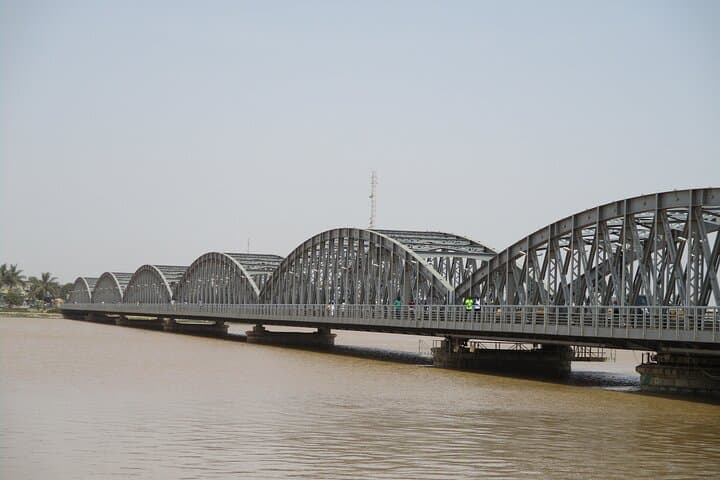
By midafternoon the road carries you north toward Saint‑Louis, where the Senegal River pushes the island toward the ocean and colonial-era ironwork frames narrow streets. The city was the French colonial capital for west Africa and its bridges, mosques and market alleys still speak of layered history and trade. Geologically, Lac Rose’s color comes from salts and algae that flourish at extreme salinities; Djoudj, carved by river sediment and seasonal floods, became a refuge for birds flying the East Atlantic flyway.
On day two you’ll glide through Djoudj’s canals by boat, flamingos and pelicans filling the sky like punctuation marks. The reserve’s shallow channels channel life; reeds and mud banks are home to waders and kingfishers that watch as closely as you do.
Practical edge: the route is mostly low‑altitude, with several easy walks and a half‑day boat cruise—moderate fitness and mobility are required. Carry binoculars, sun protection, cash in CFA francs, mosquito repellent and a light rain layer in the wet months. Start early to avoid midday heat and respect wildlife by keeping noise low and boats at slow speeds in the reserve. One night is spent in Saint‑Louis; allow extra time if you want more birding or a longer stay in the island’s cafés and markets.
moderate.
2 days.
Moderate: expect short walks, standing during boat rides and some uneven ground; not suitable for those with serious back or heart conditions.
From Dakar to Lac Rose is roughly 35–40 km; the transfer north to Saint‑Louis adds several hours depending on stops—expect full‑day travel on day one with sightseeing.
Yes, but young children must be supervised, and infants may need to sit on laps; life vests are provided but check with your operator for any age restrictions.
The dry season (November–March) concentrates birds into the reserve and is typically best for large flocks and easy sightings.
The itinerary includes one hotel night in Saint‑Louis and admission to Djoudj as described, but confirm final inclusions with the operator before booking.
Saint‑Louis served as a French colonial capital and trade hub; its island core and bridge reflect 19th‑century urban planning and commerce.
Djoudj and Lac Rose face pressures from changing hydrology and tourism; stick to guides, avoid littering and support local conservation initiatives.
Senegal Shuttle operates guided outdoor trips and adventures with an emphasis on safety, stewardship, and memorable experiences.
You step off the vehicle onto a shore that seems to refuse a single color: Lac Rose shimmers a high-salinity pink, salt crusting the shoreline like weathered papier‑mâché while workers haul blocks with rhythmic motions. The sun bounces off shallow pools and the air smells faintly of mineral and sea.
You step off the vehicle onto a shore that seems to refuse a single color: Lac Rose shimmers a high-salinity pink, salt crusting the shoreline like weathered papier‑mâché while workers haul blocks with rhythmic motions. The sun bounces off shallow pools and the air smells faintly of mineral and sea.
By midafternoon the road carries you north toward Saint‑Louis, where the Senegal River pushes the island toward the ocean and colonial-era ironwork frames narrow streets. The city was the French colonial capital for west Africa and its bridges, mosques and market alleys still speak of layered history and trade. Geologically, Lac Rose’s color comes from salts and algae that flourish at extreme salinities; Djoudj, carved by river sediment and seasonal floods, became a refuge for birds flying the East Atlantic flyway.
On day two you’ll glide through Djoudj’s canals by boat, flamingos and pelicans filling the sky like punctuation marks. The reserve’s shallow channels channel life; reeds and mud banks are home to waders and kingfishers that watch as closely as you do.
Practical edge: the route is mostly low‑altitude, with several easy walks and a half‑day boat cruise—moderate fitness and mobility are required. Carry binoculars, sun protection, cash in CFA francs, mosquito repellent and a light rain layer in the wet months. Start early to avoid midday heat and respect wildlife by keeping noise low and boats at slow speeds in the reserve. One night is spent in Saint‑Louis; allow extra time if you want more birding or a longer stay in the island’s cafés and markets.