THE ADVENTURE COLLECTIVE® · Independent discovery and booking for outdoor travel

Two days of private transfers and guided visits from Aswan to Abu Simbel, combining island temples, the High Dam, and an early-morning pilgrimage to Ramses II’s cliffside monuments.
Two days of private transfers and guided visits from Aswan to Abu Simbel, combining island temples, the High Dam, and an early-morning pilgrimage to Ramses II’s cliffside monuments.
The morning air in Aswan is thick with the Nile’s movement, the river daring you to slow down and look. You meet your driver at dawn, the city’s sandstone roofs still cool, and head for islands and monuments that mark Egypt’s long conversation with its river and desert.
Verified experiences and guided adventures in the surrounding area.
Operated by D.Done travel Egypt · Aswan, Aswan Governorate
The morning air in Aswan is thick with the Nile’s movement, the river daring you to slow down and look. You meet your driver at dawn, the city’s sandstone roofs still cool, and head for islands and monuments that mark Egypt’s long conversation with its river and desert.
On day one the boat and the banks take center stage: Philae Temple rises from its island with colonnades carved for Isis, the High Dam stands as modern engineering holding the Nile’s flow, and the Unfinished Obelisk offers a raw lesson in ancient stonecraft. Optionally, a short boat ride to a Nubian village lets you trade city noise for painted houses, strong tea, and sunset light over palm-lined water.
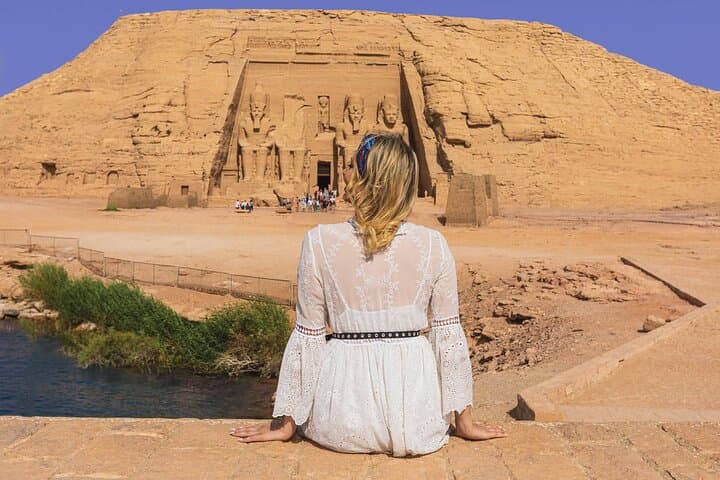
Day two is a long, early drive to Abu Simbel, where the colossi of Ramses II confront the sun and history. The temples were famously relocated in the 1960s to escape the reservoir’s rise — a rare, large-scale act of archaeological rescue that shaped the modern Nile.
Practical guidance: expect long drives (one way to Abu Simbel is roughly three hours), early starts, and open sun at the temples. Bring sun protection, layered clothing for strong daytime heat and cooler mornings, and a refillable water bottle. Entrance fees and optional village activities are typically extra; confirm inclusions before you book. The pace is relaxed but long — ideal for travelers who want curated access to major archaeological sites with private transfers and local insight.
easy.
2 days (full days).
Suitable for travelers in average physical condition; involves short walks at sites and long vehicle transfers.
Admission is typically not included in the base tour price — confirm with your operator and budget for tickets at Philae and Abu Simbel.
Expect roughly a 3–4 hour one-way road transfer (around 280 km) depending on traffic and stops.
Yes — infants are usually allowed but must sit on laps for transfers; check child pricing and seat requirements when booking.
Village visits and boat rides are often optional and billed separately; mention your preference in advance to arrange timing.
Abu Simbel’s temples were dismantled and relocated in the 1960s to save them from flooding caused by the Aswan High Dam — a landmark UNESCO-backed engineering project.
Tourism management and controlled site access help protect temple reliefs; visitors should avoid touching carvings and stick to marked paths to minimize erosion.
D.Done travel Egypt operates guided outdoor trips and adventures with an emphasis on safety, stewardship, and memorable experiences.

The morning air in Aswan is thick with the Nile’s movement, the river daring you to slow down and look. You meet your driver at dawn, the city’s sandstone roofs still cool, and head for islands and monuments that mark Egypt’s long conversation with its river and desert.
The morning air in Aswan is thick with the Nile’s movement, the river daring you to slow down and look. You meet your driver at dawn, the city’s sandstone roofs still cool, and head for islands and monuments that mark Egypt’s long conversation with its river and desert.
On day one the boat and the banks take center stage: Philae Temple rises from its island with colonnades carved for Isis, the High Dam stands as modern engineering holding the Nile’s flow, and the Unfinished Obelisk offers a raw lesson in ancient stonecraft. Optionally, a short boat ride to a Nubian village lets you trade city noise for painted houses, strong tea, and sunset light over palm-lined water.
Day two is a long, early drive to Abu Simbel, where the colossi of Ramses II confront the sun and history. The temples were famously relocated in the 1960s to escape the reservoir’s rise — a rare, large-scale act of archaeological rescue that shaped the modern Nile.
Practical guidance: expect long drives (one way to Abu Simbel is roughly three hours), early starts, and open sun at the temples. Bring sun protection, layered clothing for strong daytime heat and cooler mornings, and a refillable water bottle. Entrance fees and optional village activities are typically extra; confirm inclusions before you book. The pace is relaxed but long — ideal for travelers who want curated access to major archaeological sites with private transfers and local insight.