THE ADVENTURE COLLECTIVE® · Independent discovery and booking for outdoor travel

Experience Angkor Wat at sunrise and explore the stilted life of Tonle Sap on this private two‑day tour from Siem Reap. A local guide navigates temple corridors and a private boat reveals floating villages, offering cultural context and practical pacing for photographers and history lovers.
Experience Angkor Wat at sunrise and explore the stilted life of Tonle Sap on this private two‑day tour from Siem Reap. A local guide navigates temple corridors and a private boat reveals floating villages, offering cultural context and practical pacing for photographers and history lovers.
You step onto the cool stone causeway before dawn, camera in hand and the silhouette of Angkor Wat pressing against a pale sky. A private guide steers you through quiet corridors, pointing out bas-reliefs as the first light slides across the central towers. The air smells faintly of dust and frangipani; distant cocks and the soft lap of water at Tonle Sap frame the morning.
Verified experiences and guided adventures in the surrounding area.
Operated by Siem Reap Experience · Siem Reap, Siem Reap Province
You step onto the cool stone causeway before dawn, camera in hand and the silhouette of Angkor Wat pressing against a pale sky. A private guide steers you through quiet corridors, pointing out bas-reliefs as the first light slides across the central towers. The air smells faintly of dust and frangipani; distant cocks and the soft lap of water at Tonle Sap frame the morning.
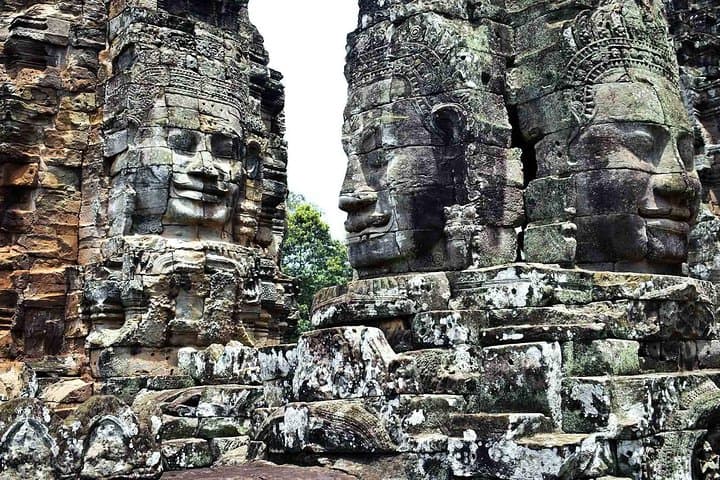
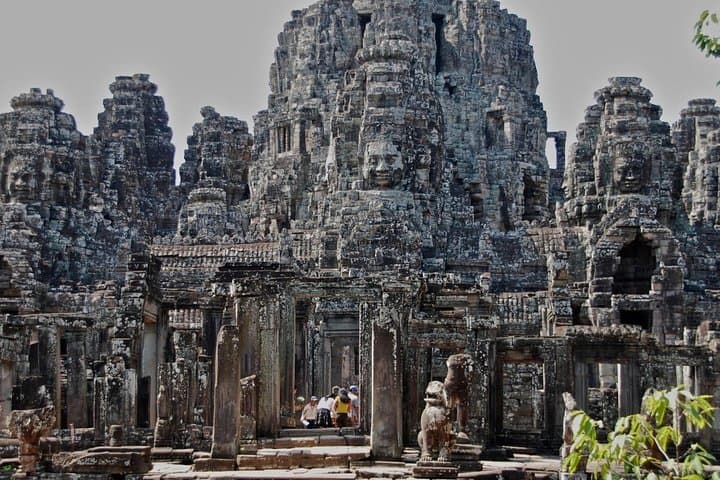
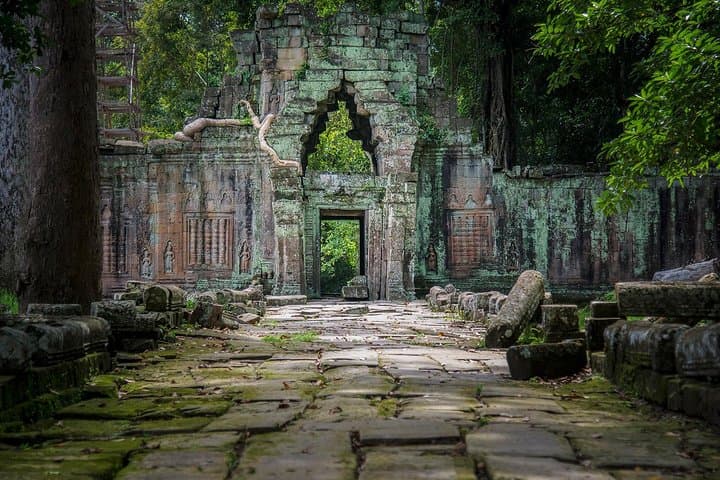
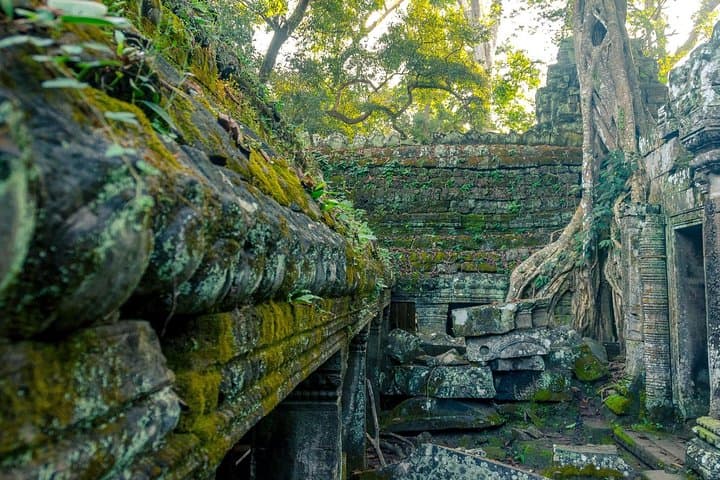
Angkor Wat was completed in the early 12th century under King Suryavarman II as a Hindu temple complex later transformed by Buddhism. Nearby, the Bayon’s 200‑plus smiling faces and Ta Prohm’s strangling tree roots tell a story of empire, abandonment, and re-discovery. On day two the landscape changes: Tonle Sap’s vast seasonal floodplain supports stilted houses, floating markets and an ecosystem unlike any other in Southeast Asia.
Practical guidance: purchase an Angkor Pass before arrival (ticket center near Siem Reap). Sunrise visits mean early pickup—expect a 4:30–6:00 a.m. start depending on the season. Dress respectfully: shoulders and knees covered are required at most temples; lightweight, breathable fabrics and a sun hat make long days comfortable. Wear sturdy walking shoes with good grip; temple steps and roots are uneven.
Expect mostly gentle walking with intermittent climbs of temple terraces; allow time for boat transfers on Tonle Sap and to move between sites by air‑conditioned vehicle. Bring small cash for local eateries and tipping guides, keep hydrated in the tropical heat, and give yourself space to slow down and read the stones—the best views reward patience.
moderate.
2 days.
Suitable for travelers with basic fitness: multiple hours of walking on uneven ground and short stair climbs; comfortable ambulation for 3–6 miles per day.
Yes—Angkor Passes are required for temple entry and can be purchased at the Angkor Ticket Center; purchase same day or in advance online through official channels.
Yes; the private format allows flexible pacing, but expect uneven terrain and steps—plan for slower walking and rest breaks as needed.
Admission is not included by default; confirm with the operator whether the Angkor Pass and any boat fees for Tonle Sap are covered in your booking.
Bring insect repellent, a hat, small bills for local purchases, and a waterproof bag for electronics—boat rides can be splashing and damp.
Angkor was the political and religious center of the Khmer Empire from the 9th to 15th centuries; Angkor Wat was built in the early 1100s under Suryavarman II and later adapted for Buddhist worship.
Heavy visitation stresses fragile stonework and local resources; follow marked paths, avoid climbing unapproved structures, and support licensed guides and community-run services to help local conservation.
Siem Reap Experience operates guided outdoor trips and adventures with an emphasis on safety, stewardship, and memorable experiences.
You step onto the cool stone causeway before dawn, camera in hand and the silhouette of Angkor Wat pressing against a pale sky. A private guide steers you through quiet corridors, pointing out bas-reliefs as the first light slides across the central towers. The air smells faintly of dust and frangipani; distant cocks and the soft lap of water at Tonle Sap frame the morning.
You step onto the cool stone causeway before dawn, camera in hand and the silhouette of Angkor Wat pressing against a pale sky. A private guide steers you through quiet corridors, pointing out bas-reliefs as the first light slides across the central towers. The air smells faintly of dust and frangipani; distant cocks and the soft lap of water at Tonle Sap frame the morning.
Angkor Wat was completed in the early 12th century under King Suryavarman II as a Hindu temple complex later transformed by Buddhism. Nearby, the Bayon’s 200‑plus smiling faces and Ta Prohm’s strangling tree roots tell a story of empire, abandonment, and re-discovery. On day two the landscape changes: Tonle Sap’s vast seasonal floodplain supports stilted houses, floating markets and an ecosystem unlike any other in Southeast Asia.
Practical guidance: purchase an Angkor Pass before arrival (ticket center near Siem Reap). Sunrise visits mean early pickup—expect a 4:30–6:00 a.m. start depending on the season. Dress respectfully: shoulders and knees covered are required at most temples; lightweight, breathable fabrics and a sun hat make long days comfortable. Wear sturdy walking shoes with good grip; temple steps and roots are uneven.
Expect mostly gentle walking with intermittent climbs of temple terraces; allow time for boat transfers on Tonle Sap and to move between sites by air‑conditioned vehicle. Bring small cash for local eateries and tipping guides, keep hydrated in the tropical heat, and give yourself space to slow down and read the stones—the best views reward patience.