THE ADVENTURE COLLECTIVE® · Independent discovery and booking for outdoor travel

Two days of focused Inca history and landscapes: Sacred Valley sites, a scenic train along the Vilcanota River and a guided visit to Machu Picchu. Perfect for travelers short on time who still want in-depth interpretation and smooth logistics.
Two days of focused Inca history and landscapes: Sacred Valley sites, a scenic train along the Vilcanota River and a guided visit to Machu Picchu. Perfect for travelers short on time who still want in-depth interpretation and smooth logistics.
You leave Cusco before dawn, the city’s stone ramparts shrinking behind you as the minivan climbs toward high puna and the patchwork terraces of the Sacred Valley.
Verified experiences and guided adventures in the surrounding area.
Operated by FLY CUSCO Perú Travel Agency · Aguas Calientes (Machupicchu Pueblo), Cusco
You leave Cusco before dawn, the city’s stone ramparts shrinking behind you as the minivan climbs toward high puna and the patchwork terraces of the Sacred Valley.
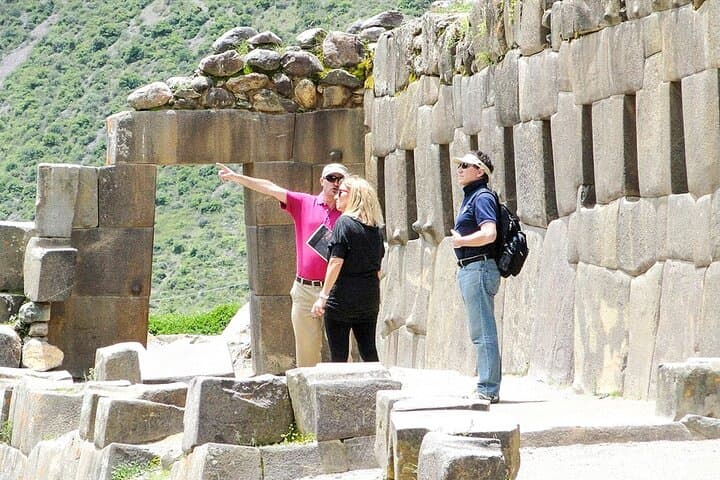
The first day threads through Inca places—textile workshops where alpacas nibble at the edge of the village, Pisac’s agricultural terraces clinging to the hillside at roughly 3,300 m, and a bustling market still organized by Andes time. Ollantaytambo’s fortress-like terraces and tight cobbled streets show the military and agricultural planning that kept the empire running.
Geology here is raw: steep river-cut canyons, volcanic-andesitic outcrops, and glacially carved cirques that guided Inca settlement patterns along the Urubamba (Vilcanota) river corridor.
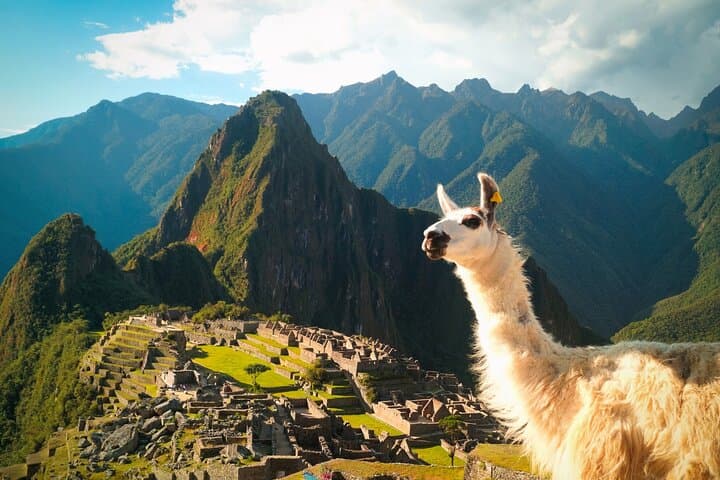
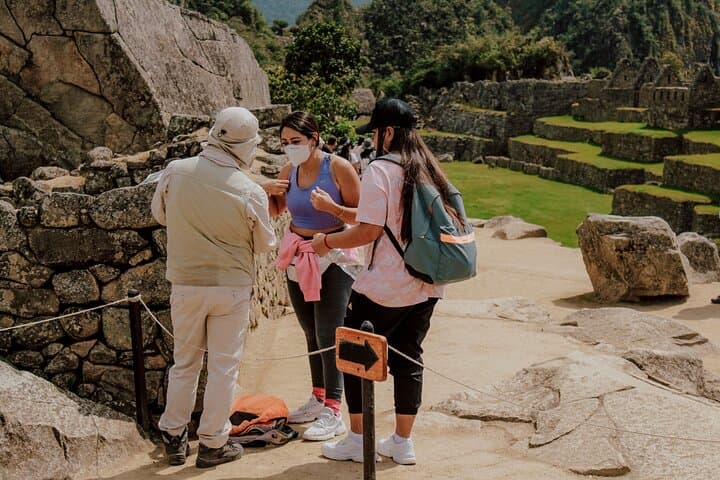
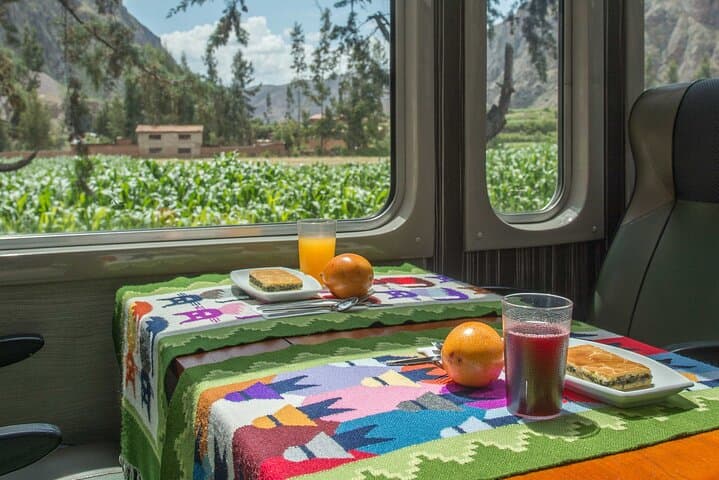
A late-afternoon scenic rail ride drops you to Aguas Calientes, the railway snaking beside the river as cloud forest encloses the valley. Early on day two a short bus climb delivers you to the Machu Picchu entrance (approx. 2,430 m). The citadel unfolds in stones: precisely cut walls, agricultural benches and water channels that speak to engineering more than mystique. A local guide narrates construction techniques, ritual spaces and daily life while you circulate through the main plaza, Temple of the Three Windows and the Intihuatana platform.
Practical edge: altitude acclimatization in Cusco (3,400 m) is wise; expect uneven stone steps, short steep stair climbs and variable weather. Bring layered clothing, sun protection and walk steadily—reserve extra time for photography and the return train.
This compact itinerary balances cultural context, accessible trekking and efficient logistics for travelers who want focused immersion in Inca landscapes.
moderate.
2 days.
Moderate fitness; able to walk on uneven stone steps and tolerate short stair climbs at altitude
Yes — full passport name, number, nationality and birth date are required to issue Machu Picchu and train tickets.
Cusco (≈3,400 m) is higher than Machu Picchu (≈2,430 m); shortness of breath is common—rest, hydrate and avoid alcohol prior to touring.
Breakfast and a buffet lunch in the Sacred Valley are included; lunch in Aguas Calientes and other meals are typically at your expense.
Infants and small children can participate; many streets and site sections use steps, so strollers are only practical in town areas.
The Sacred Valley was the agricultural heartland of the Inca state; settlements like Pisac and Ollantaytambo combined ritual, defense and food production.
Machu Picchu operates strict visitor quotas and regulated routes—stay on marked paths, carry out all waste and respect fragile terraces to reduce impact.
FLY CUSCO Perú Travel Agency operates guided outdoor trips and adventures with an emphasis on safety, stewardship, and memorable experiences.
You leave Cusco before dawn, the city’s stone ramparts shrinking behind you as the minivan climbs toward high puna and the patchwork terraces of the Sacred Valley.
You leave Cusco before dawn, the city’s stone ramparts shrinking behind you as the minivan climbs toward high puna and the patchwork terraces of the Sacred Valley.
The first day threads through Inca places—textile workshops where alpacas nibble at the edge of the village, Pisac’s agricultural terraces clinging to the hillside at roughly 3,300 m, and a bustling market still organized by Andes time. Ollantaytambo’s fortress-like terraces and tight cobbled streets show the military and agricultural planning that kept the empire running.
Geology here is raw: steep river-cut canyons, volcanic-andesitic outcrops, and glacially carved cirques that guided Inca settlement patterns along the Urubamba (Vilcanota) river corridor.
A late-afternoon scenic rail ride drops you to Aguas Calientes, the railway snaking beside the river as cloud forest encloses the valley. Early on day two a short bus climb delivers you to the Machu Picchu entrance (approx. 2,430 m). The citadel unfolds in stones: precisely cut walls, agricultural benches and water channels that speak to engineering more than mystique. A local guide narrates construction techniques, ritual spaces and daily life while you circulate through the main plaza, Temple of the Three Windows and the Intihuatana platform.
Practical edge: altitude acclimatization in Cusco (3,400 m) is wise; expect uneven stone steps, short steep stair climbs and variable weather. Bring layered clothing, sun protection and walk steadily—reserve extra time for photography and the return train.
This compact itinerary balances cultural context, accessible trekking and efficient logistics for travelers who want focused immersion in Inca landscapes.