THE ADVENTURE COLLECTIVE® · Independent discovery and booking for outdoor travel

A compact, private 2-day route through the Sacred Valley that combines Moray’s agricultural terraces, Maras’ salt pans, Ollantaytambo’s fortress, and an early-entrance guided visit to Machu Picchu. Ideal for travelers who want a focused Inca experience with train travel and comfortable overnighting in Aguas Calientes.
A compact, private 2-day route through the Sacred Valley that combines Moray’s agricultural terraces, Maras’ salt pans, Ollantaytambo’s fortress, and an early-entrance guided visit to Machu Picchu. Ideal for travelers who want a focused Inca experience with train travel and comfortable overnighting in Aguas Calientes.
Dawn breaks over the Andean ridges as your private vehicle hums out of Cusco and the Sacred Valley opens like a living map of stone and river. Terraced slopes step down into green bowls, and the salt pans at Maras sparkle like a patchwork of tiny mirrors daring you to look closer. By midday you’re standing on weathered granite at Ollantaytambo, where Inca masonry pins terraces to the mountain and the river pushes forward below.
Verified experiences and guided adventures in the surrounding area.
Operated by Peru Viva · Cusco, Cusco Region
Dawn breaks over the Andean ridges as your private vehicle hums out of Cusco and the Sacred Valley opens like a living map of stone and river. Terraced slopes step down into green bowls, and the salt pans at Maras sparkle like a patchwork of tiny mirrors daring you to look closer. By midday you’re standing on weathered granite at Ollantaytambo, where Inca masonry pins terraces to the mountain and the river pushes forward below.
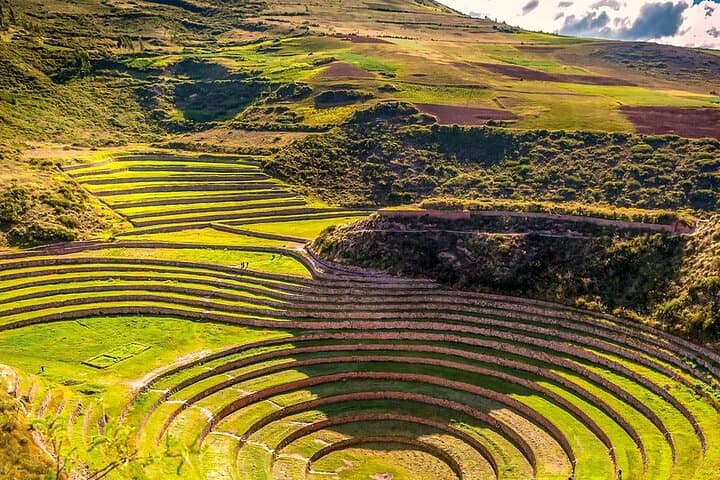
This two-day itinerary threads through Inca ingenuity and highland geology. Moray’s concentric agricultural platforms reveal experimental microclimates; Maras’ evaporative ponds speak to pre-Columbian industry; Machu Picchu—carved from volcanic and limestone beds—sits astride a ridge, its plazas and temples aligned with mountain ridgelines sacred to the Incas.
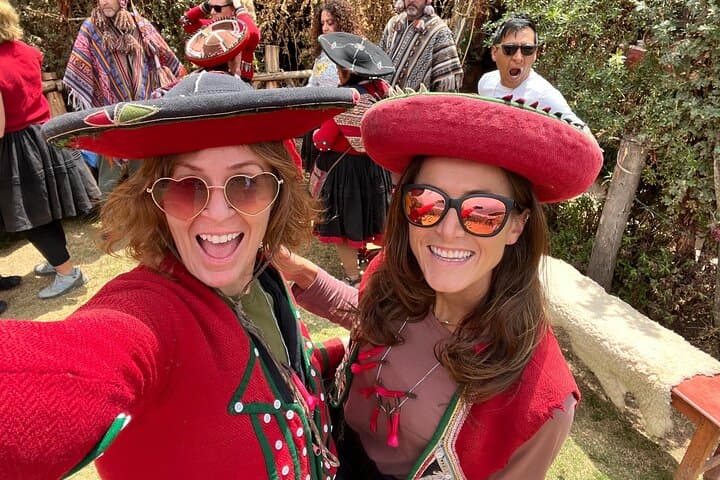
Culturally, the valley is active—Quechua communities keep weaving and farming traditions alive, and markets in Urubamba offer fresh produce and alpaca textiles.
Practically: expect altitude (Cusco ~3,400 m; Machu Picchu 2,430 m), early starts, and a mix of paved roads, train travel, and stepped archaeological sites. Bring a light daypack, water, sturdy shoes with good grip, and your passport (required for entrance). Time visits early to beat crowds and afternoon storms; layers are essential for chilly mornings and warm afternoons. Hydrate well in the 24 hours before departure and move at a steady, measured pace on steep stone steps. This private service includes guided time at each site, transfers, two lunches, breakfast, and one night in Aguas Calientes—an efficient way to experience the Sacred Valley’s history and the powerful presence of Machu Picchu without cutting corners.
moderate.
2 days.
Moderate fitness: able to walk several hours across uneven stone terraces and climb multiple flights of steep steps at altitude.
Yes—your passport is checked at the Machu Picchu entrance and must match the name on your ticket.
The guided circuit involves several hours and many steep stone steps; it’s strenuous for those unaccustomed to altitude but manageable with steady pacing and rest breaks.
This private tour includes the train segment between Ollantaytambo and Aguas Calientes as described in the itinerary.
Yes—operators typically accommodate dietary needs if informed at booking; provide details in the special requirements field.
The Sacred Valley was a critical agricultural and administrative area for the Incas; sites like Moray and Ollantaytambo show sophisticated engineering used to feed and control the empire.
Visitor limits and regulated entry times at Machu Picchu help protect fragile stone structures and trails; stay on marked paths and minimize plastic waste to reduce impact.
Peru Viva operates guided outdoor trips and adventures with an emphasis on safety, stewardship, and memorable experiences.
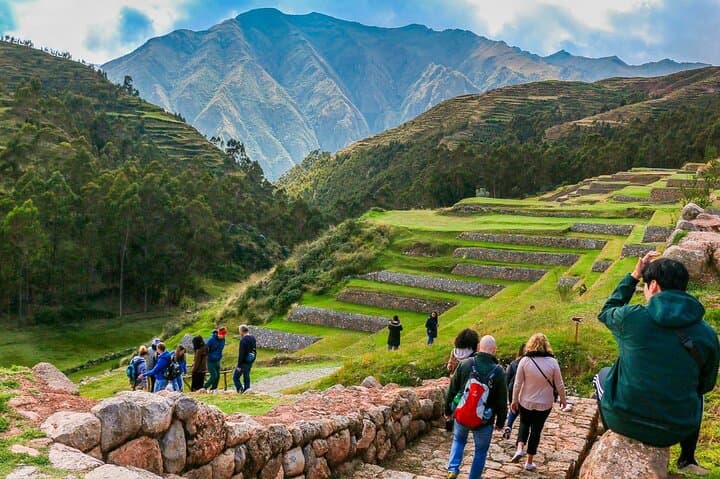
Dawn breaks over the Andean ridges as your private vehicle hums out of Cusco and the Sacred Valley opens like a living map of stone and river. Terraced slopes step down into green bowls, and the salt pans at Maras sparkle like a patchwork of tiny mirrors daring you to look closer. By midday you’re standing on weathered granite at Ollantaytambo, where Inca masonry pins terraces to the mountain and the river pushes forward below.
Dawn breaks over the Andean ridges as your private vehicle hums out of Cusco and the Sacred Valley opens like a living map of stone and river. Terraced slopes step down into green bowls, and the salt pans at Maras sparkle like a patchwork of tiny mirrors daring you to look closer. By midday you’re standing on weathered granite at Ollantaytambo, where Inca masonry pins terraces to the mountain and the river pushes forward below.
This two-day itinerary threads through Inca ingenuity and highland geology. Moray’s concentric agricultural platforms reveal experimental microclimates; Maras’ evaporative ponds speak to pre-Columbian industry; Machu Picchu—carved from volcanic and limestone beds—sits astride a ridge, its plazas and temples aligned with mountain ridgelines sacred to the Incas.
Culturally, the valley is active—Quechua communities keep weaving and farming traditions alive, and markets in Urubamba offer fresh produce and alpaca textiles.
Practically: expect altitude (Cusco ~3,400 m; Machu Picchu 2,430 m), early starts, and a mix of paved roads, train travel, and stepped archaeological sites. Bring a light daypack, water, sturdy shoes with good grip, and your passport (required for entrance). Time visits early to beat crowds and afternoon storms; layers are essential for chilly mornings and warm afternoons. Hydrate well in the 24 hours before departure and move at a steady, measured pace on steep stone steps. This private service includes guided time at each site, transfers, two lunches, breakfast, and one night in Aguas Calientes—an efficient way to experience the Sacred Valley’s history and the powerful presence of Machu Picchu without cutting corners.