THE ADVENTURE COLLECTIVE® · Independent discovery and booking for outdoor travel

Experience the sacred heart of the Inca world on this private two-day itinerary from Cusco. Explore Pisac and Ollantaytambo, ride the scenic train to Aguas Calientes, and spend a guided morning at Machu Picchu with time to explore on your own.
Experience the sacred heart of the Inca world on this private two-day itinerary from Cusco. Explore Pisac and Ollantaytambo, ride the scenic train to Aguas Calientes, and spend a guided morning at Machu Picchu with time to explore on your own.
Morning light slices the Andean ridge as your private vehicle threads the Sacred Valley—terraced fields rising like stone steps and a river that dares you to look away. On day one the route moves from the hilltop ruins of Pisac down to the orderly plazas of Ollantaytambo, where carved stone blocks and steep terraces speak to centuries of agricultural engineering and imperial planning.
Verified experiences and guided adventures in the surrounding area.
Operated by Chullos Travel Peru · Aguas Calientes (Machupicchu Pueblo), Cusco
Morning light slices the Andean ridge as your private vehicle threads the Sacred Valley—terraced fields rising like stone steps and a river that dares you to look away. On day one the route moves from the hilltop ruins of Pisac down to the orderly plazas of Ollantaytambo, where carved stone blocks and steep terraces speak to centuries of agricultural engineering and imperial planning.
This corridor was the Inca heartland, shaped by Pachacuti-era builders and by pre-Inca communities who first shaped the high valleys for maize and quinoa. Geologically the valley is a fold in the easternmost Andes; rivers have cut deep ravines and left flat, fertile benches that the Incas expanded into the stepped fields you’ll see. Local Quechua culture remains visible—market stalls, handwoven textiles, and traditional corn-based dishes served at lunches in Urubamba and Aguas Calientes.
Practical guidance: trains run on fixed schedules from Ollantaytambo to Aguas Calientes—bookings are included but Machu Picchu entry is controlled by Peru’s Ministry of Culture and subject to circuit availability, so confirm tickets early. Expect 2–4 hours of guided walking across uneven stone stairways at Machu Picchu; the tour’s pace is gentle but the altitude (Cusco ~3,400 m) requires a day of acclimatization and steady hydration.
Pack a light rain shell and sturdy, grippy shoes, carry water and sunscreen, and plan early morning access to avoid crowds. Respect signposted routes—the site’s preservation depends on staying on designated trails. This two-day itinerary balances transport, interpretation, and free time so you leave with context, photos, and a clear sense of why this valley shaped an empire.
easy.
2 days.
Suitable for travelers comfortable walking 2–4 hours over uneven stone surfaces and short stair sections; allow for altitude effects.
Tickets are purchased on your behalf when available, but all entries are controlled by Peru’s Ministry of Culture so availability depends on issued circuits; if tickets cannot be obtained you’ll receive a full refund.
The tour involves moderate walking on uneven surfaces and stone steps but is designed for most fitness levels; altitude is the primary challenge—acclimatize in Cusco first.
Those climbs require separate, limited tickets and advance reservation; discuss availability before booking—additional fees may apply.
Trains can be affected by weather; the operator will rebook when possible and your tour operator will adjust transfers, but expect schedule flexibility in wet season.
The Sacred Valley was an agricultural and ceremonial core for the Inca empire, while Machu Picchu was built in the 15th century—likely as a royal estate and religious site.
Visitor numbers are regulated by timed circuits; stay on designated paths, avoid single-use plastics, and follow guide instructions to protect fragile stonework and local ecosystems.
Chullos Travel Peru operates guided outdoor trips and adventures with an emphasis on safety, stewardship, and memorable experiences.
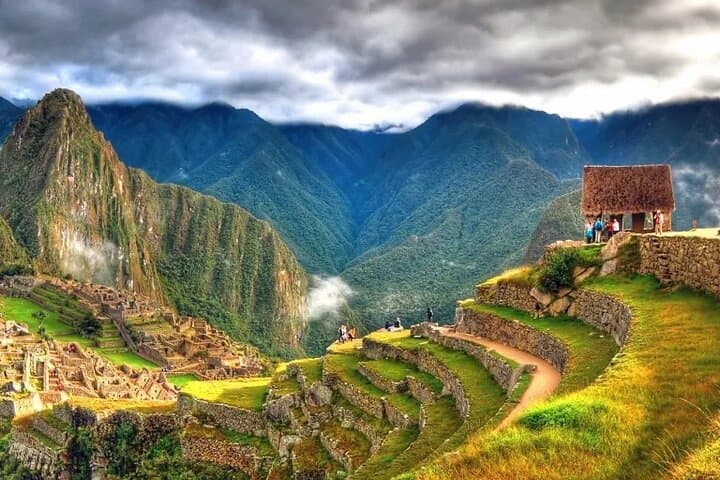
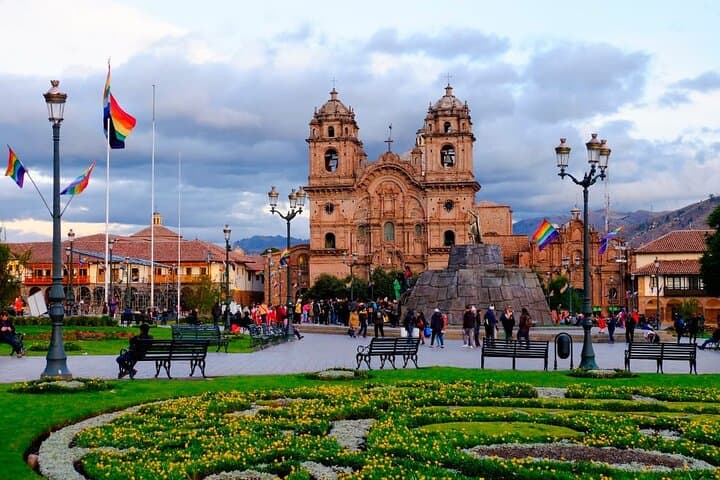
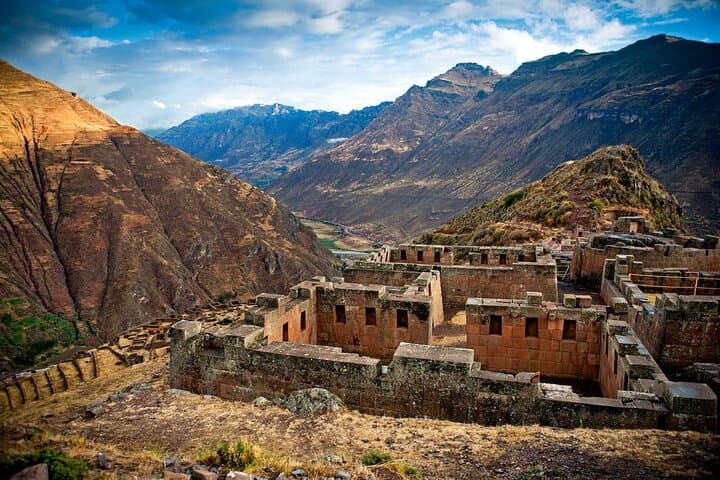
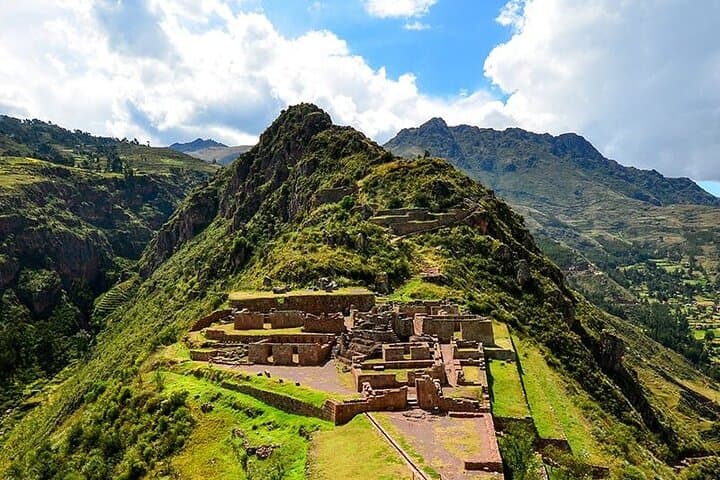
Morning light slices the Andean ridge as your private vehicle threads the Sacred Valley—terraced fields rising like stone steps and a river that dares you to look away. On day one the route moves from the hilltop ruins of Pisac down to the orderly plazas of Ollantaytambo, where carved stone blocks and steep terraces speak to centuries of agricultural engineering and imperial planning.
Morning light slices the Andean ridge as your private vehicle threads the Sacred Valley—terraced fields rising like stone steps and a river that dares you to look away. On day one the route moves from the hilltop ruins of Pisac down to the orderly plazas of Ollantaytambo, where carved stone blocks and steep terraces speak to centuries of agricultural engineering and imperial planning.
This corridor was the Inca heartland, shaped by Pachacuti-era builders and by pre-Inca communities who first shaped the high valleys for maize and quinoa. Geologically the valley is a fold in the easternmost Andes; rivers have cut deep ravines and left flat, fertile benches that the Incas expanded into the stepped fields you’ll see. Local Quechua culture remains visible—market stalls, handwoven textiles, and traditional corn-based dishes served at lunches in Urubamba and Aguas Calientes.
Practical guidance: trains run on fixed schedules from Ollantaytambo to Aguas Calientes—bookings are included but Machu Picchu entry is controlled by Peru’s Ministry of Culture and subject to circuit availability, so confirm tickets early. Expect 2–4 hours of guided walking across uneven stone stairways at Machu Picchu; the tour’s pace is gentle but the altitude (Cusco ~3,400 m) requires a day of acclimatization and steady hydration.
Pack a light rain shell and sturdy, grippy shoes, carry water and sunscreen, and plan early morning access to avoid crowds. Respect signposted routes—the site’s preservation depends on staying on designated trails. This two-day itinerary balances transport, interpretation, and free time so you leave with context, photos, and a clear sense of why this valley shaped an empire.