THE ADVENTURE COLLECTIVE® · Independent discovery and booking for outdoor travel

A compact, two-day guided trek from Pokhara to Panchase delivers a sunrise summit above the Annapurna range, village homestays, and ridgewalking through forest and pasture. Ideal for travelers who want big Himalayan views on a short, culturally rich route.
A compact, two-day guided trek from Pokhara to Panchase delivers a sunrise summit above the Annapurna range, village homestays, and ridgewalking through forest and pasture. Ideal for travelers who want big Himalayan views on a short, culturally rich route.
Dawn arrives cold and sharp on Panchase, the ridge uncoiling above Pokhara as headlamps fade and Himalaya peaks ignite in gold. You start at Kande, a short drive from the lakeside bustle, and walk through terraced fields and small villages where dogs lift their heads and smoke curls from clay stoves. The trail climbs steady—switchbacks, forested sections, and open pastures—rewarding each pedal with widening views of Annapurna and Machapuchare.
Verified experiences and guided adventures in the surrounding area.
Operated by Crystal Holidays Nepal · Pokhara, Gandaki Province
Dawn arrives cold and sharp on Panchase, the ridge uncoiling above Pokhara as headlamps fade and Himalaya peaks ignite in gold. You start at Kande, a short drive from the lakeside bustle, and walk through terraced fields and small villages where dogs lift their heads and smoke curls from clay stoves. The trail climbs steady—switchbacks, forested sections, and open pastures—rewarding each pedal with widening views of Annapurna and Machapuchare.
Panchase sits on a ridge that divides Pokhara Valley from the Seti watershed; geologically it’s older foothill terrain, shaped by uplift and monsoon erosion. Culturally the area is home to Gurung and Magar communities; small temples and village homestays give the route a lived-in, human scale. The summit hosts Panchase Temple, long used as a local pilgrimage site and now a popular viewpoint for sunrise.
Expect about 13 km on day one with roughly 1,200–1,400 m cumulative elevation gain spread over two days, and a short pre-dawn ascent to the 2,500 m peak on day two. Trails are mostly singletrack and packed dirt, with occasional rocky steps—good boots and trekking poles smooth the way. Hydrate early, start the summit push before first light to beat clouds, and keep a rain shell handy: the ridge can be exposed and weather shifts fast.
Accommodation is basic guesthouse comfort; food is Nepali home-style fare. This private, guided itinerary is accessible to fit beginners willing to sustain uphill walking; it’s an efficient two-day window into the Annapurna foothills with big mountain payoffs.
moderate.
2 days.
Suitable for hikers who can sustain 3–6 hours of walking with steady uphill grades; basic cardiovascular fitness and no serious joint issues recommended
The route is rated moderate: steady climbs and 13 km on day one, with a short steep push to the Panchase summit on day two; a guide manages pace and logistics.
Overnight is in local guesthouses at Panchase Bhanjyang offering basic rooms and home-cooked meals.
Peak altitude is about 2,500 m—most travelers do fine, but acclimatize, hydrate, and alert your guide to symptoms of altitude sickness.
After descending to Ghatichhina you take a shared bus back to Pokhara; the operator arranges transfers to your hotel on arrival.
Panchase is a traditional pilgrimage ridge with a temple used by Gurung and Magar communities; the trail links villages that have long managed the upland pastures.
The Panchase area lies within a conservation corridor focused on watershed protection and community-based tourism; stick to trails and minimize waste to support local stewardship.
Crystal Holidays Nepal operates guided outdoor trips and adventures with an emphasis on safety, stewardship, and memorable experiences.
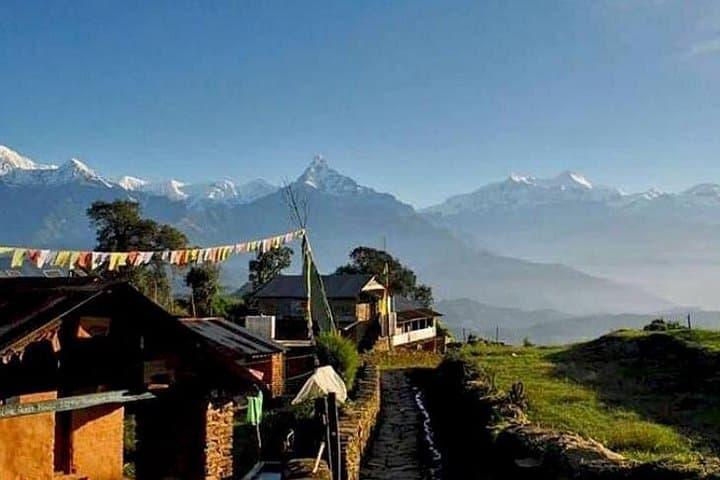
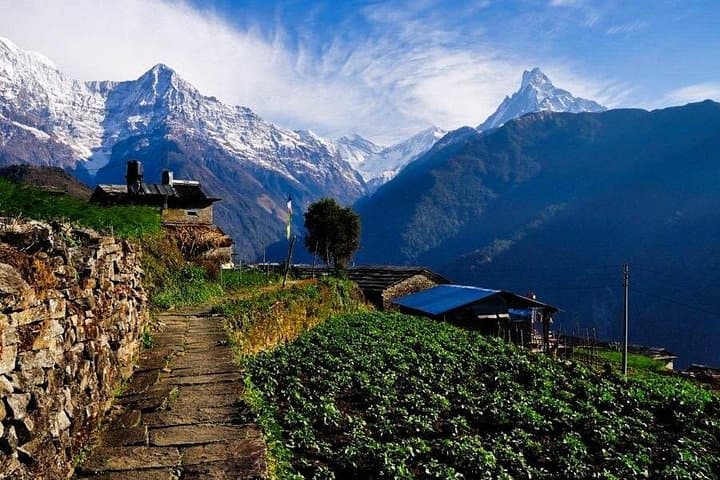
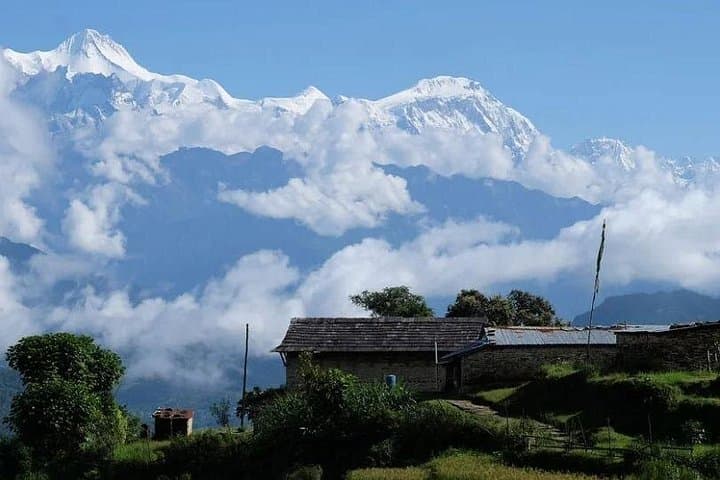
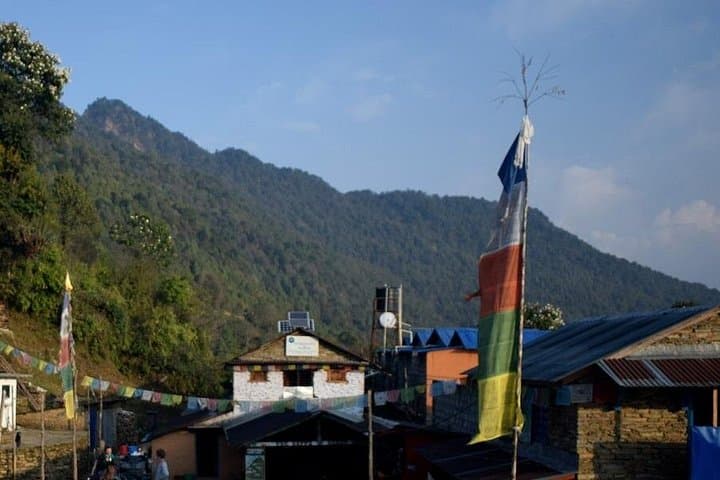
Dawn arrives cold and sharp on Panchase, the ridge uncoiling above Pokhara as headlamps fade and Himalaya peaks ignite in gold. You start at Kande, a short drive from the lakeside bustle, and walk through terraced fields and small villages where dogs lift their heads and smoke curls from clay stoves. The trail climbs steady—switchbacks, forested sections, and open pastures—rewarding each pedal with widening views of Annapurna and Machapuchare.
Dawn arrives cold and sharp on Panchase, the ridge uncoiling above Pokhara as headlamps fade and Himalaya peaks ignite in gold. You start at Kande, a short drive from the lakeside bustle, and walk through terraced fields and small villages where dogs lift their heads and smoke curls from clay stoves. The trail climbs steady—switchbacks, forested sections, and open pastures—rewarding each pedal with widening views of Annapurna and Machapuchare.
Panchase sits on a ridge that divides Pokhara Valley from the Seti watershed; geologically it’s older foothill terrain, shaped by uplift and monsoon erosion. Culturally the area is home to Gurung and Magar communities; small temples and village homestays give the route a lived-in, human scale. The summit hosts Panchase Temple, long used as a local pilgrimage site and now a popular viewpoint for sunrise.
Expect about 13 km on day one with roughly 1,200–1,400 m cumulative elevation gain spread over two days, and a short pre-dawn ascent to the 2,500 m peak on day two. Trails are mostly singletrack and packed dirt, with occasional rocky steps—good boots and trekking poles smooth the way. Hydrate early, start the summit push before first light to beat clouds, and keep a rain shell handy: the ridge can be exposed and weather shifts fast.
Accommodation is basic guesthouse comfort; food is Nepali home-style fare. This private, guided itinerary is accessible to fit beginners willing to sustain uphill walking; it’s an efficient two-day window into the Annapurna foothills with big mountain payoffs.