THE ADVENTURE COLLECTIVE® · Independent discovery and booking for outdoor travel

See all five D‑Day landing beaches in two days with a private guide. This itinerary pairs battlefield interpretation with coastal geology and thoughtful time at memorials and cemeteries.
See all five D‑Day landing beaches in two days with a private guide. This itinerary pairs battlefield interpretation with coastal geology and thoughtful time at memorials and cemeteries.
The morning light in Normandy strips the beach of illusion: sand stretches wide, low cliffs stand patient, and the sea keeps its indifferent rhythm as you move from one landing sector to the next.
Verified experiences and guided adventures in the surrounding area.
Operated by Destination Normandy - Dominique Fiquet · Bayeux, Calvados
The morning light in Normandy strips the beach of illusion: sand stretches wide, low cliffs stand patient, and the sea keeps its indifferent rhythm as you move from one landing sector to the next.
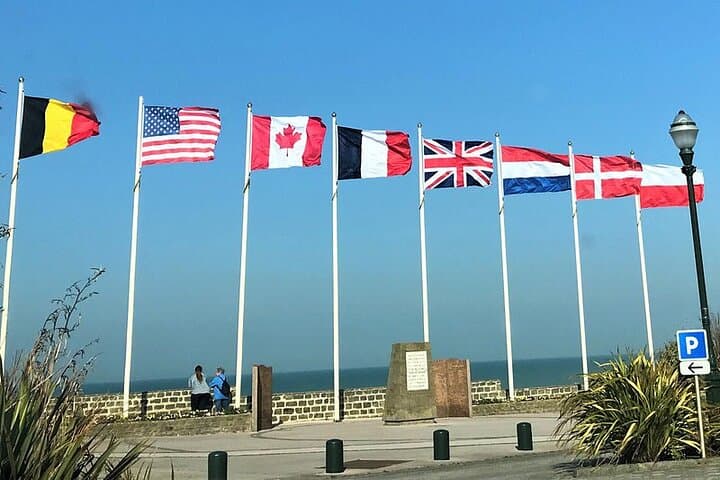
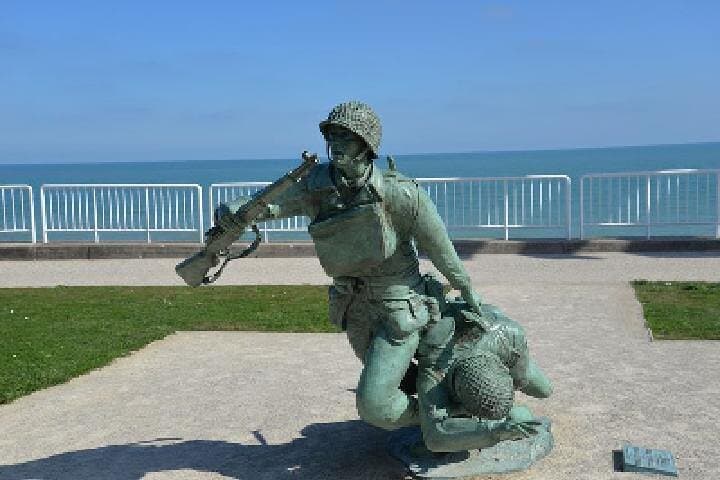
Over two days this private tour threads the American, British and Canadian sectors—Utah, Omaha, Pointe du Hoc, Gold, Juno and Sword—letting the landscape tell the operational story of D-Day alongside your guide. Geology here is straightforward: chalk cliffs, tidal flats and pebble spits shaped the planning and the fighting. Culture and memory layer the coast—villages like Sainte-Mère-Église still show the marks of airborne operations while Arromanches bears the engineering footprint of the Mulberry harbor.
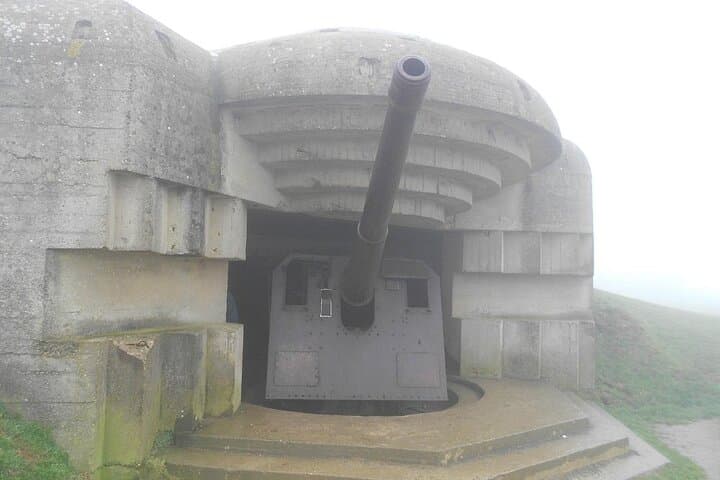
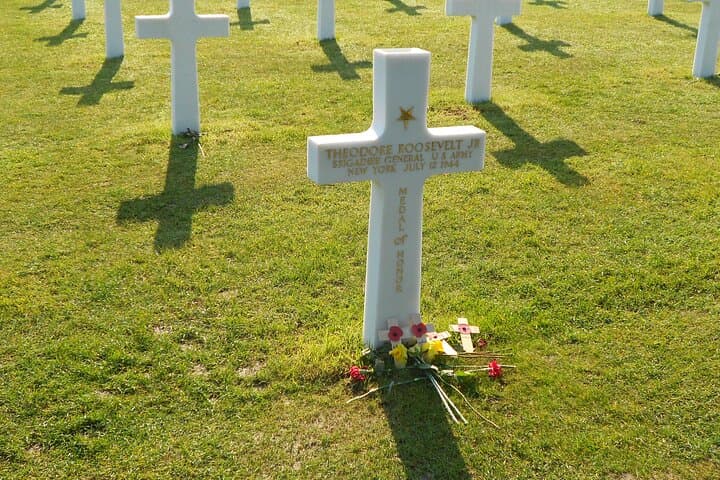
History is the trip’s engine: you’ll stand at the Omaha bluffs above thousands of graves at the American Cemetery, trace glider and parachute landings around Pegasus Bridge, and see the Ranger climbs at Pointe du Hoc. Local insights include the role of Cherbourg’s port, the German defensive batteries, and how seasonal tides changed assault windows.
Practical guidance: the tour includes private air-conditioned transport and a professional guide; hotels and meals are not included. Expect several short walks on uneven ground and cliff-top viewpoints—good footwear and layered clothing are necessary. Respect memorial rules: no metal-detecting, leave artifacts in place, and maintain silence in cemeteries. Plan for changeable weather—spring and autumn can be windy and wet—and allow time after visits for reflection in small coastal towns like Arromanches and Bayeux.
moderate.
2 days.
Moderate fitness; able to walk short distances (5–30 minutes) over uneven ground and climb short stairways.
Yes—the tour includes private, air-conditioned transport and pickup in the Bayeux/Caen area; confirm exact pickup point with the operator.
No—meals and accommodation are not included; the tour runs across two days and requires separate lodging arrangements.
Many sites involve uneven ground, stairs and short walks; the supplier notes it is not recommended for travelers with serious spinal or heart problems.
Some stops include commentary and external visits; paid admissions may not be covered—check with the operator during booking for specifics.
June 6, 1944, saw the largest amphibious invasion in history; Allied planners paired naval landings with airborne operations and temporary Mulberry harbors to sustain the advance.
Memorials and beaches are protected; visitors should stay on marked paths, avoid collecting wartime artifacts, and follow site-specific rules to preserve historical and ecological resources.
Destination Normandy - Dominique Fiquet operates guided outdoor trips and adventures with an emphasis on safety, stewardship, and memorable experiences.
The morning light in Normandy strips the beach of illusion: sand stretches wide, low cliffs stand patient, and the sea keeps its indifferent rhythm as you move from one landing sector to the next.
The morning light in Normandy strips the beach of illusion: sand stretches wide, low cliffs stand patient, and the sea keeps its indifferent rhythm as you move from one landing sector to the next.
Over two days this private tour threads the American, British and Canadian sectors—Utah, Omaha, Pointe du Hoc, Gold, Juno and Sword—letting the landscape tell the operational story of D-Day alongside your guide. Geology here is straightforward: chalk cliffs, tidal flats and pebble spits shaped the planning and the fighting. Culture and memory layer the coast—villages like Sainte-Mère-Église still show the marks of airborne operations while Arromanches bears the engineering footprint of the Mulberry harbor.
History is the trip’s engine: you’ll stand at the Omaha bluffs above thousands of graves at the American Cemetery, trace glider and parachute landings around Pegasus Bridge, and see the Ranger climbs at Pointe du Hoc. Local insights include the role of Cherbourg’s port, the German defensive batteries, and how seasonal tides changed assault windows.
Practical guidance: the tour includes private air-conditioned transport and a professional guide; hotels and meals are not included. Expect several short walks on uneven ground and cliff-top viewpoints—good footwear and layered clothing are necessary. Respect memorial rules: no metal-detecting, leave artifacts in place, and maintain silence in cemeteries. Plan for changeable weather—spring and autumn can be windy and wet—and allow time after visits for reflection in small coastal towns like Arromanches and Bayeux.