THE ADVENTURE COLLECTIVE® · Independent discovery and booking for outdoor travel

A private 2-day transfer tour from Casablanca to Marrakech that pairs iconic sites—Majorelle, Bahia Palace, Jemaa el-Fnaa—with hands-on experiences like a cooking class or hammam and a camel ride in the palm grove. Ideal for travelers who want guided history, riad accommodation, and practical logistics handled.
A private 2-day transfer tour from Casablanca to Marrakech that pairs iconic sites—Majorelle, Bahia Palace, Jemaa el-Fnaa—with hands-on experiences like a cooking class or hammam and a camel ride in the palm grove. Ideal for travelers who want guided history, riad accommodation, and practical logistics handled.
The road unwinds from Casablanca’s Atlantic edge and, after about three hours, the palm groves around Marrakech begin to assert themselves: a low, rhythmic forest that seems to breathe as you approach the city’s clay-red skyline and the Koutoubia’s minaret punctures the horizon.
Verified experiences and guided adventures in the surrounding area.
Operated by Premium Transfers and Tours Travel · Marrakech, Marrakesh-Safi
The road unwinds from Casablanca’s Atlantic edge and, after about three hours, the palm groves around Marrakech begin to assert themselves: a low, rhythmic forest that seems to breathe as you approach the city’s clay-red skyline and the Koutoubia’s minaret punctures the horizon.
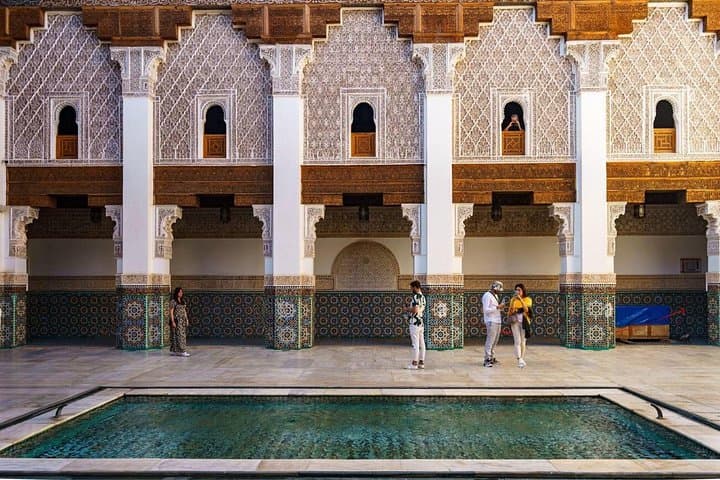
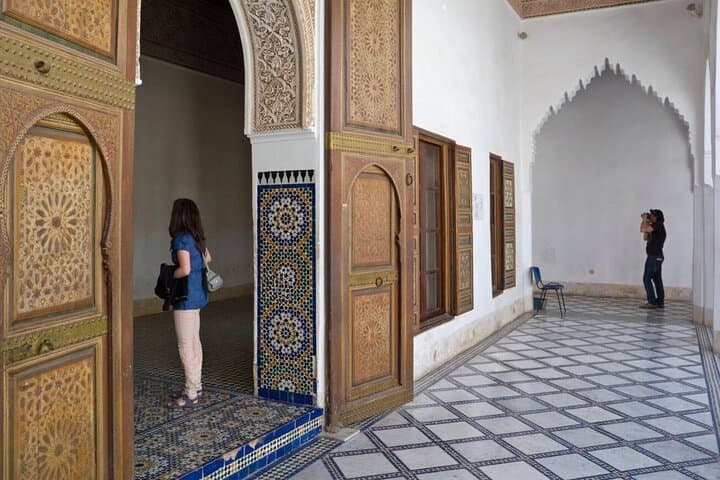
Over two days you move from wide avenues into the Medina’s labyrinth—carved gates, tiled courtyards and alleys where spice-scented wind pushes you forward. The itinerary pairs architectural highlights (Bahia Palace, Ben Youssef Madrasa) with sensory stops: Majorelle Garden’s cobalt structures, a dusk-lit Jemaa el-Fnaa alive with performers, and a camel ride in a nearby palm grove that reminds you the region bridges urban life and traditional desert culture.
Marrakech sits on the northern edge of the High Atlas foothills; its red earth and defensive walls reflect centuries of Almohad and Saadian influence, and the Medina is part of a UNESCO-designated historic core. Local craft culture remains vibrant—leatherwork, carved cedar, and riad owners preserving traditional guesthouse hospitality.
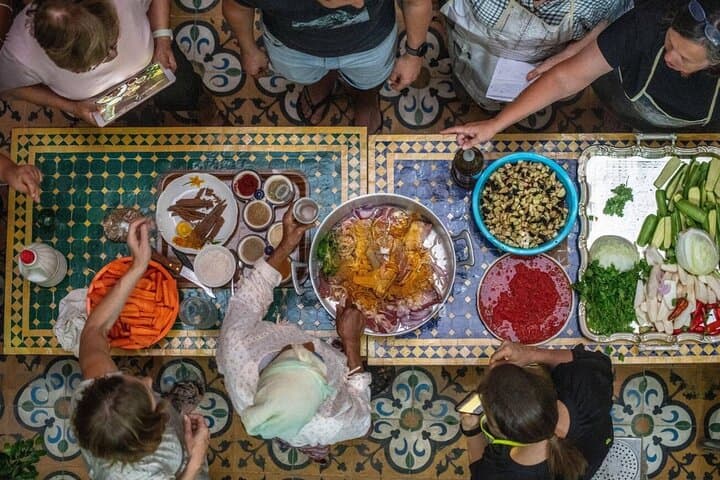
Practical guidance: the tour includes hotel pickup from Casablanca, riad accommodation in Marrakech, entrance fees to key sites, and a local historian-guide. Expect a lot of walking on uneven cobbles; comfortable shoes and a daypack are essential. Bring cash for souks, allow time for bargaining, and choose the included cooking class or a restorative hammam depending on energy levels. Hydrate in the dry climate, respect modest dress in religious sites, and plan to move at the city’s rhythm—fast through the souks, slow in the gardens.
easy.
48 hours.
Suitable for travelers comfortable with several hours of walking over two days; minimal sustained exertion.
Yes—the tour includes pickup and drop-off in Casablanca city center as stated in the inclusions.
Yes—the itinerary offers a choice between the included cooking class or a 2-hour traditional hammam at no extra charge.
Entrance fees for Majorelle Garden, Bahia Palace and the listed sites are included in the tour price per the itinerary.
The tour is family-friendly but involves walking on uneven surfaces; contact the operator ahead for accessibility accommodations and infant seats are available.
Marrakech grew into a major imperial city under the Almohad dynasty; its Koutoubia and city walls reflect medieval defensive and religious priorities, and the Medina is a UNESCO historic site.
Water is scarce—favor establishments that limit excessive washing and single-use plastics. Support local artisans and registered guides to ensure economic benefits stay in the community.
Premium Transfers and Tours Travel operates guided outdoor trips and adventures with an emphasis on safety, stewardship, and memorable experiences.
The road unwinds from Casablanca’s Atlantic edge and, after about three hours, the palm groves around Marrakech begin to assert themselves: a low, rhythmic forest that seems to breathe as you approach the city’s clay-red skyline and the Koutoubia’s minaret punctures the horizon.
The road unwinds from Casablanca’s Atlantic edge and, after about three hours, the palm groves around Marrakech begin to assert themselves: a low, rhythmic forest that seems to breathe as you approach the city’s clay-red skyline and the Koutoubia’s minaret punctures the horizon.
Over two days you move from wide avenues into the Medina’s labyrinth—carved gates, tiled courtyards and alleys where spice-scented wind pushes you forward. The itinerary pairs architectural highlights (Bahia Palace, Ben Youssef Madrasa) with sensory stops: Majorelle Garden’s cobalt structures, a dusk-lit Jemaa el-Fnaa alive with performers, and a camel ride in a nearby palm grove that reminds you the region bridges urban life and traditional desert culture.
Marrakech sits on the northern edge of the High Atlas foothills; its red earth and defensive walls reflect centuries of Almohad and Saadian influence, and the Medina is part of a UNESCO-designated historic core. Local craft culture remains vibrant—leatherwork, carved cedar, and riad owners preserving traditional guesthouse hospitality.
Practical guidance: the tour includes hotel pickup from Casablanca, riad accommodation in Marrakech, entrance fees to key sites, and a local historian-guide. Expect a lot of walking on uneven cobbles; comfortable shoes and a daypack are essential. Bring cash for souks, allow time for bargaining, and choose the included cooking class or a restorative hammam depending on energy levels. Hydrate in the dry climate, respect modest dress in religious sites, and plan to move at the city’s rhythm—fast through the souks, slow in the gardens.