THE ADVENTURE COLLECTIVE® · Independent discovery and booking for outdoor travel

Two days that pack Inca engineering, highland markets and the main Machu Picchu circuit into a private, guided experience from Cusco. Expect early starts, high-altitude walking on uneven stone, and a mix of vehicle, train and shuttle transfers.
Two days that pack Inca engineering, highland markets and the main Machu Picchu circuit into a private, guided experience from Cusco. Expect early starts, high-altitude walking on uneven stone, and a mix of vehicle, train and shuttle transfers.
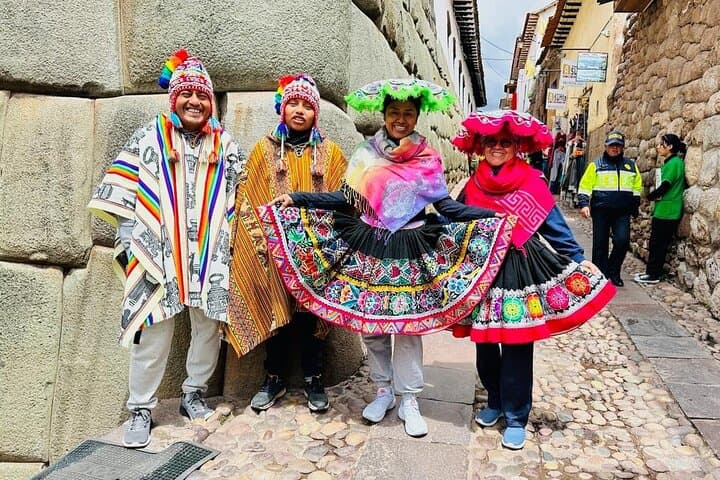
Morning light hits the high plazas as your driver threads the narrow road out of Cusco and into the Sacred Valley. The Urubamba River runs low and bright below stone terraces that seem to climb the mountains, urging you forward. You move from colorful market stalls in Pisac to the buttressed stonework of Ollantaytambo, then board a hillside train that carries you down to Aguas Calientes for a brief, expectant night.
Verified experiences and guided adventures in the surrounding area.
Operated by Visit and Travel Peru, los tour mas maravillosos · Cusco, Cusco
Morning light hits the high plazas as your driver threads the narrow road out of Cusco and into the Sacred Valley. The Urubamba River runs low and bright below stone terraces that seem to climb the mountains, urging you forward. You move from colorful market stalls in Pisac to the buttressed stonework of Ollantaytambo, then board a hillside train that carries you down to Aguas Calientes for a brief, expectant night.
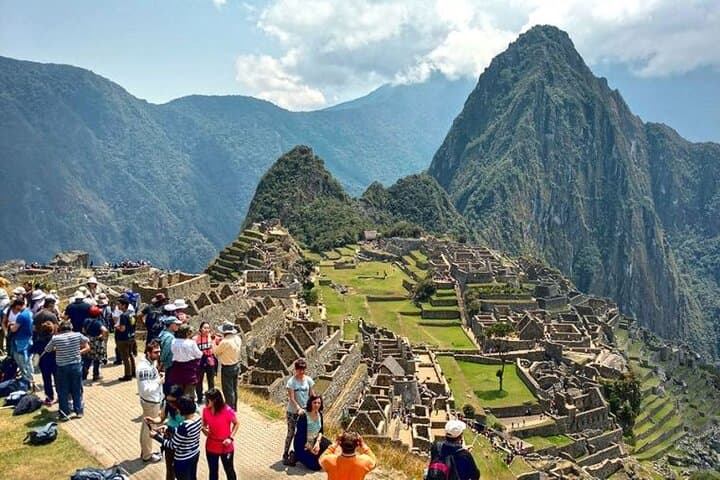
Machu Picchu arrives the next day like an archaeological film frame: agricultural terraces, trapezoidal doors, and carefully cut andesite blocks organized around plazas and temples. Built in the mid-15th century, the site sits where Andean geology—steep granite ridges and deep river gorges—meets engineered agriculture; nearby Moray and the salt pans at Maras speak to Inca experimentation with microclimates.
Practically, this is a fast two-day cultural trek: expect a guided 2–2.5 hour circuit inside Machu Picchu, shuttle bus rides of roughly 25 minutes each way, and train segments between Ollantaytambo and Aguas Calientes. Altitude matters—Cusco is ~3,400 m and Machu Picchu ~2,430 m—so pace yourself, hydrate, and plan for uneven stone stairways and 2–4 miles of walking across rough terrain. Book entry and train tickets well in advance: availability is limited and often sold out.
Bring layered clothing, sturdy shoes, a rain shell, water, and sun protection. Respect site rules, follow your guide’s route, and leave room in your schedule for unexpected mountain light—sometimes the weather clears just long enough for a memorable view.
moderate.
2 days.
Suitable for travelers who can walk 2–4 miles over uneven terrain and climb stone steps at altitude; light to moderate fitness advised after acclimatization.
Yes; entrance slots and train seats are limited—book as early as possible to guarantee access on your chosen date.
The guided circuit is typically 2–2.5 hours covering uneven terraces and steps; expect 2–4 miles if you add photo stops and viewpoints.
The tour is private and adaptable, but uneven stonework and altitude can be challenging—consult a physician for high-risk travelers and allow extra time for slower walkers.
Acclimatize in Cusco for 24–48 hours, stay hydrated, avoid heavy meals and alcohol on arrival, and consider medication like acetazolamide after consulting your doctor.
Machu Picchu was constructed in the mid-15th century under Inca rule as an estate and ceremonial center; the Sacred Valley was an agricultural backbone that supported Cusco with engineered terraces and irrigation.
Visitor caps and timed entries aim to protect fragile ruins—stay on marked paths, avoid drones, and support local guides and communities to minimize impact.
Visit and Travel Peru, los tour mas maravillosos operates guided outdoor trips and adventures with an emphasis on safety, stewardship, and memorable experiences.
Morning light hits the high plazas as your driver threads the narrow road out of Cusco and into the Sacred Valley. The Urubamba River runs low and bright below stone terraces that seem to climb the mountains, urging you forward. You move from colorful market stalls in Pisac to the buttressed stonework of Ollantaytambo, then board a hillside train that carries you down to Aguas Calientes for a brief, expectant night.
Morning light hits the high plazas as your driver threads the narrow road out of Cusco and into the Sacred Valley. The Urubamba River runs low and bright below stone terraces that seem to climb the mountains, urging you forward. You move from colorful market stalls in Pisac to the buttressed stonework of Ollantaytambo, then board a hillside train that carries you down to Aguas Calientes for a brief, expectant night.
Machu Picchu arrives the next day like an archaeological film frame: agricultural terraces, trapezoidal doors, and carefully cut andesite blocks organized around plazas and temples. Built in the mid-15th century, the site sits where Andean geology—steep granite ridges and deep river gorges—meets engineered agriculture; nearby Moray and the salt pans at Maras speak to Inca experimentation with microclimates.
Practically, this is a fast two-day cultural trek: expect a guided 2–2.5 hour circuit inside Machu Picchu, shuttle bus rides of roughly 25 minutes each way, and train segments between Ollantaytambo and Aguas Calientes. Altitude matters—Cusco is ~3,400 m and Machu Picchu ~2,430 m—so pace yourself, hydrate, and plan for uneven stone stairways and 2–4 miles of walking across rough terrain. Book entry and train tickets well in advance: availability is limited and often sold out.
Bring layered clothing, sturdy shoes, a rain shell, water, and sun protection. Respect site rules, follow your guide’s route, and leave room in your schedule for unexpected mountain light—sometimes the weather clears just long enough for a memorable view.