THE ADVENTURE COLLECTIVE® · Independent discovery and booking for outdoor travel

Condensed but complete: this private two-day trek walks the most scenic stretch of the Inca Trail from Km 104 to the Sun Gate, delivering Machu Picchu’s first sunrise without the four-day commitment. Ideal for first-time trekkers and families who want an authentic, well-paced Andean experience.
Condensed but complete: this private two-day trek walks the most scenic stretch of the Inca Trail from Km 104 to the Sun Gate, delivering Machu Picchu’s first sunrise without the four-day commitment. Ideal for first-time trekkers and families who want an authentic, well-paced Andean experience.
The day begins before dawn in Cusco: you board a minivan toward Ollantaytambo, then a rattling train toward Km 104. The trail greets you with a damp cloud forest that seems to breathe as you move—rivers daring you to keep pace while orchids cling to mossy trunks. Switchbacks tighten; the path threads ancient stonework and modern boots alike. By late afternoon the Sun Gate (Inti Punku) unfolds its long-awaited reveal and Machu Picchu settles into view like a city holding its own secrets.
Verified experiences and guided adventures in the surrounding area.
Operated by Inkayni Peru Tours · Aguas Calientes, Cusco
The day begins before dawn in Cusco: you board a minivan toward Ollantaytambo, then a rattling train toward Km 104. The trail greets you with a damp cloud forest that seems to breathe as you move—rivers daring you to keep pace while orchids cling to mossy trunks. Switchbacks tighten; the path threads ancient stonework and modern boots alike. By late afternoon the Sun Gate (Inti Punku) unfolds its long-awaited reveal and Machu Picchu settles into view like a city holding its own secrets.
The route traces Inca arteries built in the 15th century to connect ceremonial centers and mountain communities. Granite terraces clamp into steep slopes, a geological story of Andean uplift and erosion that created the narrow corridors of cloud forest and high jungle. Quechua culture remains visible in local place names, textiles and the traditional knowledge that guides sustainable use of these paths.
Practicalities steer the experience: the trek climbs from roughly 2,100 m to the Sun Gate at about 2,720 m, so a night or two in Cusco for altitude adaptation is wise. Expect muddy sections in the wet season and cool mornings at elevation—pack layers, a reliable rain shell, and plenty of water. Permits and Machu Picchu entry times are managed tightly; book both early and confirm train schedules. The guided portion of day two covers the citadel’s plazas, temples and terraces; optional Huayna Picchu or Machu Picchu Mountain hikes require separate tickets.
Pace yourself and let the landscape set the rhythm. This two-day itinerary delivers the high drama of the classic trail in a condensed, guided format—intense, accessible and rooted in the living history of the Andes.
moderate.
2 days.
Moderate cardiovascular fitness with comfort on uneven uphill sections; prior day-hike experience helpful
Yes—permits for the Inca Trail and timed entry tickets for Machu Picchu are limited and must be booked in advance.
It’s condensed and requires sustained effort over two days; overall easier in logistics but still physically demanding—expect significant stair climbs and uneven footing.
Yes—starting elevation is ~2,100 m and reaches ~2,720 m; acclimatize in Cusco (3,399 m) and stay hydrated to reduce symptoms.
Families and older travelers can join if in good health and moderate fitness, but discuss medical conditions with the operator and consider pace and rest needs.
The Inca Trail formed part of a vast pre-Hispanic road network used for administration, ceremony and communication in the 15th century Inca Empire.
Trail access is limited by permit to protect archaeological sites and fragile cloud-forest ecosystems; visitors should follow leave-no-trace practices and respect local regulations.
Inkayni Peru Tours operates guided outdoor trips and adventures with an emphasis on safety, stewardship, and memorable experiences.
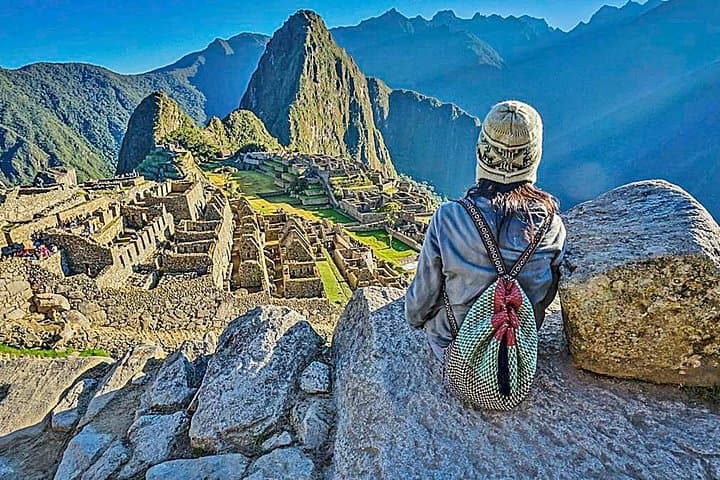
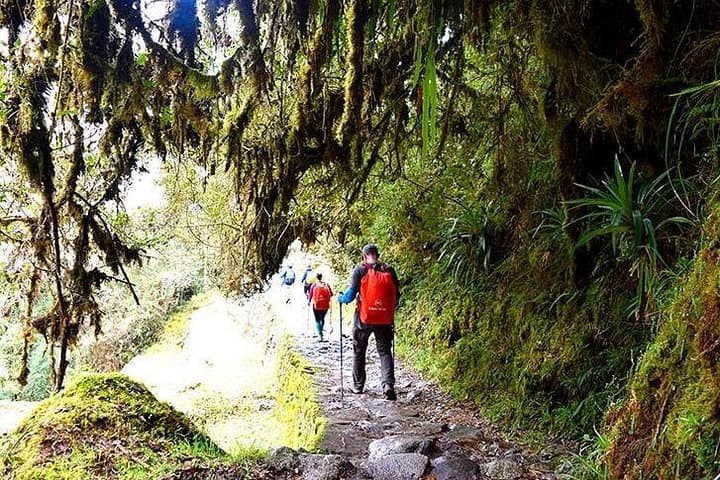
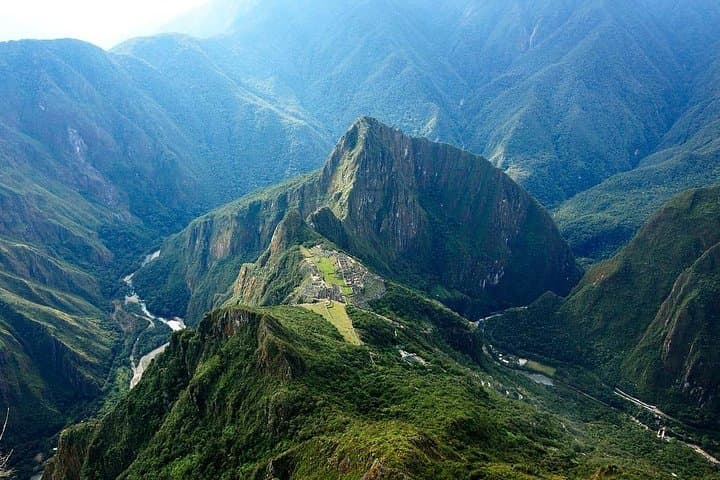
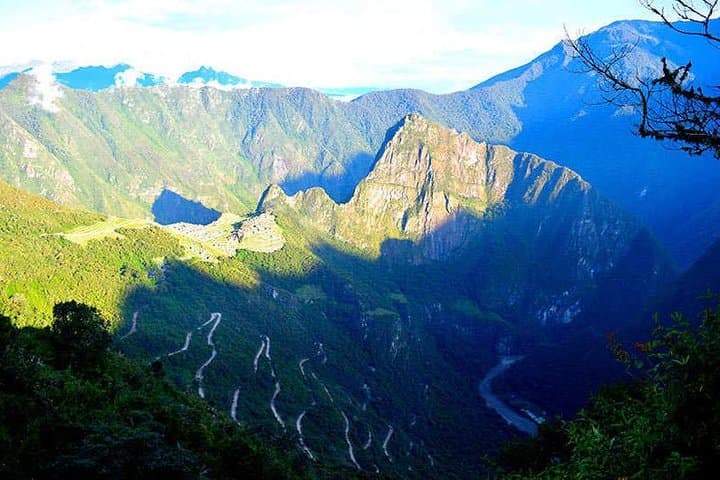
The day begins before dawn in Cusco: you board a minivan toward Ollantaytambo, then a rattling train toward Km 104. The trail greets you with a damp cloud forest that seems to breathe as you move—rivers daring you to keep pace while orchids cling to mossy trunks. Switchbacks tighten; the path threads ancient stonework and modern boots alike. By late afternoon the Sun Gate (Inti Punku) unfolds its long-awaited reveal and Machu Picchu settles into view like a city holding its own secrets.
The day begins before dawn in Cusco: you board a minivan toward Ollantaytambo, then a rattling train toward Km 104. The trail greets you with a damp cloud forest that seems to breathe as you move—rivers daring you to keep pace while orchids cling to mossy trunks. Switchbacks tighten; the path threads ancient stonework and modern boots alike. By late afternoon the Sun Gate (Inti Punku) unfolds its long-awaited reveal and Machu Picchu settles into view like a city holding its own secrets.
The route traces Inca arteries built in the 15th century to connect ceremonial centers and mountain communities. Granite terraces clamp into steep slopes, a geological story of Andean uplift and erosion that created the narrow corridors of cloud forest and high jungle. Quechua culture remains visible in local place names, textiles and the traditional knowledge that guides sustainable use of these paths.
Practicalities steer the experience: the trek climbs from roughly 2,100 m to the Sun Gate at about 2,720 m, so a night or two in Cusco for altitude adaptation is wise. Expect muddy sections in the wet season and cool mornings at elevation—pack layers, a reliable rain shell, and plenty of water. Permits and Machu Picchu entry times are managed tightly; book both early and confirm train schedules. The guided portion of day two covers the citadel’s plazas, temples and terraces; optional Huayna Picchu or Machu Picchu Mountain hikes require separate tickets.
Pace yourself and let the landscape set the rhythm. This two-day itinerary delivers the high drama of the classic trail in a condensed, guided format—intense, accessible and rooted in the living history of the Andes.