THE ADVENTURE COLLECTIVE® · Independent discovery and booking for outdoor travel

Spend two days following the Ganges from Delhi to the holy ghats of Haridwar and the ashrams of Rishikesh. This private itinerary pairs hilltop temples and the evening Ganga Aarti with easy walking and clear logistics for first-time visitors.
Spend two days following the Ganges from Delhi to the holy ghats of Haridwar and the ashrams of Rishikesh. This private itinerary pairs hilltop temples and the evening Ganga Aarti with easy walking and clear logistics for first-time visitors.
You leave Delhi before dawn, the city shrinking as the highway unspools toward the Himalayan foothills. By midafternoon the road opens onto wide river flats and the Ganges appears—broad, fast, and unapologetic—pulling devotees to its banks. In Haridwar you climb a cable car to Mansa Devi; from that hill the town and the river are mapped in terracotta and prayer flags. Come evening, the Aarti on the ghats turns the river into a procession of lamps and chanting that feels both immediate and ancient.
Verified experiences and guided adventures in the surrounding area.
Operated by Car Rentals Agra · Haridwar, Uttarakhand
You leave Delhi before dawn, the city shrinking as the highway unspools toward the Himalayan foothills. By midafternoon the road opens onto wide river flats and the Ganges appears—broad, fast, and unapologetic—pulling devotees to its banks. In Haridwar you climb a cable car to Mansa Devi; from that hill the town and the river are mapped in terracotta and prayer flags. Come evening, the Aarti on the ghats turns the river into a procession of lamps and chanting that feels both immediate and ancient.
Haridwar and Rishikesh sit where the Shivalik foothills meet the plains; geology here is young, steep slopes shedding alluvium into the Ganga. Haridwar is an old pilgrimage hub—one of Hinduism’s Sapta Puri—and Rishikesh grew as a center for yoga and ashrams in the 20th century (the Beatles Ashram is a modern landmark). Culture is public and shared: temples, ritual baths, and marketplaces rub shoulders with meditation halls and vegetarian cafés.
Practical guidance: the drive from Delhi is roughly 220–250 km and takes about 5–6 hours each way; expect moderate walking and many temple steps. Pack modest, quick-dry clothes, a refillable water bottle, sunscreen, and closed-toe walking shoes. Schedule around sunset for the Ganga Aarti (arrive early for a good vantage), and allow time for a cable car ride up to Mansa Devi and a stroll across Lakshman Jhula (450 ft long, ~70 ft above the river). Meals and temple offerings are generally pay-as-you-go; tipping for guides and drivers is customary. With easy pacing this private itinerary balances cultural immersion with straightforward logistics—good for first-time visitors who want a compact, reverent introduction to the Ganges and Himalayan foothill culture.
easy.
2 days.
Suitable for most fitness levels; requires comfortable walking and ability to climb steps.
Yes—private hotel pickup and drop-off in New Delhi/Noida/Gurugram are included in the tour price.
No—breakfast, lunch and dinner are at your own cost; your guide will suggest local vegetarian options and eateries.
No—individual temple donations, cable car tickets, and any special entrance fees are typically paid on-site by travelers.
Yes—this itinerary is rated easy; children and older travelers can participate but should be prepared for walking and temple steps.
Haridwar has been a major pilgrimage center for millennia and is one of Hinduism’s Sapta Puri; Rishikesh rose to prominence as a yoga and spiritual center in the 20th century.
The Ganges here faces pressures from tourism and local waste; visitors can help by using refillable bottles, avoiding plastic, and following local guidance on where to bathe or dispose of offerings.
Car Rentals Agra operates guided outdoor trips and adventures with an emphasis on safety, stewardship, and memorable experiences.


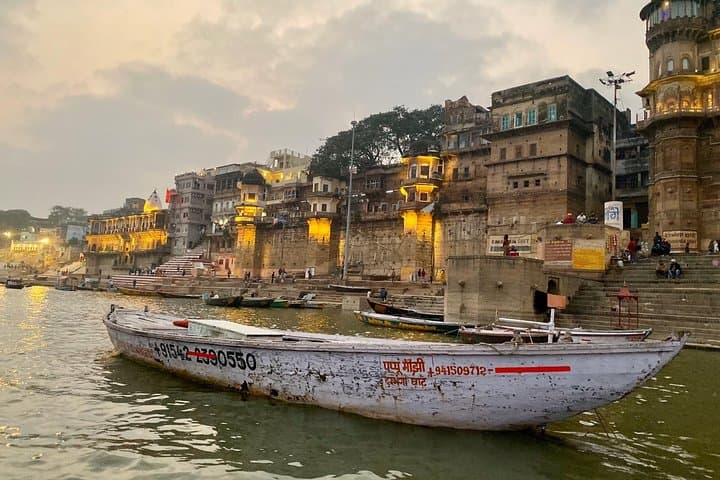
You leave Delhi before dawn, the city shrinking as the highway unspools toward the Himalayan foothills. By midafternoon the road opens onto wide river flats and the Ganges appears—broad, fast, and unapologetic—pulling devotees to its banks. In Haridwar you climb a cable car to Mansa Devi; from that hill the town and the river are mapped in terracotta and prayer flags. Come evening, the Aarti on the ghats turns the river into a procession of lamps and chanting that feels both immediate and ancient.
You leave Delhi before dawn, the city shrinking as the highway unspools toward the Himalayan foothills. By midafternoon the road opens onto wide river flats and the Ganges appears—broad, fast, and unapologetic—pulling devotees to its banks. In Haridwar you climb a cable car to Mansa Devi; from that hill the town and the river are mapped in terracotta and prayer flags. Come evening, the Aarti on the ghats turns the river into a procession of lamps and chanting that feels both immediate and ancient.
Haridwar and Rishikesh sit where the Shivalik foothills meet the plains; geology here is young, steep slopes shedding alluvium into the Ganga. Haridwar is an old pilgrimage hub—one of Hinduism’s Sapta Puri—and Rishikesh grew as a center for yoga and ashrams in the 20th century (the Beatles Ashram is a modern landmark). Culture is public and shared: temples, ritual baths, and marketplaces rub shoulders with meditation halls and vegetarian cafés.
Practical guidance: the drive from Delhi is roughly 220–250 km and takes about 5–6 hours each way; expect moderate walking and many temple steps. Pack modest, quick-dry clothes, a refillable water bottle, sunscreen, and closed-toe walking shoes. Schedule around sunset for the Ganga Aarti (arrive early for a good vantage), and allow time for a cable car ride up to Mansa Devi and a stroll across Lakshman Jhula (450 ft long, ~70 ft above the river). Meals and temple offerings are generally pay-as-you-go; tipping for guides and drivers is customary. With easy pacing this private itinerary balances cultural immersion with straightforward logistics—good for first-time visitors who want a compact, reverent introduction to the Ganges and Himalayan foothill culture.