THE ADVENTURE COLLECTIVE® · Independent discovery and booking for outdoor travel

Trade Guayaquil’s heat for cacao farms and cloud-forest trails on a private two-day trip that pairs hands-on chocolate making with waterfall hikes and family-ranch lodging. Expect guided walks, local meals, and a rustic overnight on the mountain foothills.
Trade Guayaquil’s heat for cacao farms and cloud-forest trails on a private two-day trip that pairs hands-on chocolate making with waterfall hikes and family-ranch lodging. Expect guided walks, local meals, and a rustic overnight on the mountain foothills.
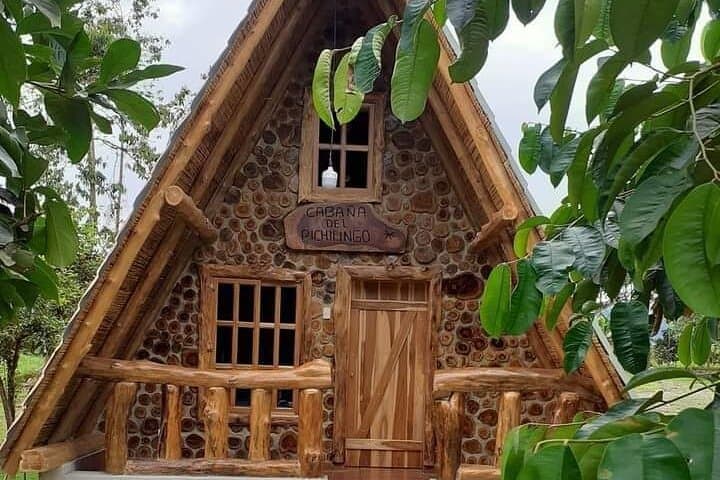
Dawn finds the van slipping east out of Guayaquil, the city giving way to orchards and the green rise of cloud forest. By midmorning the air changes—thicker, cooler—and the cacao farm opens like a working classroom: pods split, beans drying, and the scent of fermenting fruit daring you closer. A local family ranch becomes base camp for the night, a private cabin, a pool, and a quiet ledger of stars.
Verified experiences and guided adventures in the surrounding area.
Operated by BUCAY ADVENTURES ECUADOR · Bucay, Guayas
Dawn finds the van slipping east out of Guayaquil, the city giving way to orchards and the green rise of cloud forest. By midmorning the air changes—thicker, cooler—and the cacao farm opens like a working classroom: pods split, beans drying, and the scent of fermenting fruit daring you closer. A local family ranch becomes base camp for the night, a private cabin, a pool, and a quiet ledger of stars.
This route threads two Ecuadorian stories. The coastal plain where cacao and cassava have long fed towns meets the lower slopes of the western Andean foothills, an area shaped by uplift, volcanic soils, and heavy orographic rain that produces dense montane forest. Cacao here carries both cultural weight and economic history—Ecuador’s fine-flavor beans have been farmed along these valleys for generations, and the traditional trapiche (sugar-cane press) hints at colonial-era rural industry.
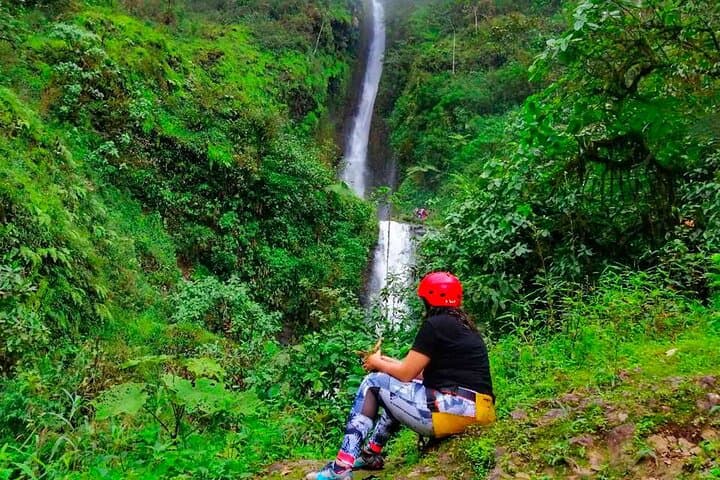
Expect hands-on chocolate demonstrations, a choice of short to longer hikes through cloud-forest trails, and waterfall swims in clear plunges that cut through the slope. Guides are local and bilingual; accommodations are rustic ranch cabins with basic comforts and family-style meals.
Practical edge: pack a lightweight rain jacket and sturdy trail shoes, bring a refillable bottle and insect repellent, and plan for muddy trails after rain. Morning temperatures on the ridge are coolest—start hikes early for clearer views and calmer weather. Communication and transport are private, so tailor pickup/drop-off times when booking. This two-day loop offers easy access to rural Ecuadorian life with real outdoor hiking and a strong agricultural learning component.
moderate.
2 days (about 48 hours total with 2 half-day hikes).
Suitable for travelers with basic fitness who can handle 2–4 hour hikes on uneven terrain and some short climbs
Pickup is available from Guayaquil hotels or the airport; specify your pickup point and flight details at booking for tailored times.
Trails have easy, moderate, and advanced options—families and older travelers can choose gentler walks; notify guides of mobility concerns.
Guides assess pool depth and current before allowing swims; avoid swimming after heavy rain when currents can be stronger.
You stay in a private cabin at a family-run ranch (basic 3-star comfort) with communal meals prepared from local ingredients.
This region mixes long-standing coastal agricultural practices—especially fine-flavor cacao—with smallholder ranching; the trapiche reflects traditional sugar processing methods used for generations.
Cloud forest areas are ecologically sensitive; stay on marked trails, avoid single-use plastics, and support local guides to keep tourism benefits within the community.
BUCAY ADVENTURES ECUADOR operates guided outdoor trips and adventures with an emphasis on safety, stewardship, and memorable experiences.

Dawn finds the van slipping east out of Guayaquil, the city giving way to orchards and the green rise of cloud forest. By midmorning the air changes—thicker, cooler—and the cacao farm opens like a working classroom: pods split, beans drying, and the scent of fermenting fruit daring you closer. A local family ranch becomes base camp for the night, a private cabin, a pool, and a quiet ledger of stars.
Dawn finds the van slipping east out of Guayaquil, the city giving way to orchards and the green rise of cloud forest. By midmorning the air changes—thicker, cooler—and the cacao farm opens like a working classroom: pods split, beans drying, and the scent of fermenting fruit daring you closer. A local family ranch becomes base camp for the night, a private cabin, a pool, and a quiet ledger of stars.
This route threads two Ecuadorian stories. The coastal plain where cacao and cassava have long fed towns meets the lower slopes of the western Andean foothills, an area shaped by uplift, volcanic soils, and heavy orographic rain that produces dense montane forest. Cacao here carries both cultural weight and economic history—Ecuador’s fine-flavor beans have been farmed along these valleys for generations, and the traditional trapiche (sugar-cane press) hints at colonial-era rural industry.
Expect hands-on chocolate demonstrations, a choice of short to longer hikes through cloud-forest trails, and waterfall swims in clear plunges that cut through the slope. Guides are local and bilingual; accommodations are rustic ranch cabins with basic comforts and family-style meals.
Practical edge: pack a lightweight rain jacket and sturdy trail shoes, bring a refillable bottle and insect repellent, and plan for muddy trails after rain. Morning temperatures on the ridge are coolest—start hikes early for clearer views and calmer weather. Communication and transport are private, so tailor pickup/drop-off times when booking. This two-day loop offers easy access to rural Ecuadorian life with real outdoor hiking and a strong agricultural learning component.