THE ADVENTURE COLLECTIVE® · Independent discovery and booking for outdoor travel

Two days, an early-morning drive from Kigali, and the chance to meet mountain gorillas in Bwindi’s ancient rainforest. This private safari pairs challenging jungle trekking with meaningful conservation-focused encounters.
Two days, an early-morning drive from Kigali, and the chance to meet mountain gorillas in Bwindi’s ancient rainforest. This private safari pairs challenging jungle trekking with meaningful conservation-focused encounters.
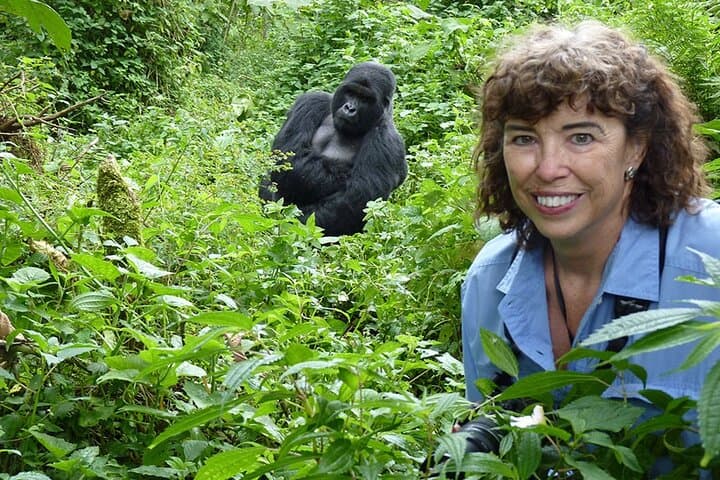
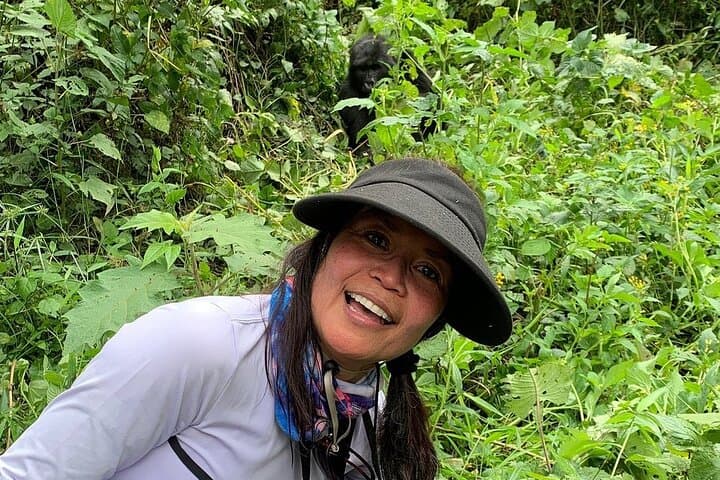
You step out of the vehicle and the air changes — cool, damp, and heavy with the scent of moss. Trails fork under a green canopy so thick the light arrives in soft, shifting strips; the forest seems to watch as you tighten your boots and shoulder your pack.
Verified experiences and guided adventures in the surrounding area.
Operated by Universal Ventures -Gorilla trekking Rwanda-wildlife safari Rwanda-visit Rwanda. · Kisoro, Kisoro District
You step out of the vehicle and the air changes — cool, damp, and heavy with the scent of moss. Trails fork under a green canopy so thick the light arrives in soft, shifting strips; the forest seems to watch as you tighten your boots and shoulder your pack.
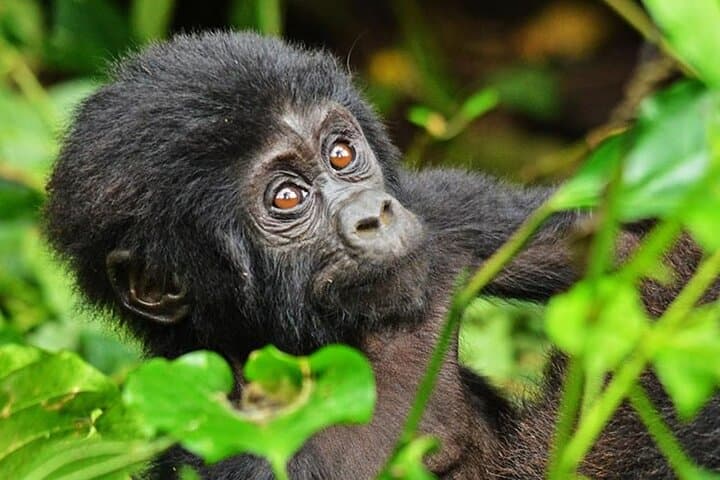
Bwindi Impenetrable Forest sits in Uganda’s southwest, a block of ancient montane rainforest carved into steep ridges and valleys. Geologically the park rides a collision zone where uplifted volcanic soils meet old gneiss and schist, creating the humidity and rich undergrowth gorillas favor. Human history here is woven with local Batwa and Bakiga communities; modern conservation began in earnest in the late 20th century and Bwindi earned UNESCO World Heritage status in 1994 for its critical role protecting mountain gorillas.
Culturally, visits today connect tourism revenue with community projects, and trackers who read broken trails translate gorilla behavior into tangible guidance. Expect dense bamboo and vine-clinging slopes, muddy switchbacks, and occasional steep scrambles — a trek can last from a short hour to a full-day pursuit depending on how far families roam.
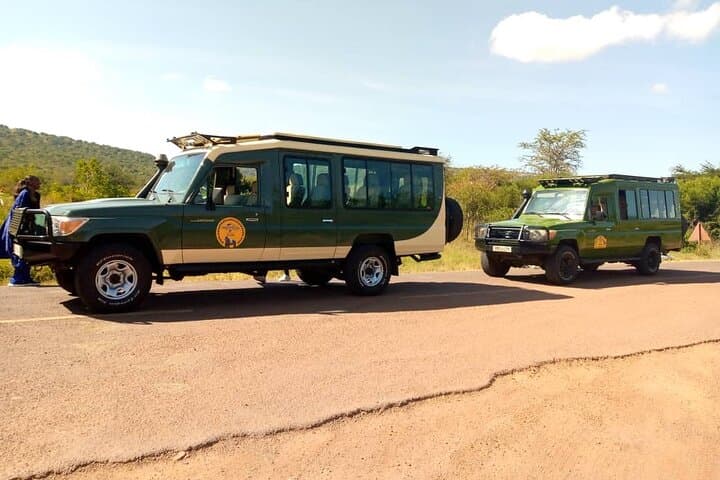
Practical guidance: permits are required and sold through Uganda Wildlife Authority; bring waterproof boots, gaiters, and a lightweight rain shell. Move slowly on slopes, carry 2–3 liters of water, and use walking poles to steady muddy descents. Respect the one-hour viewing rule and keep distance if you’re coughy or unwell — the gorillas’ health is paramount. With a private transfer via Kigali the itinerary compresses travel and maximizes time in forest; be prepared for long drives and early starts, and reward yourself afterward with a community walk to understand the human side of gorilla conservation.
challenging.
2 days (typically 3–8 hours trekking on day 2).
Good cardiovascular fitness and leg strength recommended; able to hike uneven, steep terrain for several hours
Yes — permits are required and issued by Uganda Wildlife Authority; your operator usually handles booking but secure them well in advance.
Trek time varies widely — from about 1 hour if gorillas are nearby to a full day of hiking; expect 3–8 hours on average for most visits.
Gorilla trekking requires walking on steep, uneven terrain and is not recommended for those with serious mobility limitations or young children; check age rules for permits.
Carry proof of yellow fever vaccination where required, and consult a travel clinic about malaria prophylaxis; avoid trekking if you have respiratory illness to protect gorillas.
Bwindi became a focus of intensive conservation in the late 20th century and was designated a UNESCO World Heritage Site in 1994 for its endemic species, including endangered mountain gorillas.
Gorilla tourism is tightly regulated—permits, guided groups, and strict health/distance rules channel revenue into park management and local community projects to reduce human-wildlife conflict.
Universal Ventures -Gorilla trekking Rwanda-wildlife safari Rwanda-visit Rwanda. operates guided outdoor trips and adventures with an emphasis on safety, stewardship, and memorable experiences.
You step out of the vehicle and the air changes — cool, damp, and heavy with the scent of moss. Trails fork under a green canopy so thick the light arrives in soft, shifting strips; the forest seems to watch as you tighten your boots and shoulder your pack.
You step out of the vehicle and the air changes — cool, damp, and heavy with the scent of moss. Trails fork under a green canopy so thick the light arrives in soft, shifting strips; the forest seems to watch as you tighten your boots and shoulder your pack.
Bwindi Impenetrable Forest sits in Uganda’s southwest, a block of ancient montane rainforest carved into steep ridges and valleys. Geologically the park rides a collision zone where uplifted volcanic soils meet old gneiss and schist, creating the humidity and rich undergrowth gorillas favor. Human history here is woven with local Batwa and Bakiga communities; modern conservation began in earnest in the late 20th century and Bwindi earned UNESCO World Heritage status in 1994 for its critical role protecting mountain gorillas.
Culturally, visits today connect tourism revenue with community projects, and trackers who read broken trails translate gorilla behavior into tangible guidance. Expect dense bamboo and vine-clinging slopes, muddy switchbacks, and occasional steep scrambles — a trek can last from a short hour to a full-day pursuit depending on how far families roam.
Practical guidance: permits are required and sold through Uganda Wildlife Authority; bring waterproof boots, gaiters, and a lightweight rain shell. Move slowly on slopes, carry 2–3 liters of water, and use walking poles to steady muddy descents. Respect the one-hour viewing rule and keep distance if you’re coughy or unwell — the gorillas’ health is paramount. With a private transfer via Kigali the itinerary compresses travel and maximizes time in forest; be prepared for long drives and early starts, and reward yourself afterward with a community walk to understand the human side of gorilla conservation.