THE ADVENTURE COLLECTIVE® · Independent discovery and booking for outdoor travel

Spend two days moving from Kigali’s city history into the cloud-creased forests of Volcanoes National Park for an intimate mountain gorilla encounter. This practical guide outlines what to expect, how to prepare, and how the experience connects to local conservation and culture.
Spend two days moving from Kigali’s city history into the cloud-creased forests of Volcanoes National Park for an intimate mountain gorilla encounter. This practical guide outlines what to expect, how to prepare, and how the experience connects to local conservation and culture.
Dawn breaks over the Virunga foothills and mist clings to the banana terraces as you move toward the park headquarters; the forest ahead feels alive, its breath measured and deliberate. On day one you’ll pass Kigali’s memorial sites and local markets, then climb north into the highlands where the ground tightens into bamboo and Hagenia stands. Come day two the forest takes charge — vines tug at sleeves, moss seems to watch, and the gorillas themselves appear like family members stepping out of history.
Verified experiences and guided adventures in the surrounding area.
Operated by Unique Africa Ventures · Musanze, Northern Province
Dawn breaks over the Virunga foothills and mist clings to the banana terraces as you move toward the park headquarters; the forest ahead feels alive, its breath measured and deliberate. On day one you’ll pass Kigali’s memorial sites and local markets, then climb north into the highlands where the ground tightens into bamboo and Hagenia stands. Come day two the forest takes charge — vines tug at sleeves, moss seems to watch, and the gorillas themselves appear like family members stepping out of history.
Volcanoes National Park sits on the flank of the Virunga volcanic chain, its soils volcanic and fertile from recent eruptions that shaped steep ridgelines and the bamboo zones gorillas prefer. Rwanda’s recent history—marked by recovery and strong conservation efforts—has made gorilla protection a national priority, and local culture reflects that stewardship through community tourism programs in villages around Musanze.
Practically, expect steep, slippery ground and a tracking window that ranges from a short hike to a full-day uphill push; permits are tightly controlled (the listing includes the standard international permit fee), and briefings at park HQ precede every trek. Carry layered, waterproof gear, gaiters, and at least 2–3 liters of water; hiring a porter eases pack load and supports local communities. Respect the 7-meter rule in gorilla presence and let the trackers set pace — the aim is close observation with minimal disturbance.
This is an immersive, physically demanding wildlife encounter: come prepared, fit, and patient, and you’ll leave with a rare, humbling proximity to one of our closest cousins.
challenging.
2 days (12–25 hours trekking total).
Good cardiovascular fitness and leg strength; expect steep ascents, slippery roots, and several hours on uneven ground.
This listing indicates the standard international tracking permit (approx. USD 1,500) is included in the package price shown.
High fitness is recommended: treks can be several hours over steep and muddy ground; those with limited mobility or heart/back conditions are discouraged.
Porters are available at park HQ for a modest additional fee (often around USD 10) to carry packs and assist on difficult sections.
Keep at least 7 meters distance, speak softly, follow the guide’s instructions, don’t feed animals, and avoid coughing or sneezing near the group.
Volcanoes National Park is part of the Virunga chain and was protected early in the 20th century; Rwanda’s conservation focus intensified after the 1990s with strong community-based tourism efforts.
Gorilla tourism funds park protection and local development; visitors help by following strict hygiene and distance rules to minimize disease transmission and disturbance.
Unique Africa Ventures operates guided outdoor trips and adventures with an emphasis on safety, stewardship, and memorable experiences.
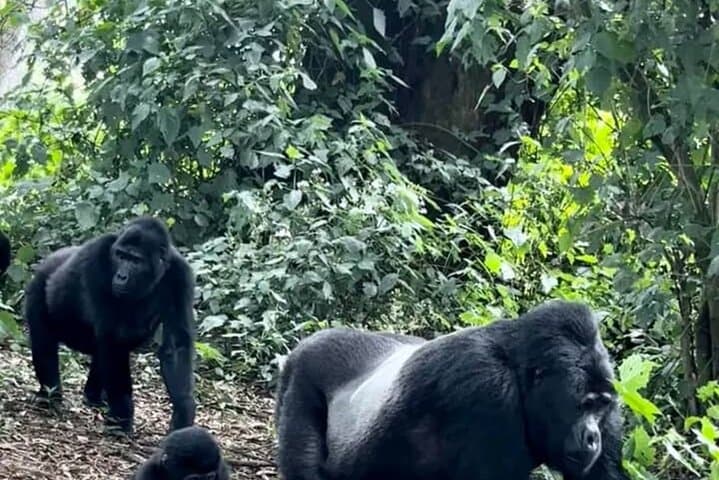
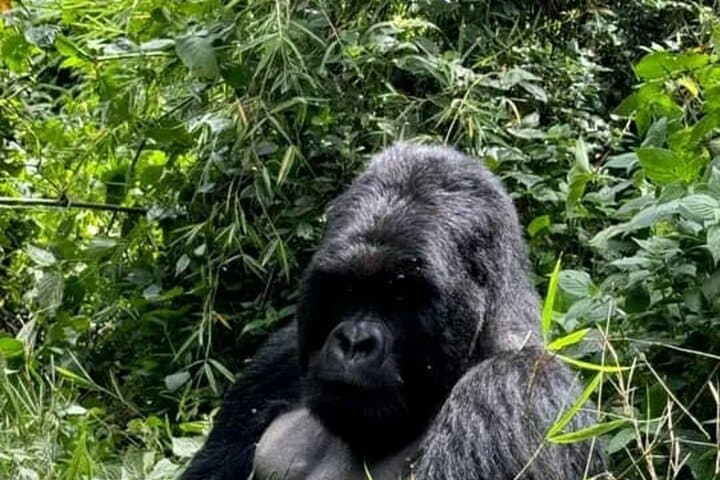
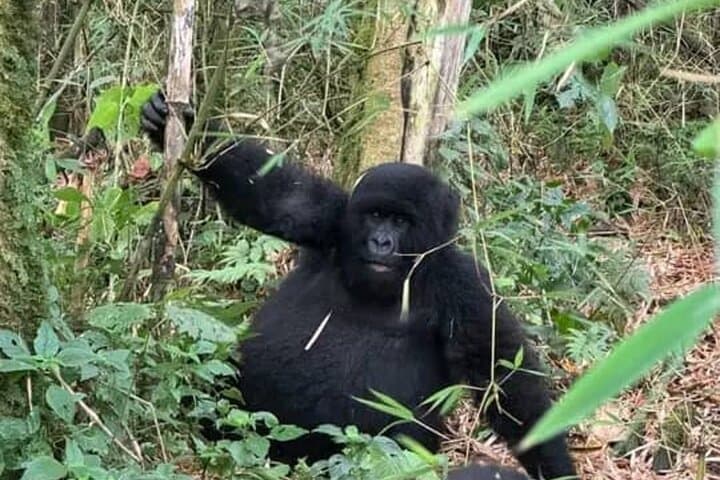
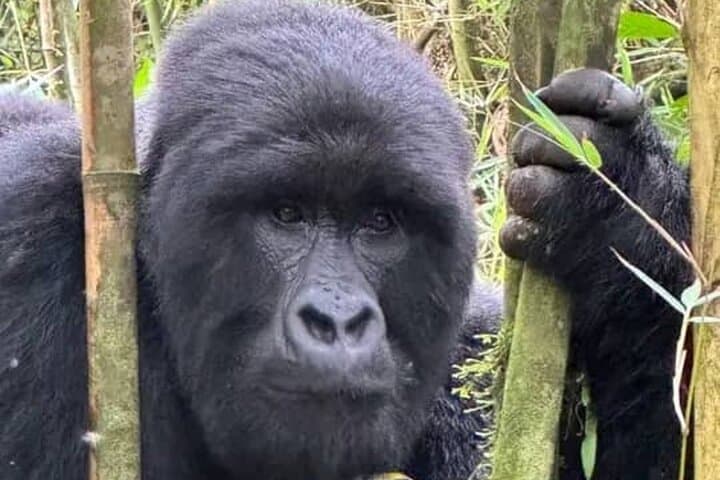
Dawn breaks over the Virunga foothills and mist clings to the banana terraces as you move toward the park headquarters; the forest ahead feels alive, its breath measured and deliberate. On day one you’ll pass Kigali’s memorial sites and local markets, then climb north into the highlands where the ground tightens into bamboo and Hagenia stands. Come day two the forest takes charge — vines tug at sleeves, moss seems to watch, and the gorillas themselves appear like family members stepping out of history.
Dawn breaks over the Virunga foothills and mist clings to the banana terraces as you move toward the park headquarters; the forest ahead feels alive, its breath measured and deliberate. On day one you’ll pass Kigali’s memorial sites and local markets, then climb north into the highlands where the ground tightens into bamboo and Hagenia stands. Come day two the forest takes charge — vines tug at sleeves, moss seems to watch, and the gorillas themselves appear like family members stepping out of history.
Volcanoes National Park sits on the flank of the Virunga volcanic chain, its soils volcanic and fertile from recent eruptions that shaped steep ridgelines and the bamboo zones gorillas prefer. Rwanda’s recent history—marked by recovery and strong conservation efforts—has made gorilla protection a national priority, and local culture reflects that stewardship through community tourism programs in villages around Musanze.
Practically, expect steep, slippery ground and a tracking window that ranges from a short hike to a full-day uphill push; permits are tightly controlled (the listing includes the standard international permit fee), and briefings at park HQ precede every trek. Carry layered, waterproof gear, gaiters, and at least 2–3 liters of water; hiring a porter eases pack load and supports local communities. Respect the 7-meter rule in gorilla presence and let the trackers set pace — the aim is close observation with minimal disturbance.
This is an immersive, physically demanding wildlife encounter: come prepared, fit, and patient, and you’ll leave with a rare, humbling proximity to one of our closest cousins.