THE ADVENTURE COLLECTIVE® · Independent discovery and booking for outdoor travel

A private two-day journey from Bucharest that pairs coastal history in Constanța with intimate boat exploration of the Danube Delta's channels, reed forests, and rich birdlife. Ideal for wildlife watchers and travelers seeking simple, immersive wetland experiences.
A private two-day journey from Bucharest that pairs coastal history in Constanța with intimate boat exploration of the Danube Delta's channels, reed forests, and rich birdlife. Ideal for wildlife watchers and travelers seeking simple, immersive wetland experiences.
You step off the minivan as reeds part and a long wooden boat waits, the Danube's channels sighing around it. The shore smells of fresh water and mudflats; reedbeds whisper and a lone heron lifts, indifferent. The first day moves through Constanța's Greek and Roman ruins and the Black Sea's sandy fringe before the road gives way to flat, braided waterways and the slow geometry of the Delta.
Verified experiences and guided adventures in the surrounding area.
Operated by Yolo Tours Romania · Tulcea, Tulcea County
You step off the minivan as reeds part and a long wooden boat waits, the Danube's channels sighing around it. The shore smells of fresh water and mudflats; reedbeds whisper and a lone heron lifts, indifferent. The first day moves through Constanța's Greek and Roman ruins and the Black Sea's sandy fringe before the road gives way to flat, braided waterways and the slow geometry of the Delta.
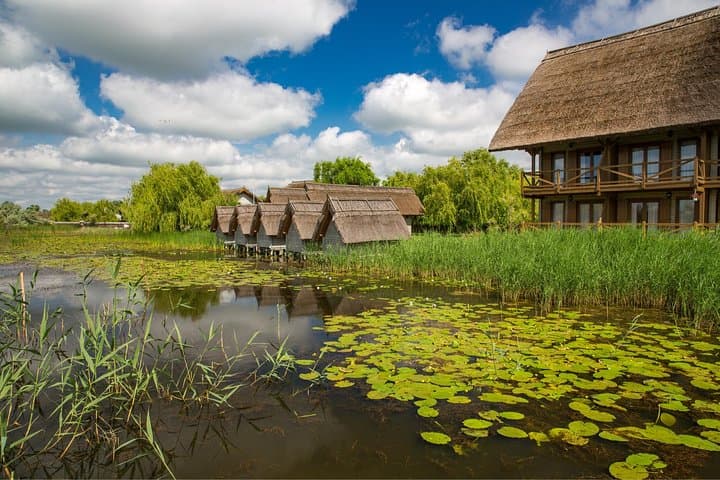
Geologically, the Danube Delta is one of Europe's youngest and most dynamic wetlands, built from river-borne sediments and shaped by shifting channels. Human history here folds Greek and Roman coastal settlements into Lipovan and traditional Romanian fishing cultures that still run small reed-thatched houses and wooden boats. The area is a UNESCO World Heritage site for its exceptional birdlife and mosaic of marshes, lakes, and canals.
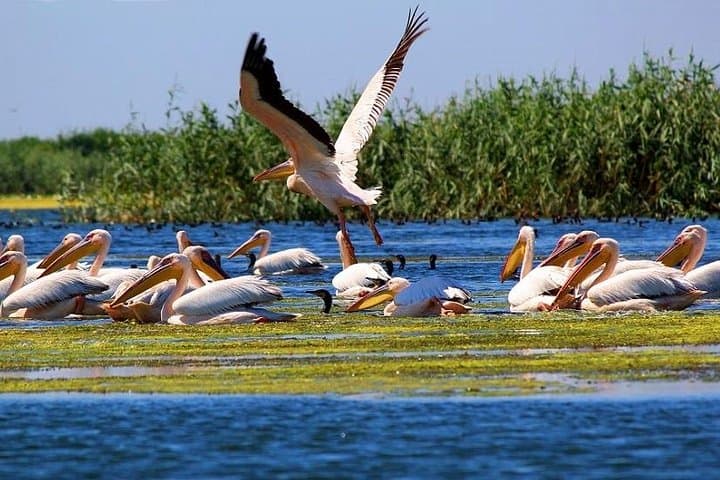
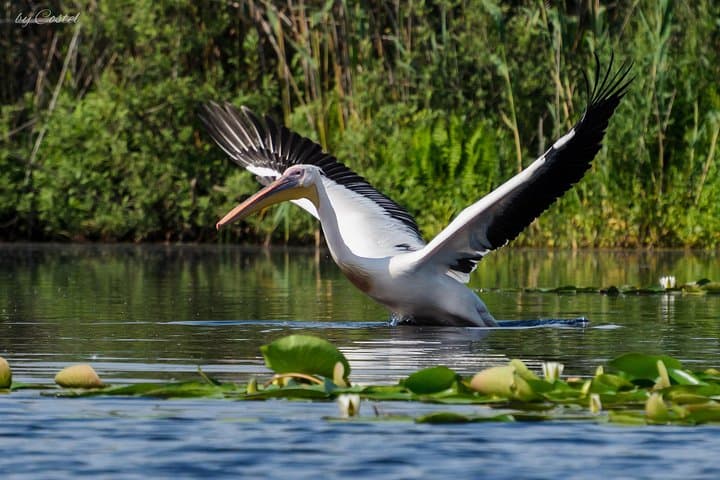
Expect quiet mornings and afternoons spent on a private motorboat weaving narrow channels, watching colonies of cormorants and pelicans, and short shore walks to reed-fringed lakes. Guides point out telltale signs—fish-eating tern flights, beak marks on reeds—and explain local fishing and conservation practices.
Practical guidance: pack binoculars and layered weatherproof clothing, bring cash for small village shops, and prepare for basic overnight lodging at a comfortable 3-star pension. Insect repellent is essential from late spring through early fall; winter visits are colder and far quieter. The trip suits travelers seeking wildlife photography and gentle exploration rather than strenuous hiking. Respect local rules: no off-channel motoring, keep distance from nesting birds, and minimize plastic waste to help preserve this fragile wetland.
easy.
2 days (≈48 hours).
Suitable for travelers in light to moderate physical condition; involves short guided walks and extended periods seated in a boat.
The tour includes hotel pickup in Bucharest—confirm your pickup point and time when booking and expect a 3–4 hour drive to the Delta region with stops in Constanța.
Included are private transport, a guided boat tour in the Delta, one night accommodation at a 3-star pension, breakfast, and professional guide services; check specifics with the operator.
Yes—infant seats and stroller access are available and the itinerary is rated easy, but bring supplies for young children and confirm accommodations in advance.
Late spring and early summer offer peak bird activity and nesting; shoulder seasons have fewer insects and quieter waterways.
The Delta preserves traces of ancient Greek and Roman coastal activity and a living mix of Lipovan and Romanian fishing traditions; it became a UNESCO World Heritage site for its unique wetlands.
The Danube Delta is ecologically fragile—stay on designated channels, avoid disturbing colonies, and minimize single-use plastics to reduce impact.
Yolo Tours Romania operates guided outdoor trips and adventures with an emphasis on safety, stewardship, and memorable experiences.
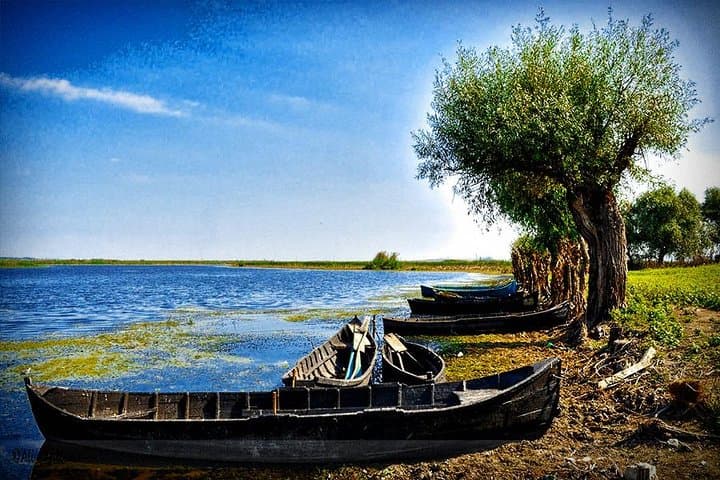
You step off the minivan as reeds part and a long wooden boat waits, the Danube's channels sighing around it. The shore smells of fresh water and mudflats; reedbeds whisper and a lone heron lifts, indifferent. The first day moves through Constanța's Greek and Roman ruins and the Black Sea's sandy fringe before the road gives way to flat, braided waterways and the slow geometry of the Delta.
You step off the minivan as reeds part and a long wooden boat waits, the Danube's channels sighing around it. The shore smells of fresh water and mudflats; reedbeds whisper and a lone heron lifts, indifferent. The first day moves through Constanța's Greek and Roman ruins and the Black Sea's sandy fringe before the road gives way to flat, braided waterways and the slow geometry of the Delta.
Geologically, the Danube Delta is one of Europe's youngest and most dynamic wetlands, built from river-borne sediments and shaped by shifting channels. Human history here folds Greek and Roman coastal settlements into Lipovan and traditional Romanian fishing cultures that still run small reed-thatched houses and wooden boats. The area is a UNESCO World Heritage site for its exceptional birdlife and mosaic of marshes, lakes, and canals.
Expect quiet mornings and afternoons spent on a private motorboat weaving narrow channels, watching colonies of cormorants and pelicans, and short shore walks to reed-fringed lakes. Guides point out telltale signs—fish-eating tern flights, beak marks on reeds—and explain local fishing and conservation practices.
Practical guidance: pack binoculars and layered weatherproof clothing, bring cash for small village shops, and prepare for basic overnight lodging at a comfortable 3-star pension. Insect repellent is essential from late spring through early fall; winter visits are colder and far quieter. The trip suits travelers seeking wildlife photography and gentle exploration rather than strenuous hiking. Respect local rules: no off-channel motoring, keep distance from nesting birds, and minimize plastic waste to help preserve this fragile wetland.