THE ADVENTURE COLLECTIVE® · Independent discovery and booking for outdoor travel

Two days of private touring in Cairo that balance big-ticket archaeology—the Giza pyramids and royal mummies—with local culture at the Citadel and Khan el-Khalili, finishing with a calming felucca ride on the Nile. Ideal for travelers who want concentrated access and on-the-ground context.
Two days of private touring in Cairo that balance big-ticket archaeology—the Giza pyramids and royal mummies—with local culture at the Citadel and Khan el-Khalili, finishing with a calming felucca ride on the Nile. Ideal for travelers who want concentrated access and on-the-ground context.
The morning light carves the edges of the Giza Plateau as your driver eases through Cairo traffic and drops you at the pyramids' base—stone faces older than written history and the city’s heartbeat pulsing behind them. Over two days you move from the buried past of Sakkara’s Step Pyramid to the stately rows of royal mummies and the Citadel’s broad overlook, finishing with a slow felucca ride where the Nile pushes the city into a softer rhythm.
Verified experiences and guided adventures in the surrounding area.
Operated by Emo Tours Sweden · Cairo, Cairo Governorate
The morning light carves the edges of the Giza Plateau as your driver eases through Cairo traffic and drops you at the pyramids' base—stone faces older than written history and the city’s heartbeat pulsing behind them. Over two days you move from the buried past of Sakkara’s Step Pyramid to the stately rows of royal mummies and the Citadel’s broad overlook, finishing with a slow felucca ride where the Nile pushes the city into a softer rhythm.
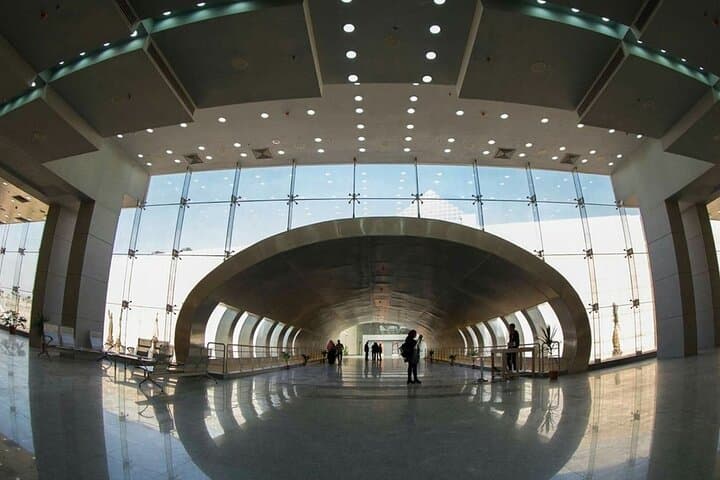
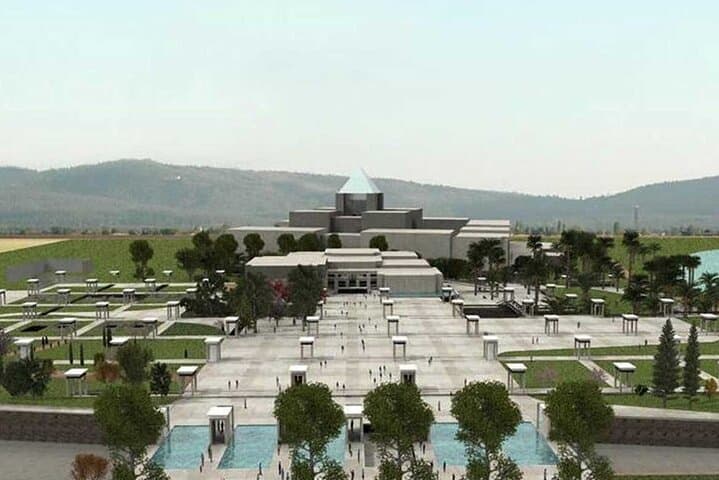
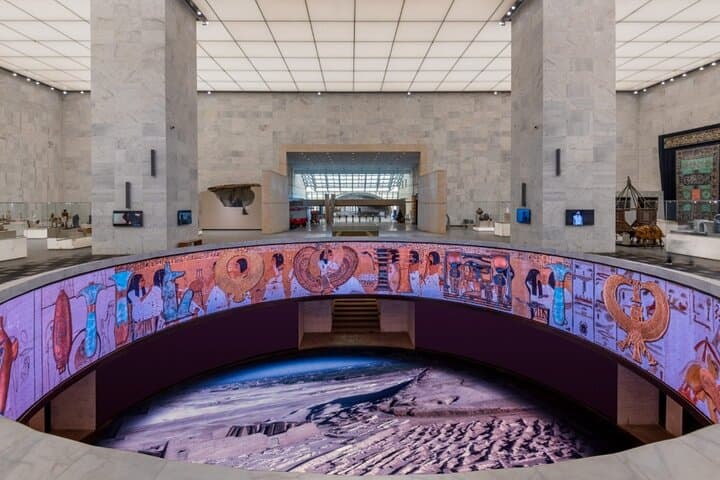
Cairo sits where the limestone Giza Plateau meets the Nile’s alluvial plain: Pharaohs chose the plateau’s durable stone; the river supplied life and fertile soil. The National Museum of Egyptian Civilization presents artifacts spanning prehistoric tools to modern crafts, while the Citadel—started by Saladin in the 12th century—frames the cityscape with Ottoman-era mosques and sweeping views. Khan el-Khalili bazaar offers living culture: metalworkers, perfumers, and tea houses that have operated for centuries.
Practical guidance: this private, two-day itinerary includes private transport, a local guide, lunches, and bottled water. Expect a mix of paved courtyards, worn limestone steps, and uneven desert paths; comfortable walking shoes and sun protection are non-negotiable. Plan early starts to avoid mid-day heat and the heaviest crowds at Giza. Respect house rules at museums and religious sites—modest clothing and quiet photography practices help preserve fragile artifacts. Small cash is handy for tips and market purchases. If you have spinal, heart, or pregnancy concerns, consult the operator—most stops involve standing and stair climbing. With a guide handling logistics, you’ll spend time looking up at monuments, not down at maps.
easy.
2 days (approx. 8–10 hours per day).
Suitable for most fitness levels; participants should be able to walk on uneven stone, climb stairs, and stand for periods.
Many major entries listed in the itinerary (NMEC, Giza plateau areas, Citadel, Sakkara, Memphis) are included as indicated; your guide will handle tickets and local payments for included admissions.
The tour is rated easy overall but involves walking on uneven ground and climbing stairs in museums and historic sites; it is not recommended for travelers with serious spinal or mobility limitations without prior consultation.
Pickup is provided from hotels in Cairo or Giza at the scheduled start time (typically early morning); exact pickup details are confirmed after booking.
Photography rules vary by site; some museums restrict flash or photography of certain displays. Ask your guide on arrival to avoid violating rules or damaging exhibits.
Memphis, founded around 3100 BC, and the Giza pyramids built c. 2600–2500 BC anchor Cairo’s long human history; the Citadel was begun by Saladin in 1176 AD and later expanded by successive rulers.
Archaeological sites are sensitive to foot traffic and souvenir collecting; stick to marked paths, avoid touching carvings, and decline illicit antiquities to support long-term preservation.
Emo Tours Sweden operates guided outdoor trips and adventures with an emphasis on safety, stewardship, and memorable experiences.
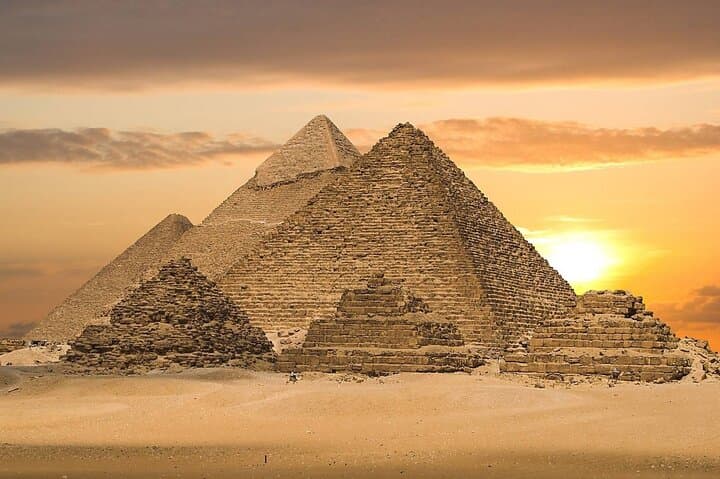
The morning light carves the edges of the Giza Plateau as your driver eases through Cairo traffic and drops you at the pyramids' base—stone faces older than written history and the city’s heartbeat pulsing behind them. Over two days you move from the buried past of Sakkara’s Step Pyramid to the stately rows of royal mummies and the Citadel’s broad overlook, finishing with a slow felucca ride where the Nile pushes the city into a softer rhythm.
The morning light carves the edges of the Giza Plateau as your driver eases through Cairo traffic and drops you at the pyramids' base—stone faces older than written history and the city’s heartbeat pulsing behind them. Over two days you move from the buried past of Sakkara’s Step Pyramid to the stately rows of royal mummies and the Citadel’s broad overlook, finishing with a slow felucca ride where the Nile pushes the city into a softer rhythm.
Cairo sits where the limestone Giza Plateau meets the Nile’s alluvial plain: Pharaohs chose the plateau’s durable stone; the river supplied life and fertile soil. The National Museum of Egyptian Civilization presents artifacts spanning prehistoric tools to modern crafts, while the Citadel—started by Saladin in the 12th century—frames the cityscape with Ottoman-era mosques and sweeping views. Khan el-Khalili bazaar offers living culture: metalworkers, perfumers, and tea houses that have operated for centuries.
Practical guidance: this private, two-day itinerary includes private transport, a local guide, lunches, and bottled water. Expect a mix of paved courtyards, worn limestone steps, and uneven desert paths; comfortable walking shoes and sun protection are non-negotiable. Plan early starts to avoid mid-day heat and the heaviest crowds at Giza. Respect house rules at museums and religious sites—modest clothing and quiet photography practices help preserve fragile artifacts. Small cash is handy for tips and market purchases. If you have spinal, heart, or pregnancy concerns, consult the operator—most stops involve standing and stair climbing. With a guide handling logistics, you’ll spend time looking up at monuments, not down at maps.