THE ADVENTURE COLLECTIVE® · Independent discovery and booking for outdoor travel

A fast-paced, private two-day tour that flies you from Sharm El Sheikh to Cairo and Luxor to see the Giza Pyramids, Egyptian Museum, Valley of the Kings, Hatshepsut and Karnak. Ideal for travelers who want maximum historical mileage in minimal time.
A fast-paced, private two-day tour that flies you from Sharm El Sheikh to Cairo and Luxor to see the Giza Pyramids, Egyptian Museum, Valley of the Kings, Hatshepsut and Karnak. Ideal for travelers who want maximum historical mileage in minimal time.
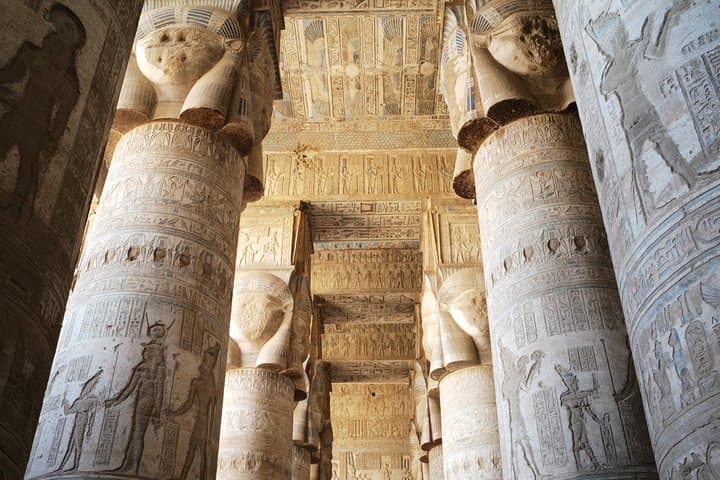
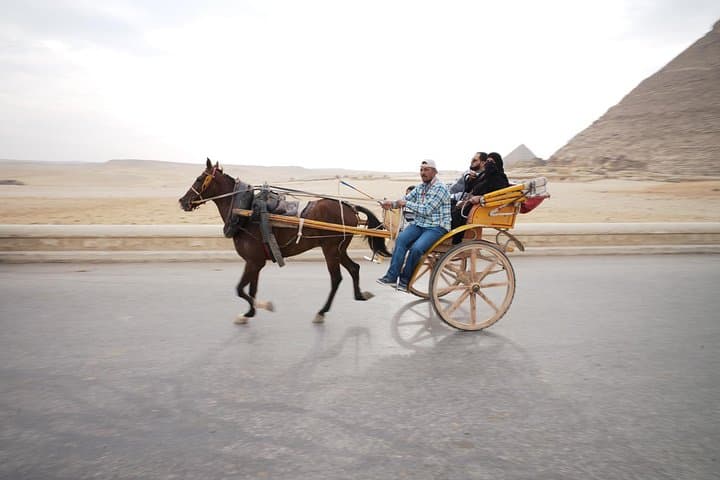
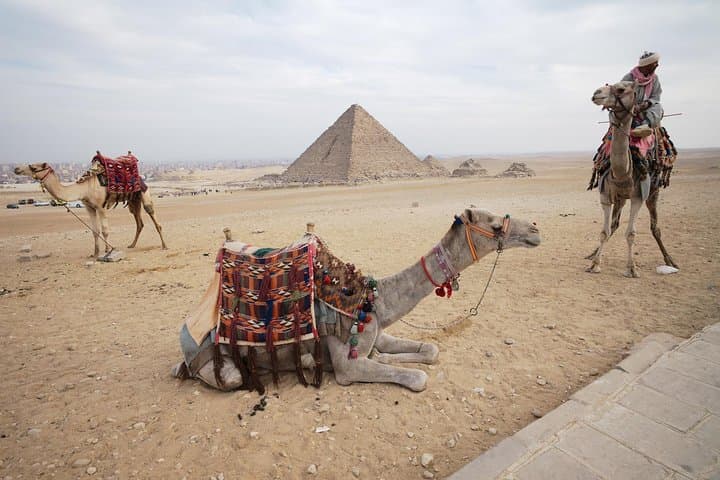
You step out of the early-morning heat into the wide, flat light of Giza: sandstone blocks rising like a mapped memory, the Sphinx watching traffic and tourists with the same patient gaze. On this two-day sweep you move from the metropolitan bustle of Cairo’s museum corridors to the desert-still riverbanks of Luxor, where carved colonnades throw long shadows across temple floors.
Verified experiences and guided adventures in the surrounding area.
Operated by Egypt Guidelines Day Tours · Cairo, Cairo Governorate
You step out of the early-morning heat into the wide, flat light of Giza: sandstone blocks rising like a mapped memory, the Sphinx watching traffic and tourists with the same patient gaze. On this two-day sweep you move from the metropolitan bustle of Cairo’s museum corridors to the desert-still riverbanks of Luxor, where carved colonnades throw long shadows across temple floors.
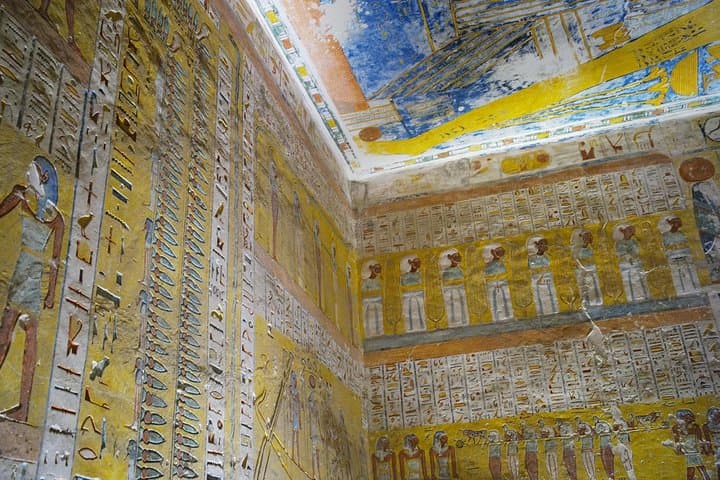
Egypt’s story is visible here — Pharaonic stonework, New Kingdom tombs hewn into limestone, and the Nile’s riverine geology that made agriculture and empire possible. Cairo’s museums hold gold and finely painted coffins; Luxor’s west bank concentrates royal funerary architecture, including Hatshepsut’s angled terraces and the packed hypostyle of Karnak. Local culture hums in market vendors’ calls, the rhythm of feluccas on the Nile daring you to slow down, and the steady logistics of domestic flights and private transfers that make a two-city day possible.
Expect guided walks across uneven stone, short climbs into tombs, and photo stops at panoramic viewpoints. The tempo is brisk: plan for two full days with early departures, sun management, and enough water to replace what the desert takes. Bring comfortable, closed-toe shoes for sandy approaches, modest clothing for sacred sites, and a lightweight layer for cooler mornings or air-conditioned vehicles. If you want clear photos in softer light, aim for mornings at the monuments and late afternoons along the Nile.
This itinerary compresses history without cutting corners—be ready to trade lingering for breadth, and let the guide place each ruin in a human story that’s five millennia long.
moderate.
2 days (full-day excursions each day).
Moderate fitness — able to walk 2–4 miles across uneven surfaces, climb steps into tombs, and tolerate heat.
Domestic flights are about 1–1.5 hours; factor in airport transfers and security for total transit time.
Yes — the tour includes entrance fees listed in the itinerary, though optional tombs in the Valley of the Kings may carry extra charges at the gate.
Some parts are wheelchair accessible (vehicle and certain viewpoints), but tombs and temple interiors include steps and uneven flooring that limit access.
Tipping is customary; consider modest amounts per person per day for guides and drivers, adjusted for service quality.
The sites visited span from Old Kingdom pyramid builders at Giza to New Kingdom pharaohs who concentrated burial rites on Luxor’s west bank.
Visitor impact is significant in fragile tombs and papyri; follow guide instructions, avoid flash photography in tombs, and use refillable bottles to reduce plastic waste.
Egypt Guidelines Day Tours operates guided outdoor trips and adventures with an emphasis on safety, stewardship, and memorable experiences.
You step out of the early-morning heat into the wide, flat light of Giza: sandstone blocks rising like a mapped memory, the Sphinx watching traffic and tourists with the same patient gaze. On this two-day sweep you move from the metropolitan bustle of Cairo’s museum corridors to the desert-still riverbanks of Luxor, where carved colonnades throw long shadows across temple floors.
You step out of the early-morning heat into the wide, flat light of Giza: sandstone blocks rising like a mapped memory, the Sphinx watching traffic and tourists with the same patient gaze. On this two-day sweep you move from the metropolitan bustle of Cairo’s museum corridors to the desert-still riverbanks of Luxor, where carved colonnades throw long shadows across temple floors.
Egypt’s story is visible here — Pharaonic stonework, New Kingdom tombs hewn into limestone, and the Nile’s riverine geology that made agriculture and empire possible. Cairo’s museums hold gold and finely painted coffins; Luxor’s west bank concentrates royal funerary architecture, including Hatshepsut’s angled terraces and the packed hypostyle of Karnak. Local culture hums in market vendors’ calls, the rhythm of feluccas on the Nile daring you to slow down, and the steady logistics of domestic flights and private transfers that make a two-city day possible.
Expect guided walks across uneven stone, short climbs into tombs, and photo stops at panoramic viewpoints. The tempo is brisk: plan for two full days with early departures, sun management, and enough water to replace what the desert takes. Bring comfortable, closed-toe shoes for sandy approaches, modest clothing for sacred sites, and a lightweight layer for cooler mornings or air-conditioned vehicles. If you want clear photos in softer light, aim for mornings at the monuments and late afternoons along the Nile.
This itinerary compresses history without cutting corners—be ready to trade lingering for breadth, and let the guide place each ruin in a human story that’s five millennia long.