THE ADVENTURE COLLECTIVE® · Independent discovery and booking for outdoor travel

A brisk, private two-day loop from Hurghada to Cairo and Luxor that covers the Giza Pyramids, Egyptian Museum, Karnak and the Valley of the Kings. Ideal for travelers who want concentrated access to Egypt’s major monuments with private transfers and internal flights.
A brisk, private two-day loop from Hurghada to Cairo and Luxor that covers the Giza Pyramids, Egyptian Museum, Karnak and the Valley of the Kings. Ideal for travelers who want concentrated access to Egypt’s major monuments with private transfers and internal flights.
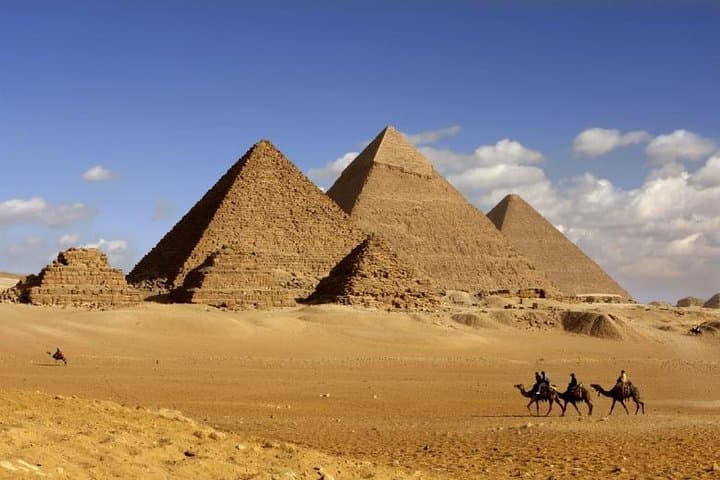
The day begins before dawn in Hurghada: a private car hums awake, headlights cutting across desert plains as the Red Sea recedes behind you. By late morning the Giza plateau emerges — stones stacked by hands that dared to move mountains — and the Sphinx watches as you approach, a quiet inspector of millennia.
Verified experiences and guided adventures in the surrounding area.
Operated by Travel to Egypt · Hurghada, Red Sea Governorate
The day begins before dawn in Hurghada: a private car hums awake, headlights cutting across desert plains as the Red Sea recedes behind you. By late morning the Giza plateau emerges — stones stacked by hands that dared to move mountains — and the Sphinx watches as you approach, a quiet inspector of millennia.
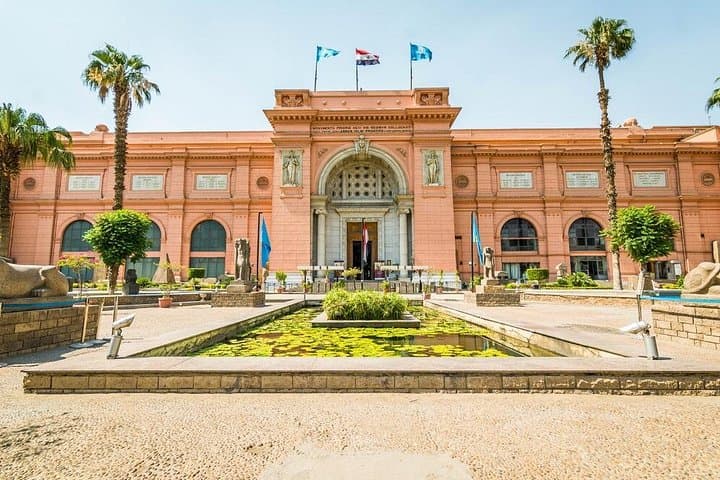
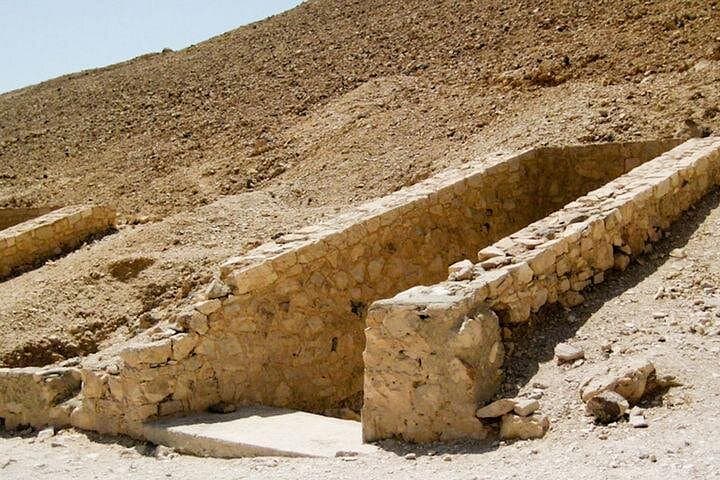
This compact itinerary threads two epochs of Egypt’s story. In Cairo the Egyptian Museum and the Citadel chart millennia of pharaonic and Islamic power; Luxor opens the Theban necropolis, where tomb walls still point a finger toward the afterlife. Geologically, the Nile Valley’s limestone cliffs cradle royal tombs while the surrounding desert hardens monuments against wind and time.
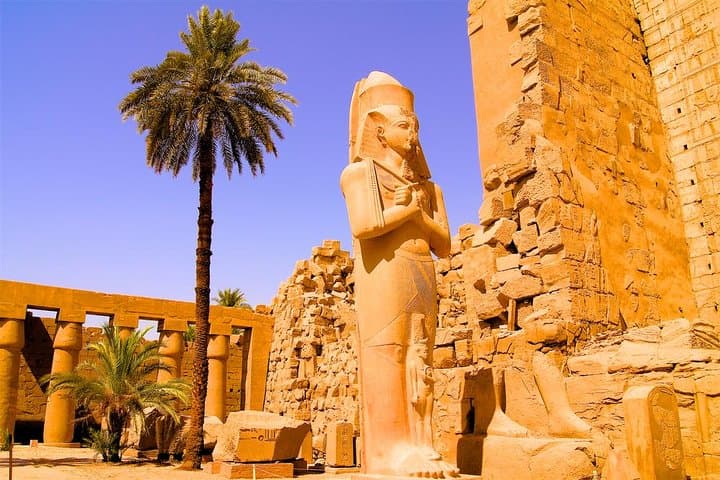
Culturally, expect a mix of bustling bazaars, call-to-prayer rhythms, and guides fluent in the mythology tethered to each column and cartouche. Local insight: a late-afternoon visit to Karnak softens light in the Hypostyle Hall, and a short felucca ride lets the Nile itself push you along — a living highway that shaped Egypt’s economy and faith.
Practical guidance: this is a fast-paced, private two-day loop that combines a 5‑hour road transfer, an internal flight, and several hours of walking on uneven surfaces. Wear breathable layers, sun protection, and comfortable shoes; carry photocopies of documents. Expect guided entries to major sites, but note some tombs have size limits and additional fees.
Plan for early starts, keep water handy, and leave room in your schedule to quiet down in Luxor as the desert cools and the temples reclaim their shadows.
moderate.
2 days.
Light to moderate fitness; able to manage several hours of walking on uneven terrain and handle long transfers.
Day 1 covers Giza, the Egyptian Museum and the Citadel before flying to Luxor; Day 2 covers the Valley of the Kings, Hatshepsut Temple, Colossi of Memnon and Karnak.
The tour includes the domestic flight from Cairo to Luxor and lunches; some tomb entries and optional sites like Tutankhamun’s tomb may require additional fees on-site.
Yes — the tour is marketed as suitable for all fitness levels, but long transfers and stairs inside some monuments may be tiring for very young children or those with mobility limits.
Yes — private hotel pickup and drop-off in Hurghada are included; you’ll provide pickup details at booking.
The route links Old Kingdom Giza tombs with New Kingdom Thebes; Luxor served as the pharaonic capital and ceremonial heart of ancient Egypt.
High visitor numbers stress fragile carvings and painted tomb chambers — follow path restrictions, don’t touch reliefs, and use local guides to minimize impact.
Travel to Egypt operates guided outdoor trips and adventures with an emphasis on safety, stewardship, and memorable experiences.
The day begins before dawn in Hurghada: a private car hums awake, headlights cutting across desert plains as the Red Sea recedes behind you. By late morning the Giza plateau emerges — stones stacked by hands that dared to move mountains — and the Sphinx watches as you approach, a quiet inspector of millennia.
The day begins before dawn in Hurghada: a private car hums awake, headlights cutting across desert plains as the Red Sea recedes behind you. By late morning the Giza plateau emerges — stones stacked by hands that dared to move mountains — and the Sphinx watches as you approach, a quiet inspector of millennia.
This compact itinerary threads two epochs of Egypt’s story. In Cairo the Egyptian Museum and the Citadel chart millennia of pharaonic and Islamic power; Luxor opens the Theban necropolis, where tomb walls still point a finger toward the afterlife. Geologically, the Nile Valley’s limestone cliffs cradle royal tombs while the surrounding desert hardens monuments against wind and time.
Culturally, expect a mix of bustling bazaars, call-to-prayer rhythms, and guides fluent in the mythology tethered to each column and cartouche. Local insight: a late-afternoon visit to Karnak softens light in the Hypostyle Hall, and a short felucca ride lets the Nile itself push you along — a living highway that shaped Egypt’s economy and faith.
Practical guidance: this is a fast-paced, private two-day loop that combines a 5‑hour road transfer, an internal flight, and several hours of walking on uneven surfaces. Wear breathable layers, sun protection, and comfortable shoes; carry photocopies of documents. Expect guided entries to major sites, but note some tombs have size limits and additional fees.
Plan for early starts, keep water handy, and leave room in your schedule to quiet down in Luxor as the desert cools and the temples reclaim their shadows.