THE ADVENTURE COLLECTIVE® · Independent discovery and booking for outdoor travel

A hands-on 48‑hour itinerary by bullet train from Zhengzhou that pairs Jinan’s spring-fed parks with Qufu’s Confucian heritage. Fast trains, focused site visits, and practical walking routes make this a compact cultural escape.
A hands-on 48‑hour itinerary by bullet train from Zhengzhou that pairs Jinan’s spring-fed parks with Qufu’s Confucian heritage. Fast trains, focused site visits, and practical walking routes make this a compact cultural escape.
You step off the morning high-speed train into Jinan and the air feels steadier — springs keep the city cool even as traffic hums beyond the park gates. Your guide leads the way through Baotu Spring’s pavilions where water bubbles at a steady 18°C, then along Furong Ancient Street where merchant stalls still trade in familiar rhythms.
Verified experiences and guided adventures in the surrounding area.
Operated by Discover Beijing Tours · Jinan, Shandong
You step off the morning high-speed train into Jinan and the air feels steadier — springs keep the city cool even as traffic hums beyond the park gates. Your guide leads the way through Baotu Spring’s pavilions where water bubbles at a steady 18°C, then along Furong Ancient Street where merchant stalls still trade in familiar rhythms.
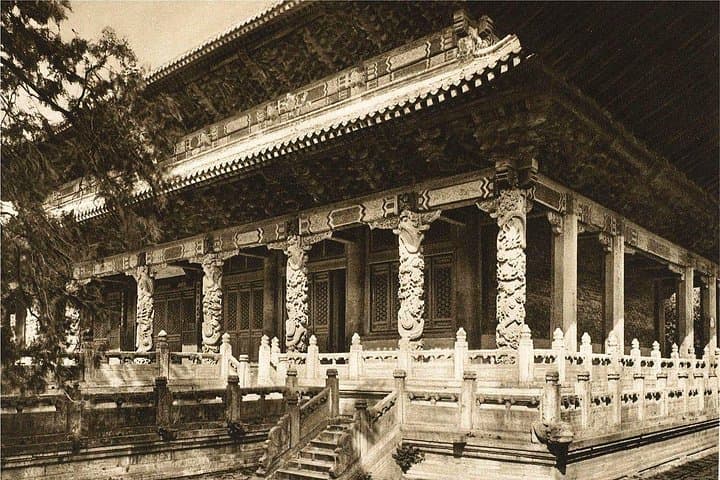
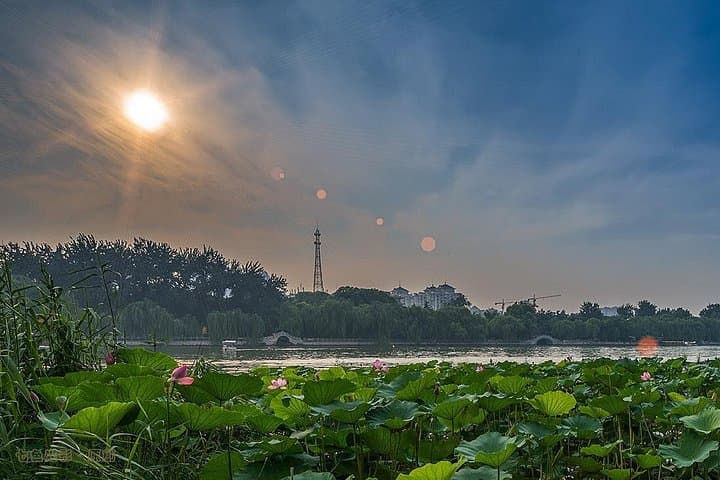
Geology here is simple and visible: Jinan sits on a spring-fed aquifer, its pools and Daming Lake formed where groundwater reaches the surface. That geology shaped culture — poets and officials have walked these waters for centuries. Qufu, an hour by bullet train, is China’s living link to Confucius, with a Temple originally established in 478 BC and a family cemetery used continuously by descendants for two millennia.
The two-day rhythm is practical: a long morning rail from Zhengzhou to Jinan (about four hours), a day of park and city walks, then a short 40-minute bullet hop to Qufu for concentrated cultural sites — Temple of Confucius, the Kong Family Mansion, and the ancestral cemetery — before a later return to Zhengzhou.
Expect steady walking on paved paths, courtyard steps, and crowded market lanes; light luggage is advisable. Practicalities: bring your passport for ticketing, carry local currency and bottled water, and wear supportive shoes for several hours of standing and stair-climbing. Timing your photos for early morning light at Baotu Spring or late afternoon in Qufu will avoid the heaviest crowds. This itinerary balances efficient travel with a measured pace through history — water urges you forward, stone holds the past.
moderate.
2 days.
Suitable for travelers who can walk 3–6 miles over a day with stairs and standing; not strenuous but active.
Yes — the tour notes state you must book your own Jinan hotel; pickup starts from your hotel lobby on day two.
Second-class bullet train tickets are included for the intercity legs between Zhengzhou, Jinan and Qufu.
The tour is marked stroller-accessible and infants may ride in prams, but expect stairs and crowded courtyards that can be awkward with large strollers.
Entrance fees and two local lunches are included, along with bottled water and an English-speaking guide.
Jinan’s springs have been notable since at least the Shang period; Qufu grew as a ritual and scholarly center after Confucius’ death, with temple and family compounds evolving through Jin, Yuan, Ming and Qing dynasties.
These parks are managed for heavy public use; stick to paths, avoid feeding wildlife, and use provided trash receptacles to protect the aquifer-fed springs.
Discover Beijing Tours operates guided outdoor trips and adventures with an emphasis on safety, stewardship, and memorable experiences.
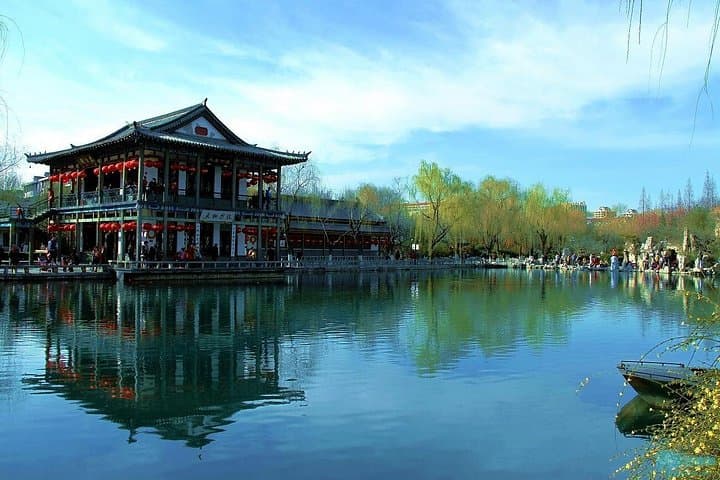
You step off the morning high-speed train into Jinan and the air feels steadier — springs keep the city cool even as traffic hums beyond the park gates. Your guide leads the way through Baotu Spring’s pavilions where water bubbles at a steady 18°C, then along Furong Ancient Street where merchant stalls still trade in familiar rhythms.
You step off the morning high-speed train into Jinan and the air feels steadier — springs keep the city cool even as traffic hums beyond the park gates. Your guide leads the way through Baotu Spring’s pavilions where water bubbles at a steady 18°C, then along Furong Ancient Street where merchant stalls still trade in familiar rhythms.
Geology here is simple and visible: Jinan sits on a spring-fed aquifer, its pools and Daming Lake formed where groundwater reaches the surface. That geology shaped culture — poets and officials have walked these waters for centuries. Qufu, an hour by bullet train, is China’s living link to Confucius, with a Temple originally established in 478 BC and a family cemetery used continuously by descendants for two millennia.
The two-day rhythm is practical: a long morning rail from Zhengzhou to Jinan (about four hours), a day of park and city walks, then a short 40-minute bullet hop to Qufu for concentrated cultural sites — Temple of Confucius, the Kong Family Mansion, and the ancestral cemetery — before a later return to Zhengzhou.
Expect steady walking on paved paths, courtyard steps, and crowded market lanes; light luggage is advisable. Practicalities: bring your passport for ticketing, carry local currency and bottled water, and wear supportive shoes for several hours of standing and stair-climbing. Timing your photos for early morning light at Baotu Spring or late afternoon in Qufu will avoid the heaviest crowds. This itinerary balances efficient travel with a measured pace through history — water urges you forward, stone holds the past.