THE ADVENTURE COLLECTIVE® · Independent discovery and booking for outdoor travel

Two days of private touring across Bali’s cultural and geological highlights: sacred springs, rice terraces, a volcanic caldera and cliff-top temples at sunset. Ideal for travelers who want concentrated scenery and culture with hotel pickup and a local guide.
Two days of private touring across Bali’s cultural and geological highlights: sacred springs, rice terraces, a volcanic caldera and cliff-top temples at sunset. Ideal for travelers who want concentrated scenery and culture with hotel pickup and a local guide.
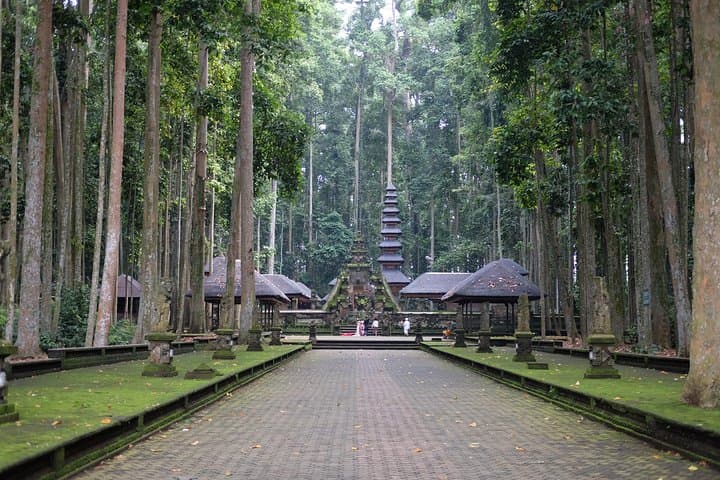
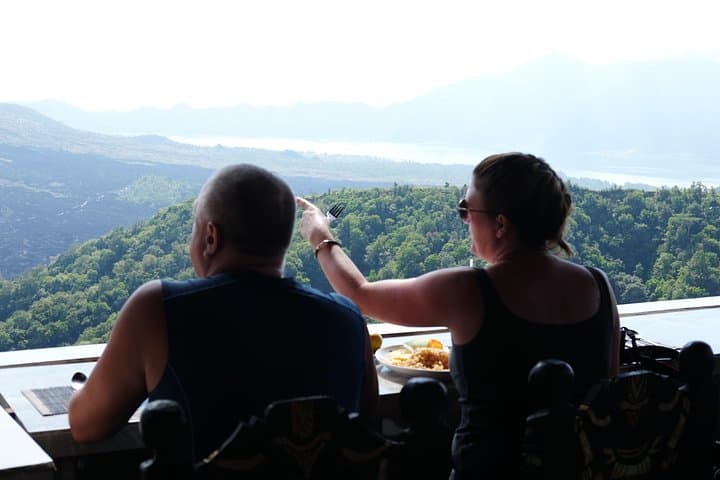
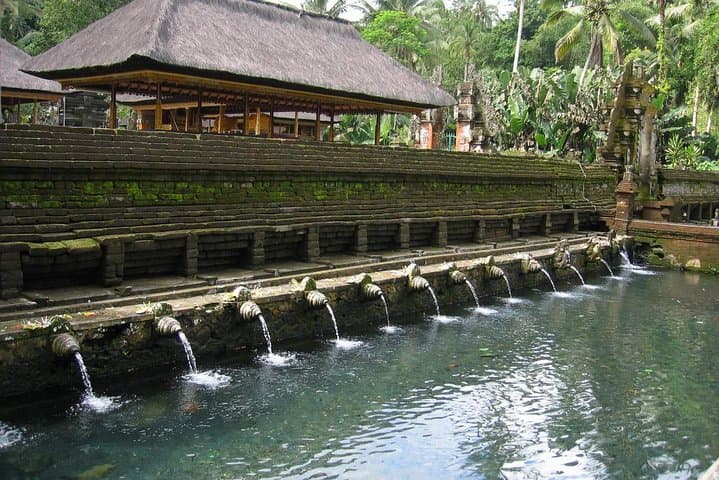
A low-slung minivan eases out of Kuta predawn, headlights cutting through humid air as the island wakes. On day one the road climbs toward central Bali—rice terraces sharpen into steps, roadside shrines mark turns, and the silhouette of Mount Batur rises, its 1,717 m caldera tracing a wide rim above a scattered lake. You’ll move between cultural anchors: Tirta Empul’s ritual springs where Balinese pilgrims perform purification, the hand-forged silver of Celuk, and the layered fields of Tegalalang, shaped by the cooperative subak irrigation system.
Verified experiences and guided adventures in the surrounding area.
Operated by Putu Bali Driver · Kuta, Bali
A low-slung minivan eases out of Kuta predawn, headlights cutting through humid air as the island wakes. On day one the road climbs toward central Bali—rice terraces sharpen into steps, roadside shrines mark turns, and the silhouette of Mount Batur rises, its 1,717 m caldera tracing a wide rim above a scattered lake. You’ll move between cultural anchors: Tirta Empul’s ritual springs where Balinese pilgrims perform purification, the hand-forged silver of Celuk, and the layered fields of Tegalalang, shaped by the cooperative subak irrigation system.
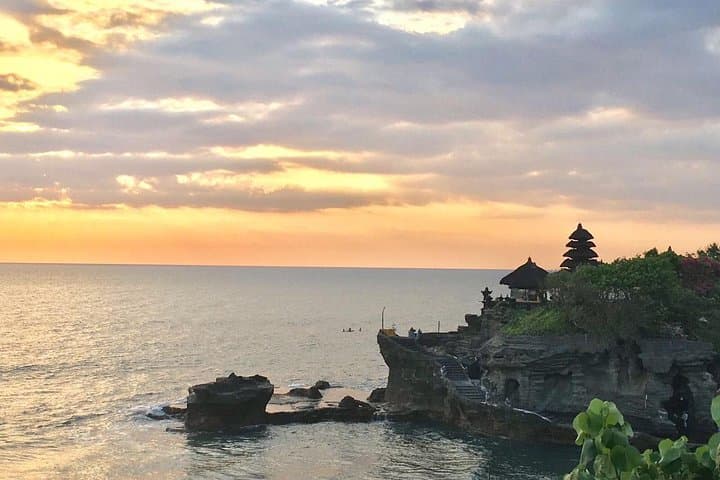
Day two shifts coastal: the offshore rock of Tanah Lot peels at high tide, then Taman Ayun’s 17th-century royal compound and its protective moat recall Mengwi kingdom-era Bali. Nusa Dua offers a pause of pale sand and clear water before Uluwatu’s cliff edge becomes the stage for a Kecak fire dance at sunset, the Pacific wind pushing sound and shadow out to sea.
The tour blends short walks (mostly paved or stepped paths) with highway driving; expect frequent stops rather than long treks. Terrain ranges from flat temple courtyards to uneven terrace edges and stair-steep viewpoints—average walking segments are 15–45 minutes. Cultural context matters: dress respectfully at temples (shoulders and knees covered), remove shoes when required, and follow your guide’s lead around ritual spaces.
Practical notes: rise early for cooler air and softer light at Batur, carry sunscreen and a lightweight rain layer in wet months, and allow extra time for traffic between coastal and central sites. This private, two-day format suits travelers who want concentrated cultural and scenic highlights without long hikes, with the flexibility to linger where the view or coffee calls.
easy.
2 days (8–10 hours per day).
Suitable for most fitness levels; involves short walks, stairs, and standing at viewpoints but no sustained hiking.
Yes—pickup and drop-off from selected hotels are included both mornings; confirm your pickup point when you book.
Most listed temple and attraction entrance fees are included in the tour, but check specifics for optional activities like luwak coffee tastings.
The tour is paced for all ages, though some temple sites and terrace viewpoints have stairs and uneven paths; notify the operator of mobility needs.
This is a private tour, so your guide can typically adjust stops or timing within the two days—discuss preferences at booking.
Sites like Taman Ayun date to the 1600s and reflect Bali’s royal kingdoms; Tirta Empul’s spring has been a ritual center since medieval Balinese kingdoms consolidated Hindu practice.
The subak irrigation system is a living agricultural practice recognized by UNESCO—respect terrace edges and local farming by staying on paths and not littering. Tourism pressure is managed locally through timed access and community guidelines at sensitive temples.
Putu Bali Driver operates guided outdoor trips and adventures with an emphasis on safety, stewardship, and memorable experiences.
A low-slung minivan eases out of Kuta predawn, headlights cutting through humid air as the island wakes. On day one the road climbs toward central Bali—rice terraces sharpen into steps, roadside shrines mark turns, and the silhouette of Mount Batur rises, its 1,717 m caldera tracing a wide rim above a scattered lake. You’ll move between cultural anchors: Tirta Empul’s ritual springs where Balinese pilgrims perform purification, the hand-forged silver of Celuk, and the layered fields of Tegalalang, shaped by the cooperative subak irrigation system.
A low-slung minivan eases out of Kuta predawn, headlights cutting through humid air as the island wakes. On day one the road climbs toward central Bali—rice terraces sharpen into steps, roadside shrines mark turns, and the silhouette of Mount Batur rises, its 1,717 m caldera tracing a wide rim above a scattered lake. You’ll move between cultural anchors: Tirta Empul’s ritual springs where Balinese pilgrims perform purification, the hand-forged silver of Celuk, and the layered fields of Tegalalang, shaped by the cooperative subak irrigation system.
Day two shifts coastal: the offshore rock of Tanah Lot peels at high tide, then Taman Ayun’s 17th-century royal compound and its protective moat recall Mengwi kingdom-era Bali. Nusa Dua offers a pause of pale sand and clear water before Uluwatu’s cliff edge becomes the stage for a Kecak fire dance at sunset, the Pacific wind pushing sound and shadow out to sea.
The tour blends short walks (mostly paved or stepped paths) with highway driving; expect frequent stops rather than long treks. Terrain ranges from flat temple courtyards to uneven terrace edges and stair-steep viewpoints—average walking segments are 15–45 minutes. Cultural context matters: dress respectfully at temples (shoulders and knees covered), remove shoes when required, and follow your guide’s lead around ritual spaces.
Practical notes: rise early for cooler air and softer light at Batur, carry sunscreen and a lightweight rain layer in wet months, and allow extra time for traffic between coastal and central sites. This private, two-day format suits travelers who want concentrated cultural and scenic highlights without long hikes, with the flexibility to linger where the view or coffee calls.