THE ADVENTURE COLLECTIVE® · Independent discovery and booking for outdoor travel

Watch Angkor Wat at sunrise, explore Bayon’s stone faces, wander Ta Prohm’s tree-choked corridors and visit a Tonle Sap floating village over two immersive days. This private tour pairs early starts with quieter moments at the park’s most iconic sites.
Watch Angkor Wat at sunrise, explore Bayon’s stone faces, wander Ta Prohm’s tree-choked corridors and visit a Tonle Sap floating village over two immersive days. This private tour pairs early starts with quieter moments at the park’s most iconic sites.
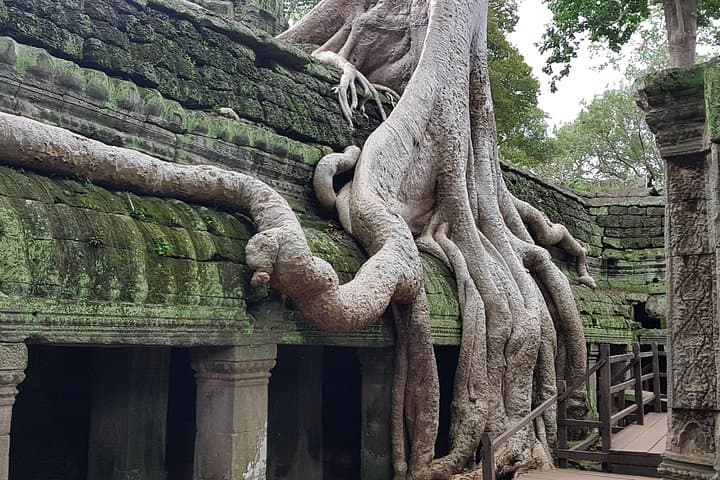
You arrive before dawn: a thin, humid air presses against ancient stone as lanterns bob down the temple causeway and the first gold of sunrise tips Angkor Wat’s central towers. The guide steers you through quiet galleries while the day wakes—then later, you chase a low pink sun from Bayon’s sculpted faces to Ta Prohm’s root-wrapped walls.
Verified experiences and guided adventures in the surrounding area.
Operated by Angkor Special Tours · Siem Reap, Siem Reap Province
You arrive before dawn: a thin, humid air presses against ancient stone as lanterns bob down the temple causeway and the first gold of sunrise tips Angkor Wat’s central towers. The guide steers you through quiet galleries while the day wakes—then later, you chase a low pink sun from Bayon’s sculpted faces to Ta Prohm’s root-wrapped walls.
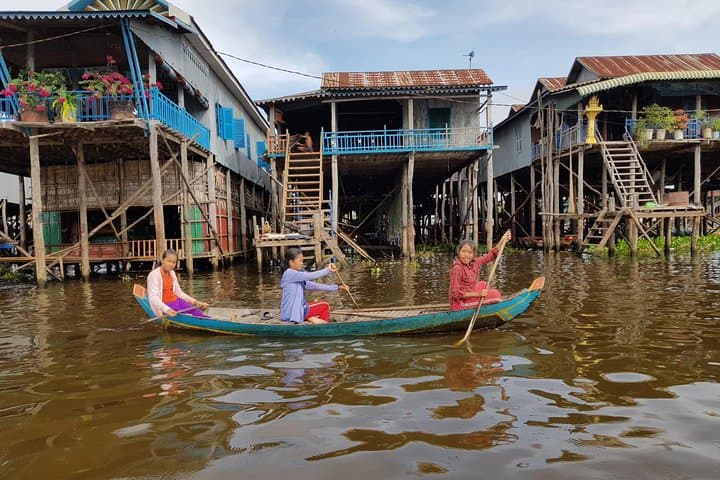
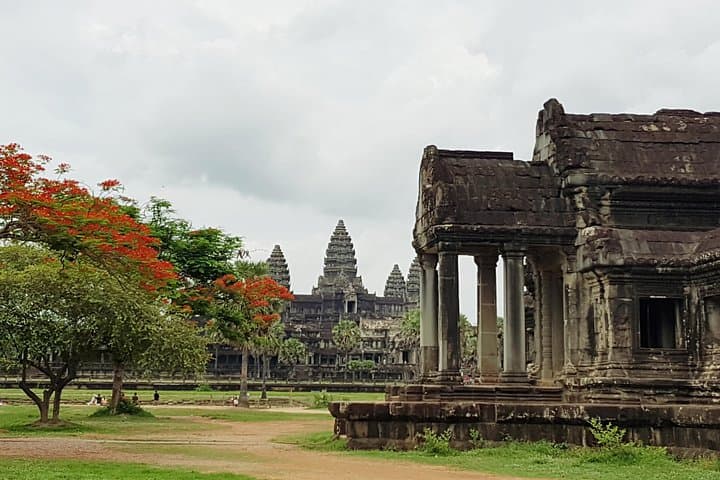
These two days stitch together the high points of the Khmer empire and the living landscape around Siem Reap. Angkor Wat, begun in the 12th century under Suryavarman II, anchors the park; nearby Angkor Thom and the enigmatic Bayon bear the stamp of Jayavarman VII’s Buddhist restorations. Ta Prohm preserves the interplay of jungle and architecture that made it a filming site; Banteay Srei, older and carved from rose sandstone, showcases some of the most intricate reliefs in the region. Day two shifts from stone to water: Tonle Sap’s floating villages and flooded forests reveal a seasonal ecosystem where boats are the main streets.
Practicalities: expect long days (early starts for sunrise), uneven stone and staircases, and intermittent shade. Bring a passport for Angkor Park tickets (your guide can assist), modest clothing for temples (shoulders and knees covered), and cash for local vendors and a required boat/cruise fee at Tonle Sap. Pace your visit: reserve sunset spots early, hydrate between temples, and allow time on day two to watch the water-level changes that shape local life.
moderate.
2 days (approx. 8–10 hours per day).
Suitable for travelers with moderate fitness who can handle multiple hours of walking and short climbs each day.
Yes—you must purchase an Angkor Archaeological Park pass to enter the temples; your guide will help arrange tickets at the welcome center (bring your passport).
Sunrise pickups are typically around 4:30–5:00 AM to reach Angkor Wat before sunrise and queues—expect a very early departure on that day.
The tour usually provides cold water and towels; meals and lunches are paid by travelers at local restaurants or picnic spots unless otherwise specified.
Yes, but the appearance of the village and flooded forest changes with the monsoon cycle—high water (wet season) makes boat access deeper and more extensive than during the dry season.
The Angkor complex was the heart of the Khmer Empire from the 9th to 15th centuries; successive kings built and repurposed temples reflecting Hindu and Buddhist traditions.
Tourism revenues fund conservation and the APSARA Authority; visitors help by staying on designated paths, not touching carvings and minimizing plastic waste.
Angkor Special Tours operates guided outdoor trips and adventures with an emphasis on safety, stewardship, and memorable experiences.
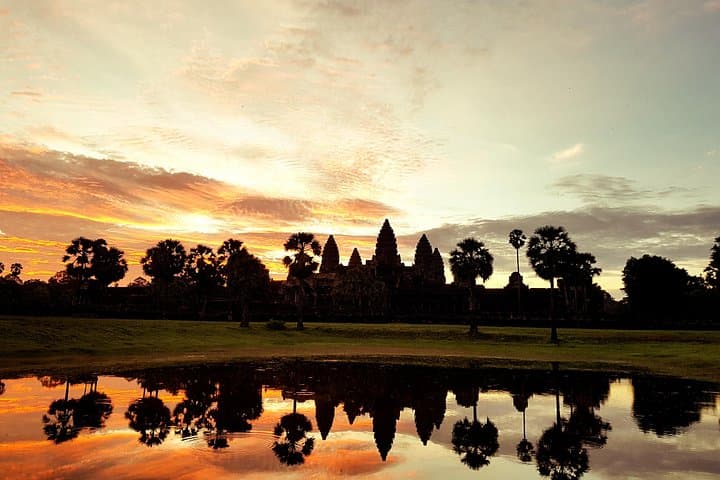
You arrive before dawn: a thin, humid air presses against ancient stone as lanterns bob down the temple causeway and the first gold of sunrise tips Angkor Wat’s central towers. The guide steers you through quiet galleries while the day wakes—then later, you chase a low pink sun from Bayon’s sculpted faces to Ta Prohm’s root-wrapped walls.
You arrive before dawn: a thin, humid air presses against ancient stone as lanterns bob down the temple causeway and the first gold of sunrise tips Angkor Wat’s central towers. The guide steers you through quiet galleries while the day wakes—then later, you chase a low pink sun from Bayon’s sculpted faces to Ta Prohm’s root-wrapped walls.
These two days stitch together the high points of the Khmer empire and the living landscape around Siem Reap. Angkor Wat, begun in the 12th century under Suryavarman II, anchors the park; nearby Angkor Thom and the enigmatic Bayon bear the stamp of Jayavarman VII’s Buddhist restorations. Ta Prohm preserves the interplay of jungle and architecture that made it a filming site; Banteay Srei, older and carved from rose sandstone, showcases some of the most intricate reliefs in the region. Day two shifts from stone to water: Tonle Sap’s floating villages and flooded forests reveal a seasonal ecosystem where boats are the main streets.
Practicalities: expect long days (early starts for sunrise), uneven stone and staircases, and intermittent shade. Bring a passport for Angkor Park tickets (your guide can assist), modest clothing for temples (shoulders and knees covered), and cash for local vendors and a required boat/cruise fee at Tonle Sap. Pace your visit: reserve sunset spots early, hydrate between temples, and allow time on day two to watch the water-level changes that shape local life.