THE ADVENTURE COLLECTIVE® · Independent discovery and booking for outdoor travel

Spend two days between Lac Rose and the Lompoul dunes: watch salt harvesters at the pink lake, splash on the coast, then sleep under the stars after a camel ride and drumming in the desert.
Spend two days between Lac Rose and the Lompoul dunes: watch salt harvesters at the pink lake, splash on the coast, then sleep under the stars after a camel ride and drumming in the desert.
You arrive before dawn at a shallow lake that catches the light like a flushed cheek — locals already hauling baskets of salt, hands pink from the water. Later the 4x4 cuts across low dunes that shift under the tires, pushing you toward a night in a compact desert where drums steady the rhythm of the stars.
Verified experiences and guided adventures in the surrounding area.
Operated by Djibril Dieng · Dakar, Dakar Region
You arrive before dawn at a shallow lake that catches the light like a flushed cheek — locals already hauling baskets of salt, hands pink from the water. Later the 4x4 cuts across low dunes that shift under the tires, pushing you toward a night in a compact desert where drums steady the rhythm of the stars.
Lake Retba (Lac Rose) owes its color to halophilic algae and extreme salinity; locals have harvested salt here for generations. The Lompoul dunes are wind-carved sand rising from coastal plains, a small Saharan echo where rally teams test machines and camels trace older routes. Wolof communities and desert camp staff bring meals, stories, and traditional djembé into the evening.
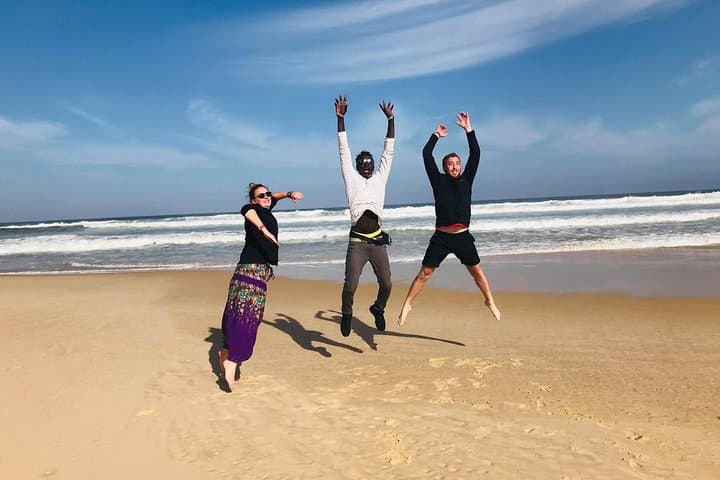
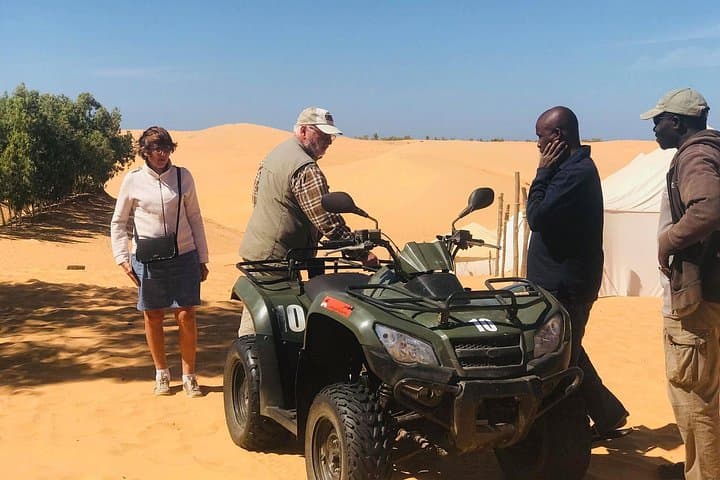
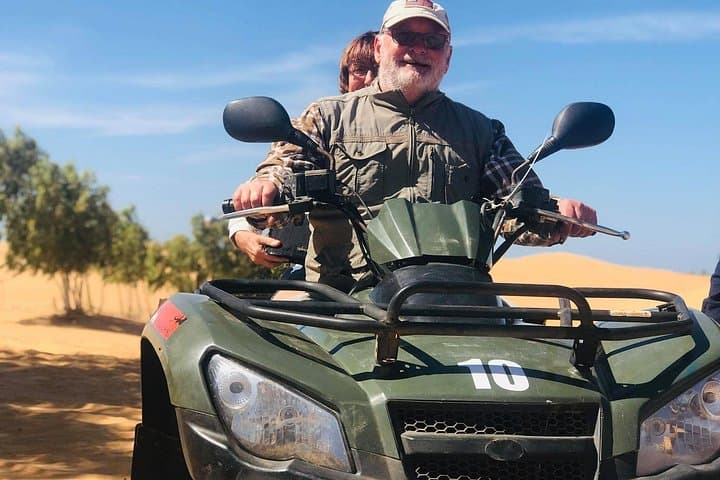
Expect sandy trails, shallow salt flats, short dune climbs and a calm camel ride; elevation changes are modest but walking in soft sand demands energy. The two-day circuit typically includes a morning at the pink lake with explanations of salt harvesting, a coastal swim, then a drive north to a desert camp where a candlelit dinner and drumming follow a sunset dune scramble.
Practical: travel from Dakar involves several hours of driving across mixed paved and sandy roads — plan for sun, dust and limited shade. Bring sunscreen, ample water, cash for local purchases, and light layers for cool desert nights. Swim in the lake with caution — high salinity increases buoyancy and can sting open cuts. Respect local customs: dress modestly when visiting villages and ask before photographing workers.
This trip is sensory and straightforward: bright salt, shifting sand, and a night in the dunes that makes the landscape feel alive and mobile.
moderate.
2 days (approx. 48 hours).
Light to moderate fitness: able to walk on soft sand, handle short dune climbs and long vehicle transfers
The lake’s pink hue is strongest in the dry season when salinity rises and halophilic algae proliferate; color can vary with rainfall and light conditions.
Yes — the water is very salty so you float more easily, but it can sting if you have cuts; rinse with fresh water afterward.
Short camel rides are generally safe for older children when supervised, but confirm age limits and safety measures with the operator before booking.
Accommodations range from simple ecolodges to desert canvas camps with shared facilities; expect basic comfort with communal dining and traditional entertainment.
Lake Retba has long supported a local salt trade; the Lompoul dunes later became a notable leg on off-road rally routes, shaping regional tourism.
The lake’s ecosystem and dune environment are sensitive to trash and off-trail driving — minimize waste, avoid disturbing harvest operations and follow guide instructions to reduce impact.
Djibril Dieng operates guided outdoor trips and adventures with an emphasis on safety, stewardship, and memorable experiences.
You arrive before dawn at a shallow lake that catches the light like a flushed cheek — locals already hauling baskets of salt, hands pink from the water. Later the 4x4 cuts across low dunes that shift under the tires, pushing you toward a night in a compact desert where drums steady the rhythm of the stars.
You arrive before dawn at a shallow lake that catches the light like a flushed cheek — locals already hauling baskets of salt, hands pink from the water. Later the 4x4 cuts across low dunes that shift under the tires, pushing you toward a night in a compact desert where drums steady the rhythm of the stars.
Lake Retba (Lac Rose) owes its color to halophilic algae and extreme salinity; locals have harvested salt here for generations. The Lompoul dunes are wind-carved sand rising from coastal plains, a small Saharan echo where rally teams test machines and camels trace older routes. Wolof communities and desert camp staff bring meals, stories, and traditional djembé into the evening.
Expect sandy trails, shallow salt flats, short dune climbs and a calm camel ride; elevation changes are modest but walking in soft sand demands energy. The two-day circuit typically includes a morning at the pink lake with explanations of salt harvesting, a coastal swim, then a drive north to a desert camp where a candlelit dinner and drumming follow a sunset dune scramble.
Practical: travel from Dakar involves several hours of driving across mixed paved and sandy roads — plan for sun, dust and limited shade. Bring sunscreen, ample water, cash for local purchases, and light layers for cool desert nights. Swim in the lake with caution — high salinity increases buoyancy and can sting open cuts. Respect local customs: dress modestly when visiting villages and ask before photographing workers.
This trip is sensory and straightforward: bright salt, shifting sand, and a night in the dunes that makes the landscape feel alive and mobile.