THE ADVENTURE COLLECTIVE® · Independent discovery and booking for outdoor travel

Two days of surf, forest paths and coastal lagoons on Chile’s famed surf coast. Ideal for mixed groups—beginners can learn the basics while more experienced riders chase Punta de Lobos' powerful lefts.
Two days of surf, forest paths and coastal lagoons on Chile’s famed surf coast. Ideal for mixed groups—beginners can learn the basics while more experienced riders chase Punta de Lobos' powerful lefts.
The Pacific wind is tangible here: it tugs at your jacket, teases the sand, and shapes the waves that make Pichilemu famous. On a morning stretch of beach, surf lines roll in with a steady, insistent cadence that dares you to paddle out; inland, a pine-and-evergreen ring of forest at Panilonco cushions the air and muffles the ocean’s roar.
Verified experiences and guided adventures in the surrounding area.
Operated by El Sol de pichilemu · Pichilemu, O'Higgins Region
The Pacific wind is tangible here: it tugs at your jacket, teases the sand, and shapes the waves that make Pichilemu famous. On a morning stretch of beach, surf lines roll in with a steady, insistent cadence that dares you to paddle out; inland, a pine-and-evergreen ring of forest at Panilonco cushions the air and muffles the ocean’s roar.
Pichilemu began as a quiet fishing town on Chile’s O’Higgins coast and earned its surf reputation after Punta de Lobos’ rocky headland proved ideal for powerful left-hand breaks. Geologically, the shoreline alternates between sandy beaches, rocky points and sheltered lagoons formed where coastal streams meet the sea. Local culture revolves around fishing, salt-making in nearby Cáhuil, and a growing surf tourism scene that still values low-key and community-run operators.
Over two days you’ll mix surf lessons or free-surf time with short forest walks and lagoon viewing—expect short transfers, simple accommodations with breakfast, and evenings spent watching the swell from town. Practical notes: water is cool year-round; wetsuits are commonly required outside peak summer; tides and swell size control which spots are surfable; local guides know which beaches suit beginners.
Bring layered clothing, sun protection, and a willingness to follow local guidance about rip currents and rock hazards. Time your sessions for morning or late afternoon wind lulls, and leave room to explore Cáhuil’s salt flats or a Panilonco viewpoint between sets. Respect dunes and nesting birds, and you’ll leave with sharper turns, quieter lungs, and a clearer sense of why surfers keep returning to Pichilemu.
easy.
2 days (approx. 49 hours total).
Suitable for general fitness; participants should be comfortable with repeated paddling and short hikes.
Yes—operators offer lessons and progressive instruction; guides place beginners on protected beaches while more experienced surfers head to stronger breaks.
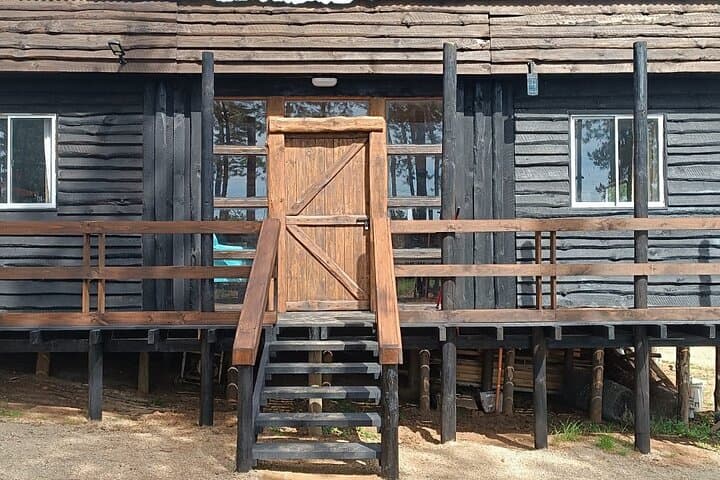
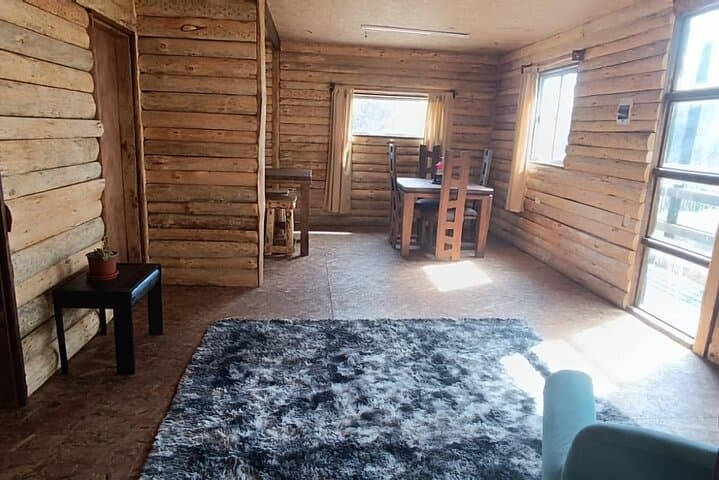
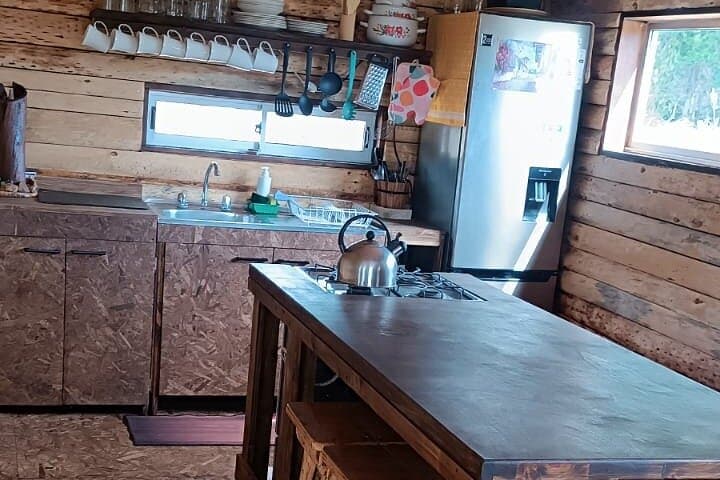
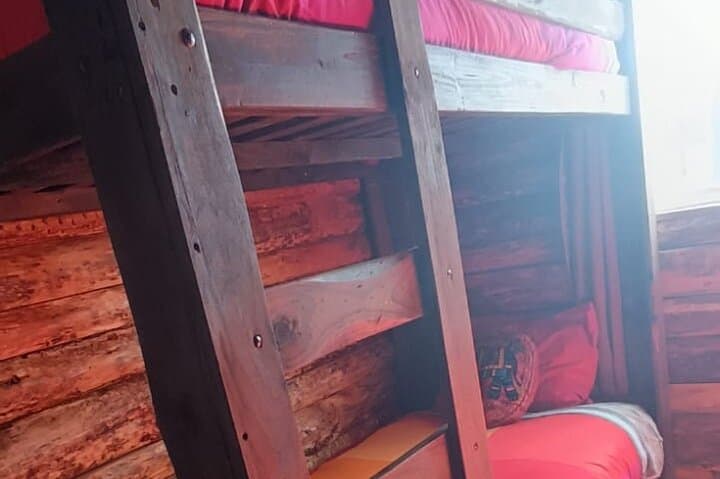
Accommodation with breakfast is included; activities typically cover guided surf sessions and short transfers—confirm specifics with the operator before booking.
Pichilemu is about a 3–4 hour drive from Santiago by car or bus; many tours can arrange transfers—provide flight and arrival details when booking.
Full refund if canceled at least 24 hours before departure; weather-dependent cancellations are allowed—check your booking confirmation for details.
Pichilemu evolved from a fishing village into an international surf destination after Punta de Lobos drew big-wave attention; local communities still practice fishing and salt production.
Protect dunes and nesting birds by staying on trails; many local operators support beach cleanups and limit access to sensitive spots to reduce erosion.
El Sol de pichilemu operates guided outdoor trips and adventures with an emphasis on safety, stewardship, and memorable experiences.
The Pacific wind is tangible here: it tugs at your jacket, teases the sand, and shapes the waves that make Pichilemu famous. On a morning stretch of beach, surf lines roll in with a steady, insistent cadence that dares you to paddle out; inland, a pine-and-evergreen ring of forest at Panilonco cushions the air and muffles the ocean’s roar.
The Pacific wind is tangible here: it tugs at your jacket, teases the sand, and shapes the waves that make Pichilemu famous. On a morning stretch of beach, surf lines roll in with a steady, insistent cadence that dares you to paddle out; inland, a pine-and-evergreen ring of forest at Panilonco cushions the air and muffles the ocean’s roar.
Pichilemu began as a quiet fishing town on Chile’s O’Higgins coast and earned its surf reputation after Punta de Lobos’ rocky headland proved ideal for powerful left-hand breaks. Geologically, the shoreline alternates between sandy beaches, rocky points and sheltered lagoons formed where coastal streams meet the sea. Local culture revolves around fishing, salt-making in nearby Cáhuil, and a growing surf tourism scene that still values low-key and community-run operators.
Over two days you’ll mix surf lessons or free-surf time with short forest walks and lagoon viewing—expect short transfers, simple accommodations with breakfast, and evenings spent watching the swell from town. Practical notes: water is cool year-round; wetsuits are commonly required outside peak summer; tides and swell size control which spots are surfable; local guides know which beaches suit beginners.
Bring layered clothing, sun protection, and a willingness to follow local guidance about rip currents and rock hazards. Time your sessions for morning or late afternoon wind lulls, and leave room to explore Cáhuil’s salt flats or a Panilonco viewpoint between sets. Respect dunes and nesting birds, and you’ll leave with sharper turns, quieter lungs, and a clearer sense of why surfers keep returning to Pichilemu.