THE ADVENTURE COLLECTIVE® · Independent discovery and booking for outdoor travel

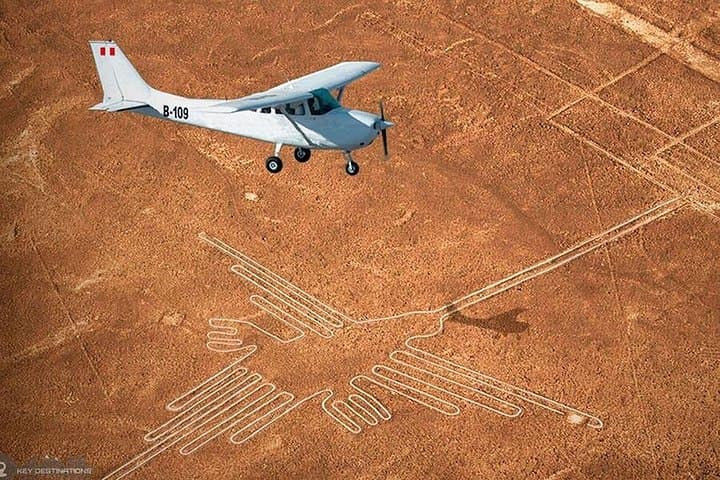
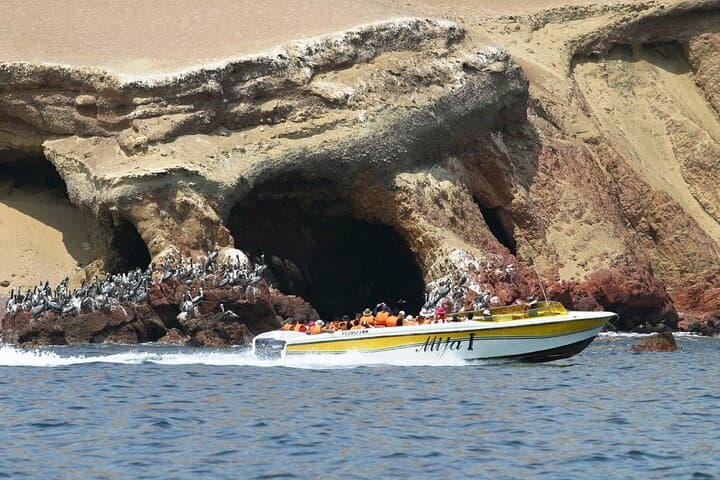
See sea lions and the enigmatic Chandelier from a Paracas boat, charge Huacachina’s dunes by buggy, then fly over the ancient Nazca Lines—all in 48 hours. This two-day tour stitches coastal wildlife, desert adrenaline and aerial archaeology into a single, well-paced itinerary.
See sea lions and the enigmatic Chandelier from a Paracas boat, charge Huacachina’s dunes by buggy, then fly over the ancient Nazca Lines—all in 48 hours. This two-day tour stitches coastal wildlife, desert adrenaline and aerial archaeology into a single, well-paced itinerary.
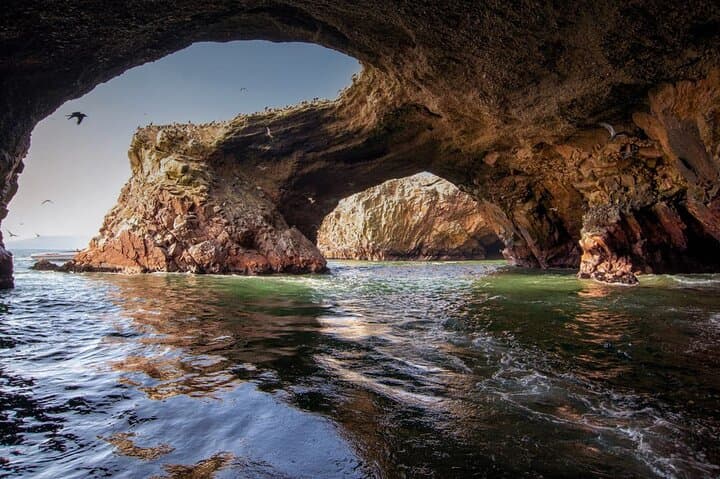
Morning light breaks on the Pacific as a small boat slips from Paracas’ pier, waves nudging the hull while cormorants wheel overhead. The itinerary moves fast: a guided cruise through the Ballestas’ pinnacles and sea-lion rookeries, an Ica city taste of pisco, a late-afternoon charge across Huacachina’s dunes and, on day two, the thin-line geometry of the Nazca figures seen from a light aircraft.
Verified experiences and guided adventures in the surrounding area.
Operated by MachuPicchu Journey · Paracas, Ica
Morning light breaks on the Pacific as a small boat slips from Paracas’ pier, waves nudging the hull while cormorants wheel overhead. The itinerary moves fast: a guided cruise through the Ballestas’ pinnacles and sea-lion rookeries, an Ica city taste of pisco, a late-afternoon charge across Huacachina’s dunes and, on day two, the thin-line geometry of the Nazca figures seen from a light aircraft.
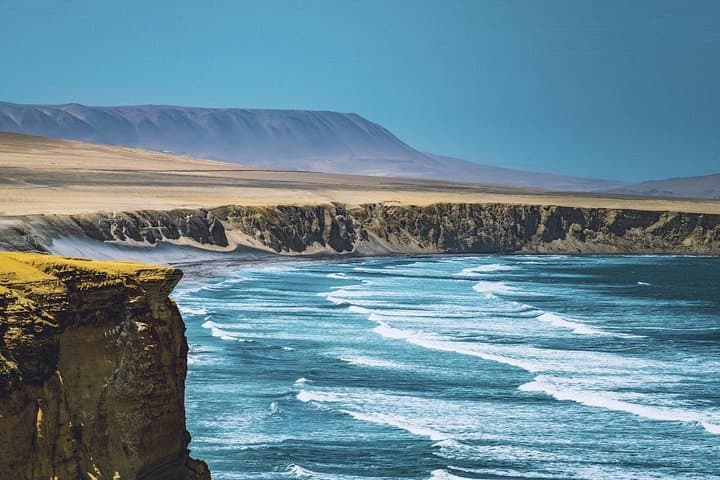
This corridor of southern Peru offers concentrated contrasts. Paracas’ cliffs are marine sediment and wind-sculpted sandstone, the Ballestas a biologically rich outcrop that feeds local fishing and guano histories. Ica carries colonial and viticultural layers; Huacachina sits where an underground water lens allows palms to thrive amid the highest coastal dunes in South America. The Nazca Lines—prehistoric geoglyphs etched into arid plains—speak to ancient ceremonial practice and remarkable survey knowledge.
Practical realities are straightforward: expect early departures, boat motion and brief but bumpy desert rides in tubulares (dune buggies). Bring sun protection, sealed footwear, and a daypack for cameras and documents. Flights over Nazca are in small aircraft with weight and carry restrictions; motion-sickness preparation is wise. Timings are tight—plan for bus transfers and a Cruz del Sur return to Lima.
For travelers, the trip is a collision of wildlife watching, light motorized adventure, and aerial archaeology—designed for people who want varied, active travel without technical skills. With sensible gear and realistic expectations about weather and movement, it delivers high-impact coastal-and-desert experiences in two compact days.
moderate.
2 days.
Suitable for travelers in average fitness: short hikes, stairs on boats and short bursts of physical activity for sandboarding.
Overflights typically last 30–40 minutes depending on routing; photos are allowed though expect vibration—use a fast shutter and secure camera straps.
No—guides fit boards and give a short briefing; dune buggies take you to tops and instructors assist beginners on gentle runs.
A windproof layer, sunglasses, sunscreen, a small waterproof bag for electronics and motion-sickness prevention if prone to seasickness.
This tour is not recommended for people with serious spinal, heart or pregnancy-related conditions due to boat motion, bumpy dune rides and small-aircraft flight stresses.
The Ballestas and Paracas region supported pre-Columbian coastal societies; nearby Nazca Plains preserve geoglyphs produced by the Nazca culture between 200 BCE and 600 CE.
Paracas National Reserve regulates boat routes and wildlife viewing to protect marine life; visitors should follow guide instructions and avoid disturbing breeding areas.
MachuPicchu Journey operates guided outdoor trips and adventures with an emphasis on safety, stewardship, and memorable experiences.
Morning light breaks on the Pacific as a small boat slips from Paracas’ pier, waves nudging the hull while cormorants wheel overhead. The itinerary moves fast: a guided cruise through the Ballestas’ pinnacles and sea-lion rookeries, an Ica city taste of pisco, a late-afternoon charge across Huacachina’s dunes and, on day two, the thin-line geometry of the Nazca figures seen from a light aircraft.
Morning light breaks on the Pacific as a small boat slips from Paracas’ pier, waves nudging the hull while cormorants wheel overhead. The itinerary moves fast: a guided cruise through the Ballestas’ pinnacles and sea-lion rookeries, an Ica city taste of pisco, a late-afternoon charge across Huacachina’s dunes and, on day two, the thin-line geometry of the Nazca figures seen from a light aircraft.
This corridor of southern Peru offers concentrated contrasts. Paracas’ cliffs are marine sediment and wind-sculpted sandstone, the Ballestas a biologically rich outcrop that feeds local fishing and guano histories. Ica carries colonial and viticultural layers; Huacachina sits where an underground water lens allows palms to thrive amid the highest coastal dunes in South America. The Nazca Lines—prehistoric geoglyphs etched into arid plains—speak to ancient ceremonial practice and remarkable survey knowledge.
Practical realities are straightforward: expect early departures, boat motion and brief but bumpy desert rides in tubulares (dune buggies). Bring sun protection, sealed footwear, and a daypack for cameras and documents. Flights over Nazca are in small aircraft with weight and carry restrictions; motion-sickness preparation is wise. Timings are tight—plan for bus transfers and a Cruz del Sur return to Lima.
For travelers, the trip is a collision of wildlife watching, light motorized adventure, and aerial archaeology—designed for people who want varied, active travel without technical skills. With sensible gear and realistic expectations about weather and movement, it delivers high-impact coastal-and-desert experiences in two compact days.