THE ADVENTURE COLLECTIVE® · Independent discovery and booking for outdoor travel

Spend two days at Okonjima in Namibia tracking cheetahs and leopards while supporting the Africat Foundation’s conservation work. This camping safari mixes guided game drives, short interpretive walks, and campsite stays beneath the Omboroko Mountains.
Spend two days at Okonjima in Namibia tracking cheetahs and leopards while supporting the Africat Foundation’s conservation work. This camping safari mixes guided game drives, short interpretive walks, and campsite stays beneath the Omboroko Mountains.
Dust settles on the red gravel as the jeep eases up a slope and the Omboroko Mountains fill the rearview—Okonjima announces itself in layered ochre and thornveld. In the early morning mist the reserve’s hides sit patient like observers; later the scrub cracks with movement as cheetah and leopard stake territory under an expanse of bright African sky.
Verified experiences and guided adventures in the surrounding area.
Operated by Safari World Tours · Otjiwarongo, Otjozondjupa
Dust settles on the red gravel as the jeep eases up a slope and the Omboroko Mountains fill the rearview—Okonjima announces itself in layered ochre and thornveld. In the early morning mist the reserve’s hides sit patient like observers; later the scrub cracks with movement as cheetah and leopard stake territory under an expanse of bright African sky.
Okonjima lies midway between Windhoek and Etosha, built around the Africat Foundation’s long-running conservation work. The sandstone folds of the Omboroko are ancient, their cliffs and drainage lines shaping where game concentrates and where predators patrol. The area’s Otjiherero name reflects local ties to land and wildlife; the reserve pairs tourism with research and community outreach, giving guests a window into rehabilitation and anti-poaching efforts.
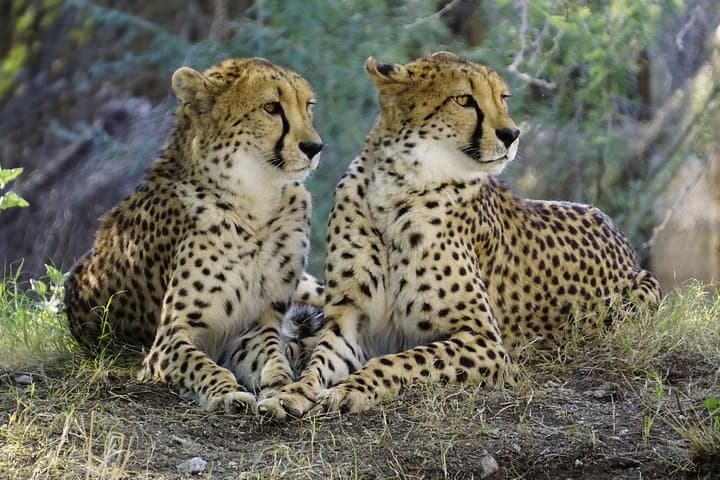
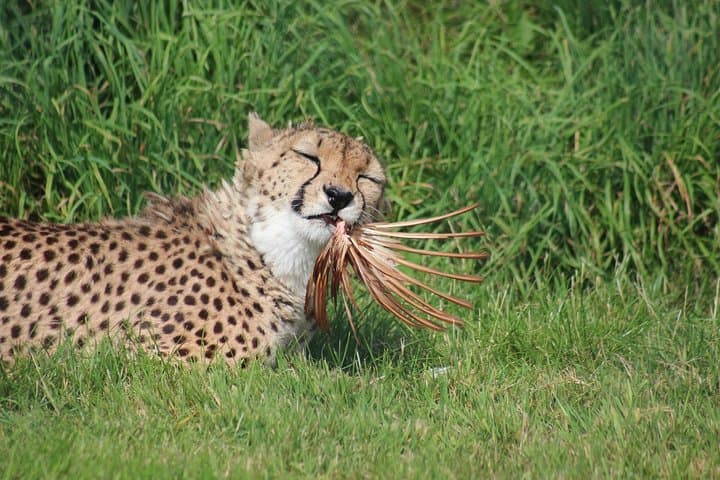
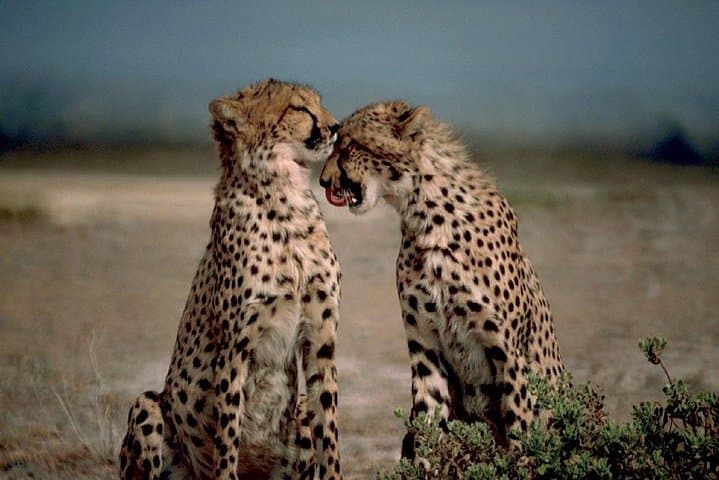
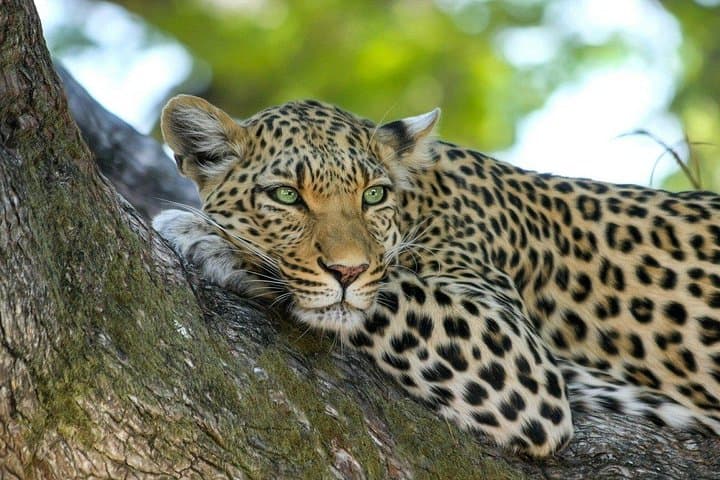
On a two-day camping itinerary expect guided game drives at dawn and dusk, short walks from designated areas, and evenings at a campsite or basic lodge platforms. Wildlife viewing is the focus—tracking cheetahs in open plains and listening for the low, near-silent movement of leopards in rocky gullies. Guides interpret spoor, behavior, and conservation context while managing safety.
Practical tips: book transfers from Windhoek or Otjiwarongo, pack layered clothing for cold nights and hot days, bring binoculars and a camera with a telephoto lens, and keep to vehicle boundaries—wild animals set the pace here. The experience is as much about conservation education as close encounters: expect measured, guided access rather than unscripted proximity.
easy.
2 days.
Suitable for most fitness levels—requires short walks and long periods in a vehicle; able-bodied mobility recommended for basic campsite movement.
Yes—Okonjima is in a low-risk, generally malaria-free area, but check health advice for your itinerary and personal health needs.
This camping tour includes basic campsite or campsite-adjacent accommodation managed by the reserve; confirm specifics with the operator for bedding and facilities.
About a 2.5-hour drive by road; private flights to the reserve’s airstrip are also available for a shorter transfer.
Children are allowed but operators may have age restrictions for specific activities—confirm at booking and follow guide safety instructions.
Okonjima hosts the Africat Foundation, established to rehabilitate and study large carnivores and to integrate conservation with local community development.
Tourism revenue supports research, rehabilitation and community education; visitors are encouraged to follow low-impact practices and guidance from guides to minimize disturbance.
Safari World Tours operates guided outdoor trips and adventures with an emphasis on safety, stewardship, and memorable experiences.
Dust settles on the red gravel as the jeep eases up a slope and the Omboroko Mountains fill the rearview—Okonjima announces itself in layered ochre and thornveld. In the early morning mist the reserve’s hides sit patient like observers; later the scrub cracks with movement as cheetah and leopard stake territory under an expanse of bright African sky.
Dust settles on the red gravel as the jeep eases up a slope and the Omboroko Mountains fill the rearview—Okonjima announces itself in layered ochre and thornveld. In the early morning mist the reserve’s hides sit patient like observers; later the scrub cracks with movement as cheetah and leopard stake territory under an expanse of bright African sky.
Okonjima lies midway between Windhoek and Etosha, built around the Africat Foundation’s long-running conservation work. The sandstone folds of the Omboroko are ancient, their cliffs and drainage lines shaping where game concentrates and where predators patrol. The area’s Otjiherero name reflects local ties to land and wildlife; the reserve pairs tourism with research and community outreach, giving guests a window into rehabilitation and anti-poaching efforts.
On a two-day camping itinerary expect guided game drives at dawn and dusk, short walks from designated areas, and evenings at a campsite or basic lodge platforms. Wildlife viewing is the focus—tracking cheetahs in open plains and listening for the low, near-silent movement of leopards in rocky gullies. Guides interpret spoor, behavior, and conservation context while managing safety.
Practical tips: book transfers from Windhoek or Otjiwarongo, pack layered clothing for cold nights and hot days, bring binoculars and a camera with a telephoto lens, and keep to vehicle boundaries—wild animals set the pace here. The experience is as much about conservation education as close encounters: expect measured, guided access rather than unscripted proximity.