THE ADVENTURE COLLECTIVE® · Independent discovery and booking for outdoor travel

Two days of Atlas passes, palm-lined valleys and a night in a desert bivouac—this private tour from Marrakech blends kasbah culture with dune-side camping. Expect long drives, a sunrise atop Erg Lihoudi, and hands-on Berber hospitality.
Two days of Atlas passes, palm-lined valleys and a night in a desert bivouac—this private tour from Marrakech blends kasbah culture with dune-side camping. Expect long drives, a sunrise atop Erg Lihoudi, and hands-on Berber hospitality.
A low sun slants across the High Atlas as a 4x4 eases up Tizi n’Tichka, the pass exhaling cold air and stone. On this two-day loop from Marrakech the road peels through ochre slopes, opens into the green ribbon of the Draa Valley, and finally yields to the sand—dunes rising like living waves at Erg Lihoudi where a berber bivouac waits.
Verified experiences and guided adventures in the surrounding area.
Operated by Holiday Services · Marrakech, Marrakesh-Safi
A low sun slants across the High Atlas as a 4x4 eases up Tizi n’Tichka, the pass exhaling cold air and stone. On this two-day loop from Marrakech the road peels through ochre slopes, opens into the green ribbon of the Draa Valley, and finally yields to the sand—dunes rising like living waves at Erg Lihoudi where a berber bivouac waits.
The route follows old caravan arteries: kasbahs and fortified earthen houses mark trading routes that once linked Marrakech to Timbuktu. Geologically the landscape shifts fast—glaciated basalt and schist in the High Atlas give way to alluvial fans and the palm-lined Draa River floodplain, then to Saharan sands shaped nightly by wind.
Local culture is visible at every stop: the kasbah architecture of Agdez, pottery workshops around Zagora, and the Tamgroute Quranic library that preserves centuries of local script and craft. At the camp a Berber team demonstrates traditional bread baked in the sand and plays rhythms under the stars.
Practicalities: expect long driving days—most time is spent in vehicle—so bring layers for 20–30°C daytime swings and cold nights near the dunes. The camp includes a tented bivouac with dinner and breakfast; sunrise climbs on the dune ridge are short but sandy. Hydrate, protect from sun and sand, and allow extra travel time through mountain passes. The trip rewards patience with raw desert light, tactile kasbah towns, and a night under a wide northern African sky.
moderate.
2 days (approximately 48 hours; 10–12 hours driving total).
Moderate fitness: able to handle short sandy hikes, dune ascents and extended vehicle travel without difficulty.
The bivouac at Erg Lihoudi is in a sand-dune area reachable by 4x4; it has basic tented accommodations and facilities managed by local staff, not full-service hotels.
The tour is private and can accommodate families, but it involves long drives and uneven sand; travelers with limited mobility or serious health concerns should consult the operator.
Yes—one night in a bivouac is included, along with dinner at camp and breakfast; lunches in towns are also provided as noted in the itinerary.
Always ask permission before photographing people; many communities are welcoming when approached respectfully.
The Draa Valley was a historical caravan corridor connecting Sahara trade routes to Marrakesh, reflected in its kasbah architecture and oasis settlements.
Travelers should minimize water use and avoid leaving waste—local communities promote low-impact camping to protect fragile dune and palm- grove ecosystems.
Holiday Services operates guided outdoor trips and adventures with an emphasis on safety, stewardship, and memorable experiences.
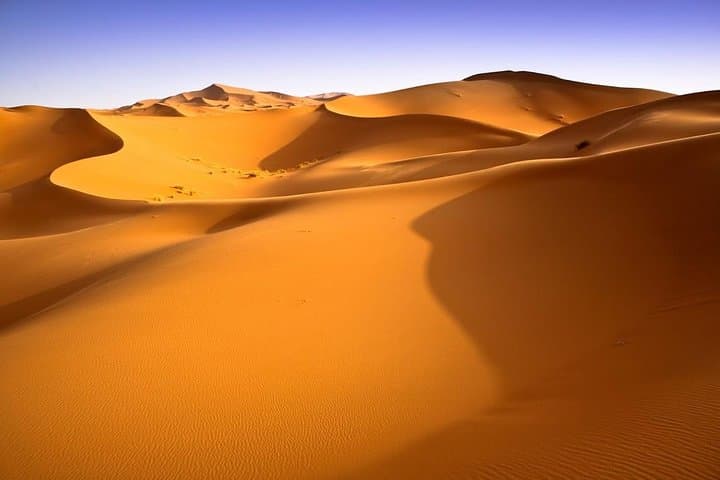
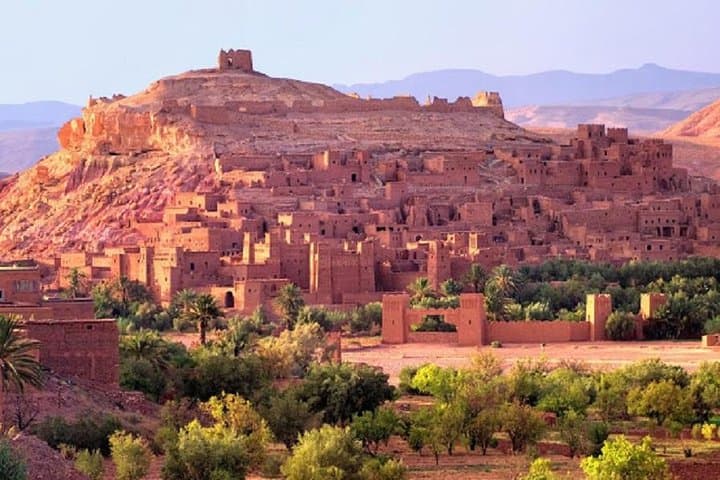
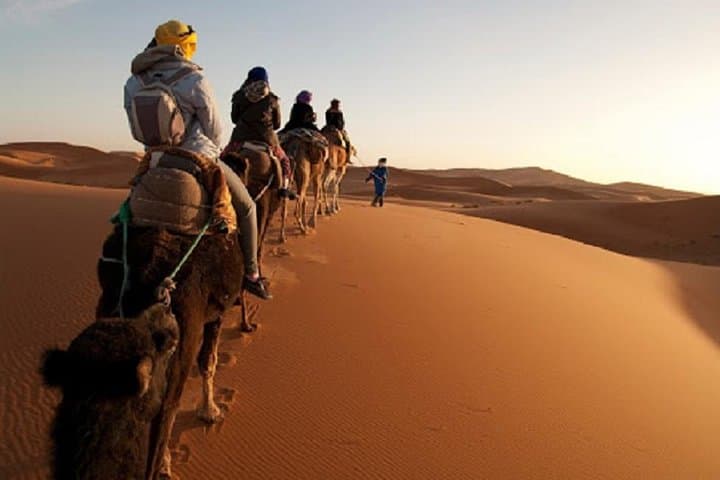
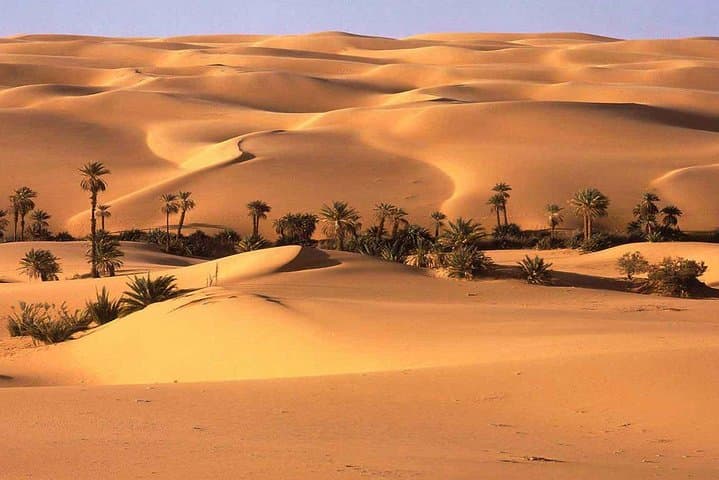
A low sun slants across the High Atlas as a 4x4 eases up Tizi n’Tichka, the pass exhaling cold air and stone. On this two-day loop from Marrakech the road peels through ochre slopes, opens into the green ribbon of the Draa Valley, and finally yields to the sand—dunes rising like living waves at Erg Lihoudi where a berber bivouac waits.
A low sun slants across the High Atlas as a 4x4 eases up Tizi n’Tichka, the pass exhaling cold air and stone. On this two-day loop from Marrakech the road peels through ochre slopes, opens into the green ribbon of the Draa Valley, and finally yields to the sand—dunes rising like living waves at Erg Lihoudi where a berber bivouac waits.
The route follows old caravan arteries: kasbahs and fortified earthen houses mark trading routes that once linked Marrakech to Timbuktu. Geologically the landscape shifts fast—glaciated basalt and schist in the High Atlas give way to alluvial fans and the palm-lined Draa River floodplain, then to Saharan sands shaped nightly by wind.
Local culture is visible at every stop: the kasbah architecture of Agdez, pottery workshops around Zagora, and the Tamgroute Quranic library that preserves centuries of local script and craft. At the camp a Berber team demonstrates traditional bread baked in the sand and plays rhythms under the stars.
Practicalities: expect long driving days—most time is spent in vehicle—so bring layers for 20–30°C daytime swings and cold nights near the dunes. The camp includes a tented bivouac with dinner and breakfast; sunrise climbs on the dune ridge are short but sandy. Hydrate, protect from sun and sand, and allow extra travel time through mountain passes. The trip rewards patience with raw desert light, tactile kasbah towns, and a night under a wide northern African sky.