THE ADVENTURE COLLECTIVE® · Independent discovery and booking for outdoor travel

Spend two days in Nyungwe National Park trekking for chimpanzees, crossing a sky-high canopy walk, and visiting a waterfall. This practical guide explains what to expect on the trails, local context, and how to prepare for early starts and muddy terrain.
Spend two days in Nyungwe National Park trekking for chimpanzees, crossing a sky-high canopy walk, and visiting a waterfall. This practical guide explains what to expect on the trails, local context, and how to prepare for early starts and muddy terrain.
Dawn in Nyungwe arrives slow and green: mist clings to giant tree ferns, and the forest—ancient, damp—seems to breathe. You set off before sunup, headlamp bobbing, following a narrow trail that climbs through moss-draped limbs toward a dawn chorus of birds and the distant, urgent chatter of chimpanzees.
Verified experiences and guided adventures in the surrounding area.
Operated by Vista Safaris · Gisakura / Uwinka, Southern Province
Dawn in Nyungwe arrives slow and green: mist clings to giant tree ferns, and the forest—ancient, damp—seems to breathe. You set off before sunup, headlamp bobbing, following a narrow trail that climbs through moss-draped limbs toward a dawn chorus of birds and the distant, urgent chatter of chimpanzees.
Nyungwe National Park is one of Africa’s oldest montane rainforests, carved by tectonic uplift and high rainfall on Rwanda’s southwestern plateau. The park protects steep ridgelines, tea plantation edges, and a network of streams that feed the headwaters of two major river systems. Local communities around Gisakura and Uwinka maintain cultural ties to the forest—traditional agriculture and oral histories about the land’s sacred places—while modern conservation efforts focus on primate protection and ecotourism.
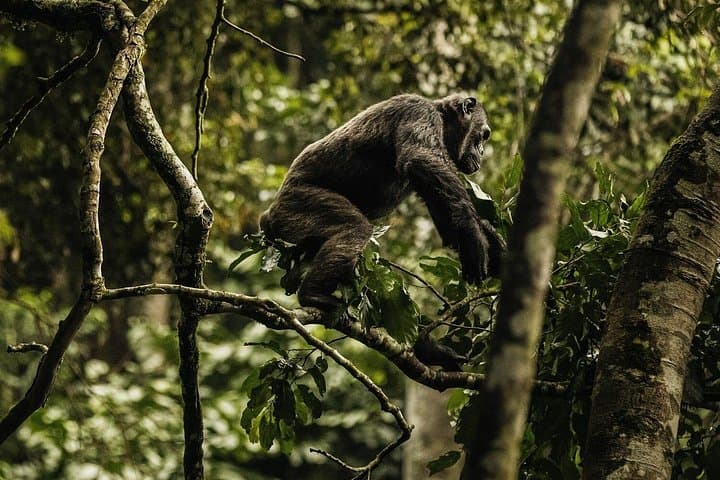
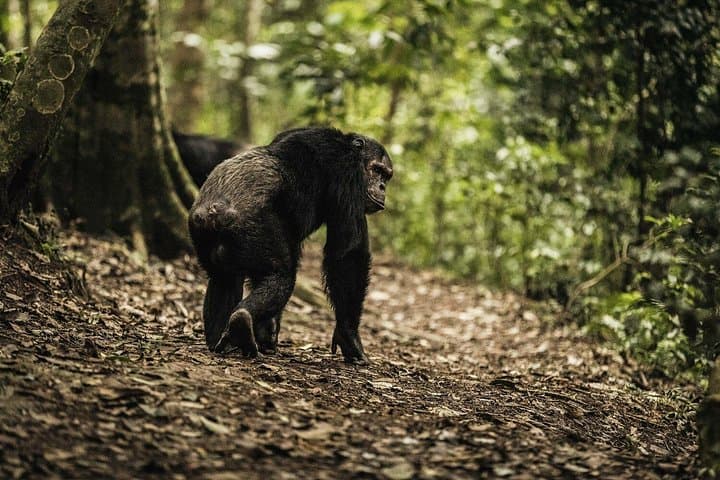
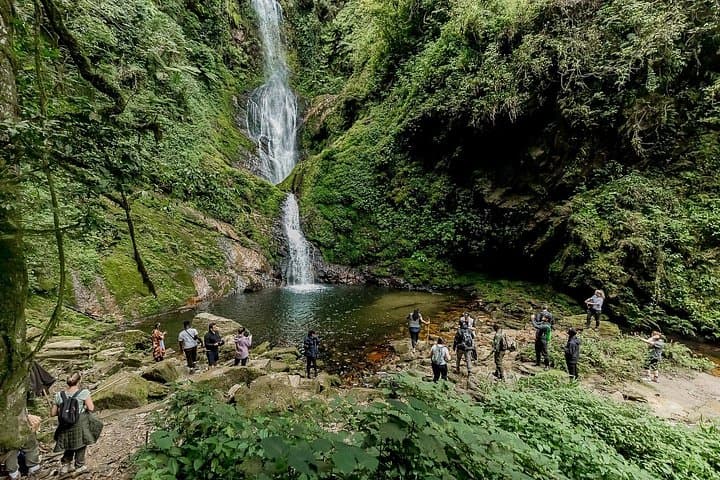
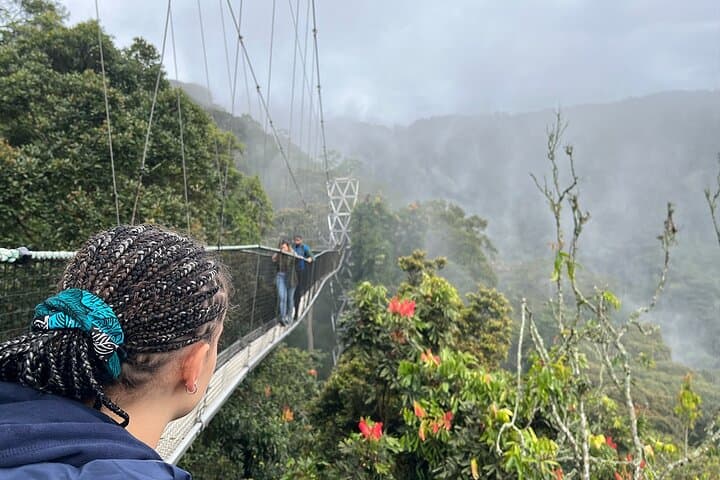
On day one the itinerary typically includes a scenic transfer from Kigali, optional canopy walk or waterfall visit, and an overnight at a forest-facing lodge. Day two starts early with a guided chimpanzee trek: trackers locate a habituated group and you get an hour observing social behavior, infant care, and feeding patterns.
Practical guidance: allow sturdy boots for muddy slopes, pack layered rain gear, bring binoculars and a camera with a quiet shutter. Physical fitness should be moderate—expect several hours of uneven uphill and downhill walking. Respect park rules: keep distance from primates, avoid feeding, and follow your guide’s briefings. With proper preparation, Nyungwe delivers close wildlife encounters framed by high-canopy trails and expansive forest vistas.
moderate.
2 days.
Participants should have a moderate level of fitness—able to hike for several hours on uneven, sometimes steep trails.
Once trackers locate a habituated group you typically have one hour to observe the chimps under guide supervision.
Canopy walk is usually optional; it’s a managed structure with safety briefings—closed-toe shoes and following staff instructions are required.
The transfer is approximately 4–5 hours by road depending on stops and traffic; the itinerary commonly includes photo stops en route.
Age rules vary by management—most permits restrict very young children; check operator guidance and park regulations before booking.
Nyungwe has long been inhabited by agricultural communities; its protection intensified in the late 20th century as Rwanda prioritized conservation and ecotourism to safeguard primates and watershed forests.
The park operates community-based programs and strict trekking rules to minimize disturbance to primates; stick to trails and heed guides to reduce your footprint.
Vista Safaris operates guided outdoor trips and adventures with an emphasis on safety, stewardship, and memorable experiences.
Dawn in Nyungwe arrives slow and green: mist clings to giant tree ferns, and the forest—ancient, damp—seems to breathe. You set off before sunup, headlamp bobbing, following a narrow trail that climbs through moss-draped limbs toward a dawn chorus of birds and the distant, urgent chatter of chimpanzees.
Dawn in Nyungwe arrives slow and green: mist clings to giant tree ferns, and the forest—ancient, damp—seems to breathe. You set off before sunup, headlamp bobbing, following a narrow trail that climbs through moss-draped limbs toward a dawn chorus of birds and the distant, urgent chatter of chimpanzees.
Nyungwe National Park is one of Africa’s oldest montane rainforests, carved by tectonic uplift and high rainfall on Rwanda’s southwestern plateau. The park protects steep ridgelines, tea plantation edges, and a network of streams that feed the headwaters of two major river systems. Local communities around Gisakura and Uwinka maintain cultural ties to the forest—traditional agriculture and oral histories about the land’s sacred places—while modern conservation efforts focus on primate protection and ecotourism.
On day one the itinerary typically includes a scenic transfer from Kigali, optional canopy walk or waterfall visit, and an overnight at a forest-facing lodge. Day two starts early with a guided chimpanzee trek: trackers locate a habituated group and you get an hour observing social behavior, infant care, and feeding patterns.
Practical guidance: allow sturdy boots for muddy slopes, pack layered rain gear, bring binoculars and a camera with a quiet shutter. Physical fitness should be moderate—expect several hours of uneven uphill and downhill walking. Respect park rules: keep distance from primates, avoid feeding, and follow your guide’s briefings. With proper preparation, Nyungwe delivers close wildlife encounters framed by high-canopy trails and expansive forest vistas.