THE ADVENTURE COLLECTIVE® · Independent discovery and booking for outdoor travel

Move from dense montane forest onto glowing volcanic rock and stand above an active lava lake. This focused 2-day trek to Mount Nyiragongo pairs strenuous ascent with an unforgettable crater-side overnight.
Move from dense montane forest onto glowing volcanic rock and stand above an active lava lake. This focused 2-day trek to Mount Nyiragongo pairs strenuous ascent with an unforgettable crater-side overnight.
The sun drops behind the Rwandan hills as your headlamp dots the trail — a string of hikers moving up volcanic scree toward a glow that grows from ember to furnace. By nightfall the lava lake at Nyiragongo’s heart glows like a living compass, pulling the group to the crater rim where you sleep in a simple shelter and wake to steam and distant rumble.
Verified experiences and guided adventures in the surrounding area.
Operated by Usalama Tours Rwanda · Goma, North Kivu
The sun drops behind the Rwandan hills as your headlamp dots the trail — a string of hikers moving up volcanic scree toward a glow that grows from ember to furnace. By nightfall the lava lake at Nyiragongo’s heart glows like a living compass, pulling the group to the crater rim where you sleep in a simple shelter and wake to steam and distant rumble.
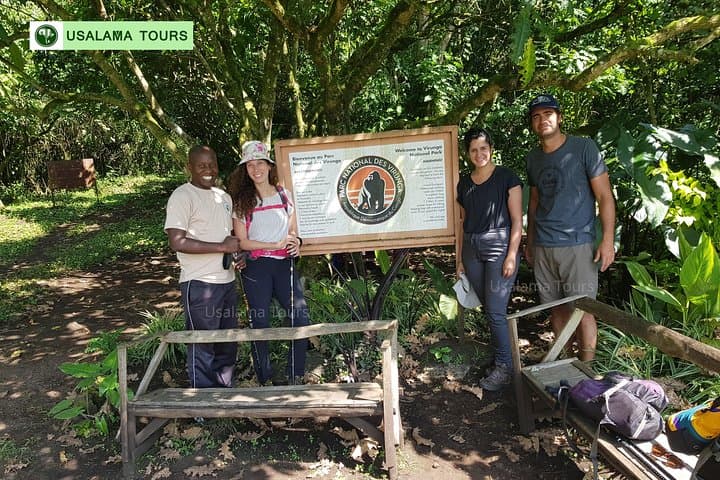
Nyiragongo sits in Virunga National Park, one of Africa’s oldest conservation areas. The volcano’s basaltic composition produces unusually fluid lava; eruptions in 1977 and 2002 shaped the current crater and the fertile plains below. Local communities in Goma and surrounding villages balance livelihoods with park stewardship, and porters, guides, and cooks are part of the climb’s cultural fabric.
The route typically starts near Kibati or the park gate at ~1,500 m and climbs to the summit at about 3,470 m — roughly 1,800–2,000 m of elevation gain. Expect 5–6 hours of ascent over 6–12 km of mixed terrain: humid montane forest lower down, then loose cinders and sharp volcanic rock higher up. Nights are cold and windy at the rim; daytime can be hot and dusty on the scree slopes.
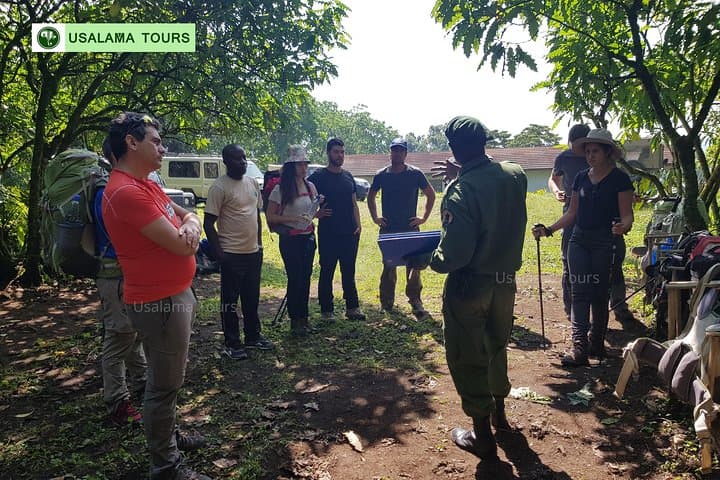
Practical notes: a guided permit and rescue fee are required, and the trek is strenuous — good aerobic fitness is essential. Carry water, layered warm clothing, and sturdy boots with ankle support. Porters are available for luggage; camping/shelter is basic. Plan border logistics if continuing to Rwanda from Goma, and allow flexibility for weather or park closures.
challenging.
2 days (5–6 hours ascent; 3–4 hours descent).
High level of aerobic fitness and comfort with sustained uphill hiking and unstable volcanic scree required
Yes — park entry, climbing permit, and rescue fees are required and usually handled by your tour operator.
It’s strenuous: expect several hours of sustained uphill hiking with almost 2,000 m of elevation gain; good fitness and prior hiking experience recommended.
Visibility depends on volcanic activity and weather; when active and clear, the molten lake is visible at night, but conditions can change rapidly.
Yes — many itineraries finish in Goma with options to transfer across the border to Rwanda; plan passport and visa logistics in advance.
Virunga National Park, created in 1925, is Africa’s oldest national park and has a complex history of conservation, conflict, and community resilience tied to the volcanoes.
Support certified guides and park fees—revenues fund ranger patrols and community programs; minimize impact by staying on trails and packing out waste.
Usalama Tours Rwanda operates guided outdoor trips and adventures with an emphasis on safety, stewardship, and memorable experiences.
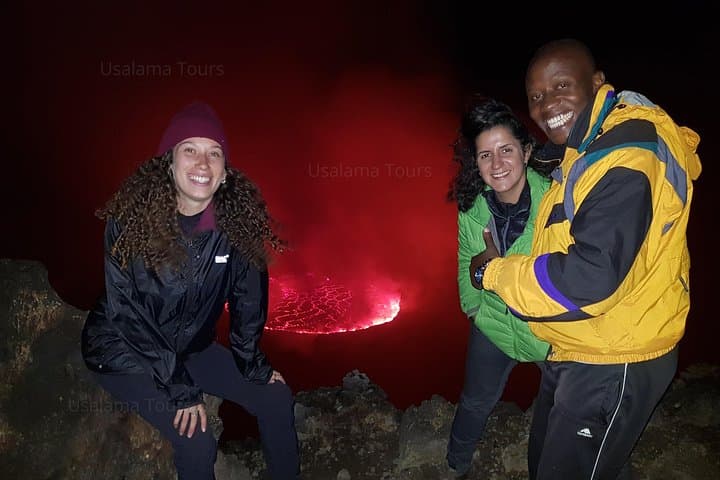
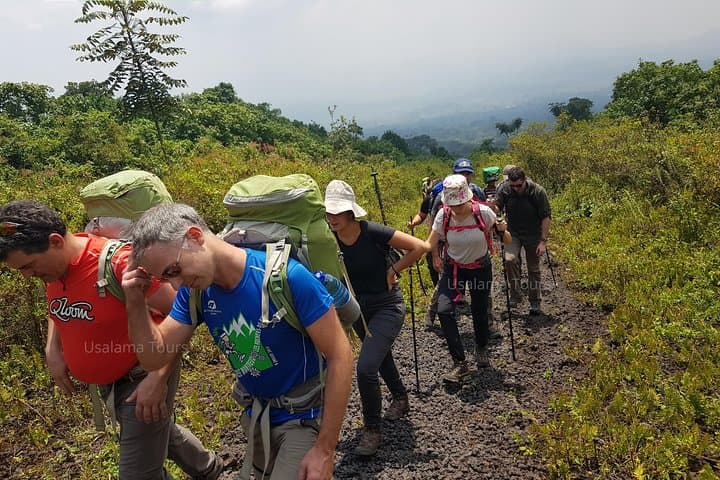
The sun drops behind the Rwandan hills as your headlamp dots the trail — a string of hikers moving up volcanic scree toward a glow that grows from ember to furnace. By nightfall the lava lake at Nyiragongo’s heart glows like a living compass, pulling the group to the crater rim where you sleep in a simple shelter and wake to steam and distant rumble.
The sun drops behind the Rwandan hills as your headlamp dots the trail — a string of hikers moving up volcanic scree toward a glow that grows from ember to furnace. By nightfall the lava lake at Nyiragongo’s heart glows like a living compass, pulling the group to the crater rim where you sleep in a simple shelter and wake to steam and distant rumble.
Nyiragongo sits in Virunga National Park, one of Africa’s oldest conservation areas. The volcano’s basaltic composition produces unusually fluid lava; eruptions in 1977 and 2002 shaped the current crater and the fertile plains below. Local communities in Goma and surrounding villages balance livelihoods with park stewardship, and porters, guides, and cooks are part of the climb’s cultural fabric.
The route typically starts near Kibati or the park gate at ~1,500 m and climbs to the summit at about 3,470 m — roughly 1,800–2,000 m of elevation gain. Expect 5–6 hours of ascent over 6–12 km of mixed terrain: humid montane forest lower down, then loose cinders and sharp volcanic rock higher up. Nights are cold and windy at the rim; daytime can be hot and dusty on the scree slopes.
Practical notes: a guided permit and rescue fee are required, and the trek is strenuous — good aerobic fitness is essential. Carry water, layered warm clothing, and sturdy boots with ankle support. Porters are available for luggage; camping/shelter is basic. Plan border logistics if continuing to Rwanda from Goma, and allow flexibility for weather or park closures.