THE ADVENTURE COLLECTIVE® · Independent discovery and booking for outdoor travel

Two days of train and coach travel take you from Dublin to Belfast and along the dramatic Antrim Coast to the Giant's Causeway. This guided tour combines geology, coastal castles, and short accessible walks—ideal for travelers who want a compact, scenic introduction to Northern Ireland.
Two days of train and coach travel take you from Dublin to Belfast and along the dramatic Antrim Coast to the Giant's Causeway. This guided tour combines geology, coastal castles, and short accessible walks—ideal for travelers who want a compact, scenic introduction to Northern Ireland.
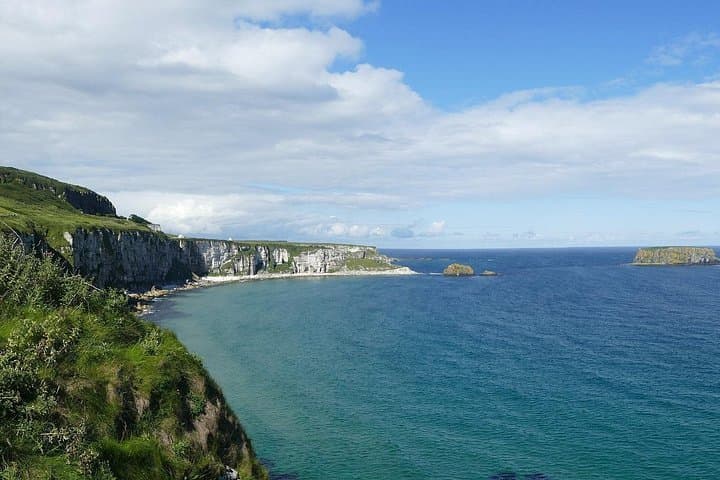
You step off the late-afternoon train into Belfast as gulls wheel over the Lagan and the city exhales a different tempo. After an overnight at a city hotel, the next day the coach slides north along the Antrim Coast Road, cliffs and sea keeping pace at the window. Waves and wind shape the coastline here; the landscape feels intent on being seen.
Verified experiences and guided adventures in the surrounding area.
Operated by Railtours Ireland First Class · Bushmills, County Antrim
You step off the late-afternoon train into Belfast as gulls wheel over the Lagan and the city exhales a different tempo. After an overnight at a city hotel, the next day the coach slides north along the Antrim Coast Road, cliffs and sea keeping pace at the window. Waves and wind shape the coastline here; the landscape feels intent on being seen.
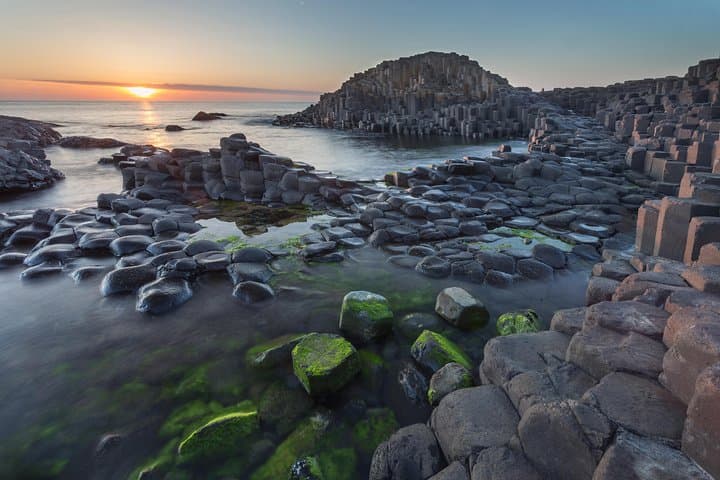
The Giant's Causeway itself is volcanic geology in plain sight—roughly 40,000 interlocking basalt columns formed by an ancient eruption and protected as a UNESCO World Heritage Site. Local history mixes with myth: Dunluce Castle perches on a knife-edge of medieval intrigue while the legend of Fionn Mac Cumhaill offers an imaginative counterpoint to the basalt's hard facts. Small fishing villages like Ballycastle and Ballintoy keep coastal traditions alive; you may hear Irish spoken alongside English and find local seafood on menus.
Practicalities are straightforward. The trip uses rail to Belfast and a guided coach for the coast, with short walks at each stop. Paths at the Causeway are uneven and can be slippery; allow 60–120 minutes to explore the basalt, and factor in time for a photo stop at Dunluce and, seasonally, Carrick-a-Rede rope bridge. Winter schedules alter the route; check the itinerary before booking. Bring waterproof layers, sturdy footwear, and your passport for cross-border travel formalities if required. Travel light, allow time to watch seabirds and seals, and follow National Trust guidance to protect this fragile shoreline.
easy.
2 days (approx. 48 hours).
Suitable for most fitness levels; participants should be able to manage short walks on uneven terrain and steps.
Yes, the itinerary includes a guided visit to the Giant's Causeway; National Trust access is included as described, but special activities like guided cave tours are separate.
Crossing is subject to seasonal opening and a small fee; the tour stops nearby and will advise on crossing opportunities depending on time and weather.
No; modern coaches are used but the tour involves short walks on uneven ground and steps, and wheelchairs and mobility scooters cannot be accommodated.
Between November and March the full Causeway Coastal Route may not run; winter schedules join the tour nearer Ballycastle and omit parts of the coast—check dates when booking.
The Causeway’s hexagonal columns formed from cooling lava about 60 million years ago; the site is a UNESCO World Heritage Site and features medieval ruins like Dunluce Castle along the route.
Sites are managed by the National Trust and local authorities—stick to marked paths, avoid removing stones, and respect wildlife during nesting season.
Railtours Ireland First Class operates guided outdoor trips and adventures with an emphasis on safety, stewardship, and memorable experiences.


You step off the late-afternoon train into Belfast as gulls wheel over the Lagan and the city exhales a different tempo. After an overnight at a city hotel, the next day the coach slides north along the Antrim Coast Road, cliffs and sea keeping pace at the window. Waves and wind shape the coastline here; the landscape feels intent on being seen.
You step off the late-afternoon train into Belfast as gulls wheel over the Lagan and the city exhales a different tempo. After an overnight at a city hotel, the next day the coach slides north along the Antrim Coast Road, cliffs and sea keeping pace at the window. Waves and wind shape the coastline here; the landscape feels intent on being seen.
The Giant's Causeway itself is volcanic geology in plain sight—roughly 40,000 interlocking basalt columns formed by an ancient eruption and protected as a UNESCO World Heritage Site. Local history mixes with myth: Dunluce Castle perches on a knife-edge of medieval intrigue while the legend of Fionn Mac Cumhaill offers an imaginative counterpoint to the basalt's hard facts. Small fishing villages like Ballycastle and Ballintoy keep coastal traditions alive; you may hear Irish spoken alongside English and find local seafood on menus.
Practicalities are straightforward. The trip uses rail to Belfast and a guided coach for the coast, with short walks at each stop. Paths at the Causeway are uneven and can be slippery; allow 60–120 minutes to explore the basalt, and factor in time for a photo stop at Dunluce and, seasonally, Carrick-a-Rede rope bridge. Winter schedules alter the route; check the itinerary before booking. Bring waterproof layers, sturdy footwear, and your passport for cross-border travel formalities if required. Travel light, allow time to watch seabirds and seals, and follow National Trust guidance to protect this fragile shoreline.