THE ADVENTURE COLLECTIVE® · Independent discovery and booking for outdoor travel

A two-day private loop from Arusha that pairs Lake Manyara’s bird-rich woodlands with the staggering Ngorongoro Crater — a compact safari that maximizes big-game viewing and geological spectacle. Perfect for travelers short on time who want concentrated wildlife encounters.
A two-day private loop from Arusha that pairs Lake Manyara’s bird-rich woodlands with the staggering Ngorongoro Crater — a compact safari that maximizes big-game viewing and geological spectacle. Perfect for travelers short on time who want concentrated wildlife encounters.
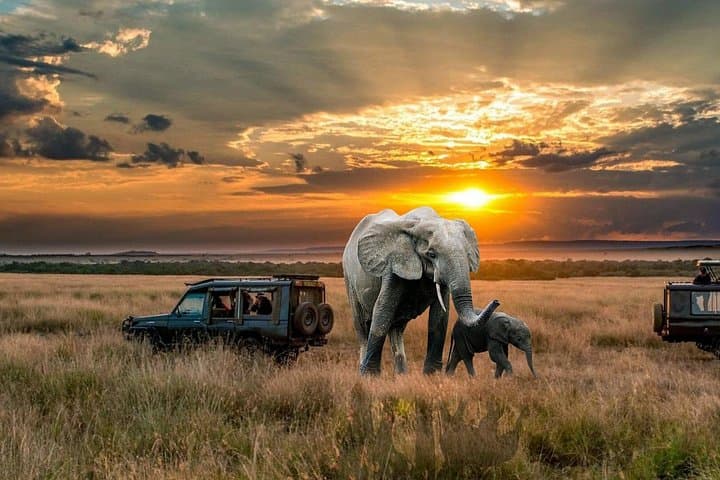
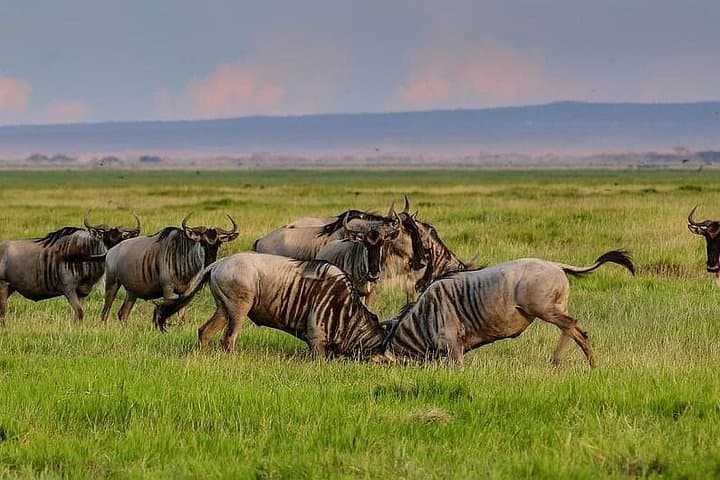
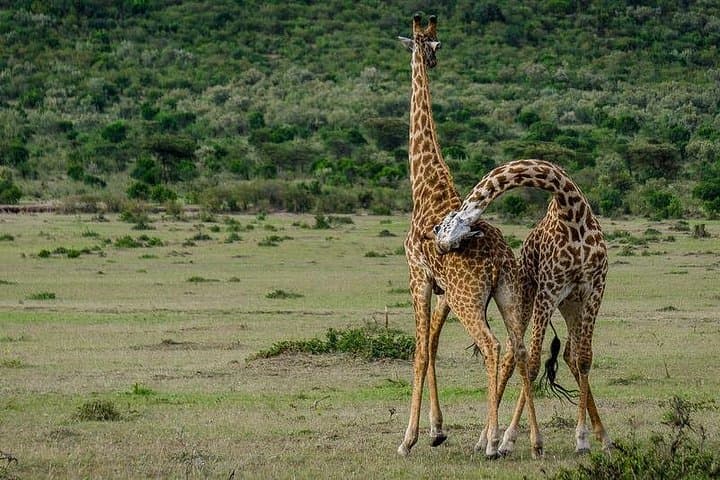
You arrive at first light beneath the Manyara Escarpment and the Rift Valley wind seems to nudge the jeep forward — the lake beyond a sheet of glass, the acacias like watchful hosts. The driver-guide steers you toward shaded tracks and open pans where flamingos line the shallows and the rare tree-climbing lions patrol the branches as if grooming a different skyline.
Verified experiences and guided adventures in the surrounding area.
Operated by Elianne Expeditions · Arusha, Arusha Region
You arrive at first light beneath the Manyara Escarpment and the Rift Valley wind seems to nudge the jeep forward — the lake beyond a sheet of glass, the acacias like watchful hosts. The driver-guide steers you toward shaded tracks and open pans where flamingos line the shallows and the rare tree-climbing lions patrol the branches as if grooming a different skyline.
This compact Northern Circuit samples two very different landscapes. Lake Manyara National Park sits at the base of the escarpment with alkaline shallows, woodlands, and an extraordinary concentration of baboons. Ngorongoro’s caldera is geological theatre: roughly 20 km across, about 600 m deep and roughly 300 sq km in area, a volcanic bowl that traps water and wildlife. The crater rim rises to roughly 2,200–2,400 m, a highland edge shaped by ancient eruptions and sustained pastoral cultures — the Maasai have grazed these slopes for generations, and the Ngorongoro Conservation Area balances people and predators in one protected unit.
Practically, the two-day loop is driven: early departures, long but comfortable game drives, and lodge stays at family-run properties. Expect long periods in the vehicle punctuated by short walks near viewpoints, wildlife sightings at close range, and communal meals included with the tour. Bring layered clothing for high-altitude mornings, good binoculars, and patience — animals move on their own timetable and the crater often rewards the quiet observer. Book morning slots for crater descents, carry water and sun protection, and respect park rules so this dense, living landscape stays wild for those who follow.
easy.
2 days.
Light fitness; suitable for travelers who can manage long seat times, short walks, and early starts.
This tour routinely requires separate park and conservation fees that are often payable locally; confirm with your operator at booking.
The trip is rated easy—most activity is vehicle-based with short, optional walks; be prepared for early mornings and long drives.
Dry months (June–October) concentrate animals around water and make game viewing easier; the wet season (March–May, short rains in Nov–Dec) produces lush scenery and excellent birding.
Visitors should check Tanzania entry visa rules and consult a travel clinic for routine vaccinations; a yellow fever certificate is required if arriving from infected countries.
Ngorongoro Conservation Area was established to conserve wildlife while allowing Maasai pastoralism; the crater area has a deep human and geological history tied to the Rift Valley.
The area balances tourism with pastoral life and anti-poaching efforts; stick to designated roads and licensed guides to minimize impact.
Elianne Expeditions operates guided outdoor trips and adventures with an emphasis on safety, stewardship, and memorable experiences.
You arrive at first light beneath the Manyara Escarpment and the Rift Valley wind seems to nudge the jeep forward — the lake beyond a sheet of glass, the acacias like watchful hosts. The driver-guide steers you toward shaded tracks and open pans where flamingos line the shallows and the rare tree-climbing lions patrol the branches as if grooming a different skyline.
You arrive at first light beneath the Manyara Escarpment and the Rift Valley wind seems to nudge the jeep forward — the lake beyond a sheet of glass, the acacias like watchful hosts. The driver-guide steers you toward shaded tracks and open pans where flamingos line the shallows and the rare tree-climbing lions patrol the branches as if grooming a different skyline.
This compact Northern Circuit samples two very different landscapes. Lake Manyara National Park sits at the base of the escarpment with alkaline shallows, woodlands, and an extraordinary concentration of baboons. Ngorongoro’s caldera is geological theatre: roughly 20 km across, about 600 m deep and roughly 300 sq km in area, a volcanic bowl that traps water and wildlife. The crater rim rises to roughly 2,200–2,400 m, a highland edge shaped by ancient eruptions and sustained pastoral cultures — the Maasai have grazed these slopes for generations, and the Ngorongoro Conservation Area balances people and predators in one protected unit.
Practically, the two-day loop is driven: early departures, long but comfortable game drives, and lodge stays at family-run properties. Expect long periods in the vehicle punctuated by short walks near viewpoints, wildlife sightings at close range, and communal meals included with the tour. Bring layered clothing for high-altitude mornings, good binoculars, and patience — animals move on their own timetable and the crater often rewards the quiet observer. Book morning slots for crater descents, carry water and sun protection, and respect park rules so this dense, living landscape stays wild for those who follow.