THE ADVENTURE COLLECTIVE® · Independent discovery and booking for outdoor travel

Cross from Bali to East Java for a night climb to Ijen Crater and the chance to see its famous blue fire. This two-day itinerary pairs coastal temples, mountain lakes and Baluran’s savanna with a pre-dawn volcanic trek.
Cross from Bali to East Java for a night climb to Ijen Crater and the chance to see its famous blue fire. This two-day itinerary pairs coastal temples, mountain lakes and Baluran’s savanna with a pre-dawn volcanic trek.
Night buses, a ferry crossing and a moonlit climb set the scene: you leave Bali’s coastal temples behind and head east, arriving at a simple homestay before a pre-dawn ascent to Ijen’s rim. The air is cool and taut with anticipation as headlamps bob along the path and sulfur plumes curl from the crater below. By first light the lake’s surreal turquoise contrasts with black rock; if conditions allow, the rare electric-blue flames flicker where damp sulfur gases ignite.
Verified experiences and guided adventures in the surrounding area.
Operated by PT.WAHYU MANDIRI TOUR · Banyuwangi, East Java
Night buses, a ferry crossing and a moonlit climb set the scene: you leave Bali’s coastal temples behind and head east, arriving at a simple homestay before a pre-dawn ascent to Ijen’s rim. The air is cool and taut with anticipation as headlamps bob along the path and sulfur plumes curl from the crater below. By first light the lake’s surreal turquoise contrasts with black rock; if conditions allow, the rare electric-blue flames flicker where damp sulfur gases ignite.
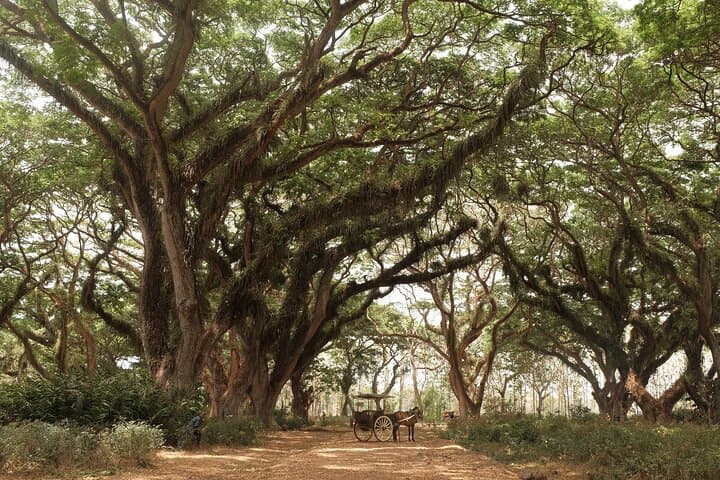
This route threads Bali’s northern coastal towns and mountain lakes with East Java’s volcanic edge. Tanah Lot and Mengwi represent centuries of Balinese ritual architecture, while Baluran National Park opens onto teak and savanna landscapes shaped by dry monsoon patterns and volcanic soils. Mount Ijen itself is a young stratovolcano whose acidic crater lake and active fumaroles have long influenced local livelihoods — from traditional sulphur harvesting to new tourism economies in Banyuwangi.
Practically: the night trek is steep and uneven, 1–2 hours of ascent from the parking area with loose volcanic scree near the rim. Expect cold winds at the crater edge and possible sulfur fumes; guides provide masks and torches but bring a sturdier respirator if you’re sensitive. Plan on early transfers, a ferry crossing (Bali–Java), basic overnight lodging, and limited amenities during the hike. Hydrate, dress in layers, and allow time to enjoy sunrise views before the descent. With careful planning this two-day itinerary pairs Balinese culture and coastal scenery with one of Indonesia’s most elemental volcanic experiences.
challenging.
2 days (overnight).
Participants should have good cardiovascular fitness and experience with steep, uneven night hikes; able to sustain a 1–2 hour ascent carrying a small daypack.
The uphill walk from the parking area typically takes 1–2 hours depending on fitness and trail conditions; plan for additional time at the rim for viewing sunrise.
No — blue fire depends on gas emissions and wind; dry, calm conditions give the best chance, but sightings are never guaranteed.
The itinerary includes one night in a local homestay or similar twin-share accommodation—basic, clean lodgings typical for rural Banyuwangi.
Minimum age is 15; the trek is not recommended for pregnant women or those with serious heart/back conditions due to steep sections and sulfur exposure.
Tanah Lot and Mengwi temples reflect centuries of Balinese Hindu practice and local royal patronage; Banyuwangi’s communities historically combined agrarian and sulfur-mining livelihoods around Ijen.
Ijen’s fragile crater ecosystem and local communities are affected by visitor pressure and sulfur mining; follow stay-on-path rules, avoid littering and respect guided instructions to minimize impact.
PT.WAHYU MANDIRI TOUR operates guided outdoor trips and adventures with an emphasis on safety, stewardship, and memorable experiences.
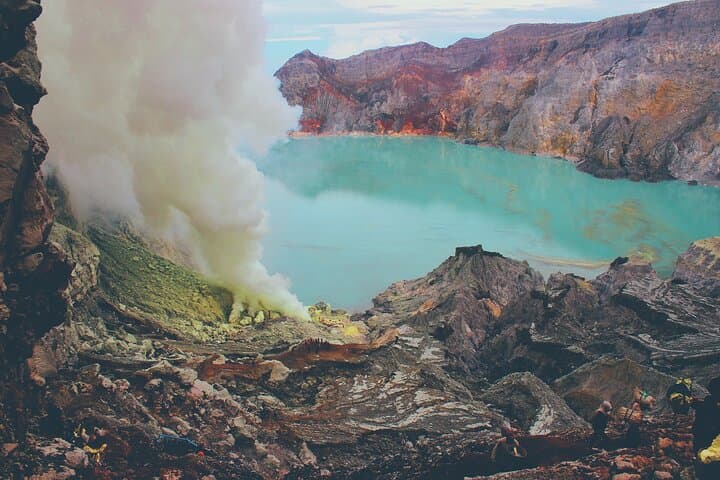
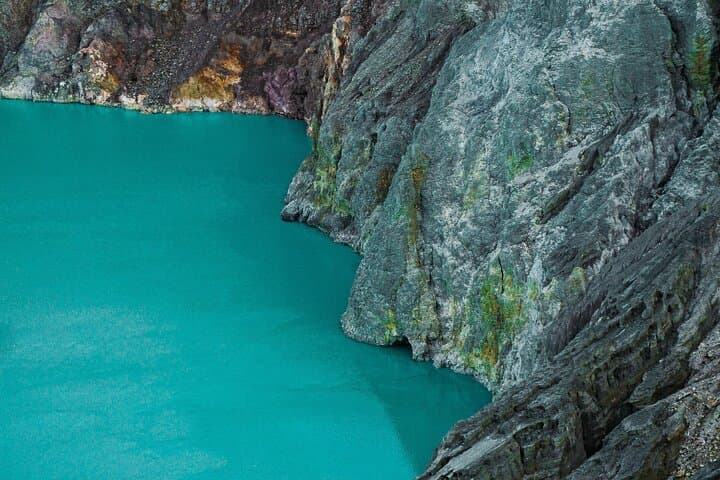
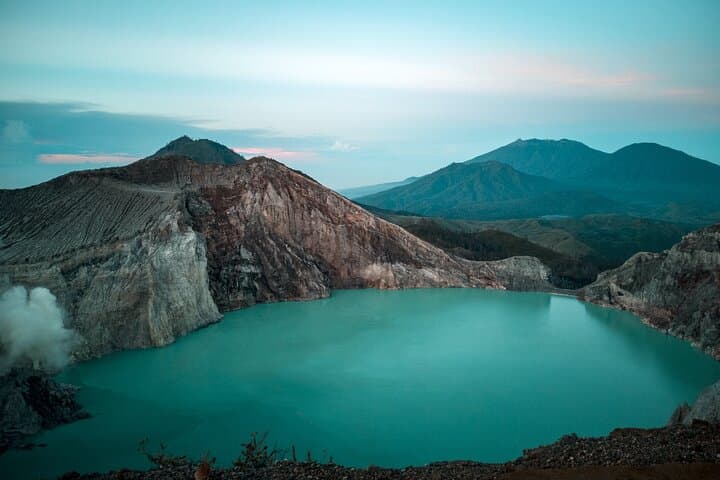
Night buses, a ferry crossing and a moonlit climb set the scene: you leave Bali’s coastal temples behind and head east, arriving at a simple homestay before a pre-dawn ascent to Ijen’s rim. The air is cool and taut with anticipation as headlamps bob along the path and sulfur plumes curl from the crater below. By first light the lake’s surreal turquoise contrasts with black rock; if conditions allow, the rare electric-blue flames flicker where damp sulfur gases ignite.
Night buses, a ferry crossing and a moonlit climb set the scene: you leave Bali’s coastal temples behind and head east, arriving at a simple homestay before a pre-dawn ascent to Ijen’s rim. The air is cool and taut with anticipation as headlamps bob along the path and sulfur plumes curl from the crater below. By first light the lake’s surreal turquoise contrasts with black rock; if conditions allow, the rare electric-blue flames flicker where damp sulfur gases ignite.
This route threads Bali’s northern coastal towns and mountain lakes with East Java’s volcanic edge. Tanah Lot and Mengwi represent centuries of Balinese ritual architecture, while Baluran National Park opens onto teak and savanna landscapes shaped by dry monsoon patterns and volcanic soils. Mount Ijen itself is a young stratovolcano whose acidic crater lake and active fumaroles have long influenced local livelihoods — from traditional sulphur harvesting to new tourism economies in Banyuwangi.
Practically: the night trek is steep and uneven, 1–2 hours of ascent from the parking area with loose volcanic scree near the rim. Expect cold winds at the crater edge and possible sulfur fumes; guides provide masks and torches but bring a sturdier respirator if you’re sensitive. Plan on early transfers, a ferry crossing (Bali–Java), basic overnight lodging, and limited amenities during the hike. Hydrate, dress in layers, and allow time to enjoy sunrise views before the descent. With careful planning this two-day itinerary pairs Balinese culture and coastal scenery with one of Indonesia’s most elemental volcanic experiences.