THE ADVENTURE COLLECTIVE® · Independent discovery and booking for outdoor travel

See two contrasting Peruvian landscapes in one long weekend: the aerial mystery of the Nazca Lines and the wildlife‑rich rock formations of the Ballestas Islands. This 2‑day tour from Lima combines a small aircraft overflight with a short coastal boat trip and straightforward transfers.
See two contrasting Peruvian landscapes in one long weekend: the aerial mystery of the Nazca Lines and the wildlife‑rich rock formations of the Ballestas Islands. This 2‑day tour from Lima combines a small aircraft overflight with a short coastal boat trip and straightforward transfers.
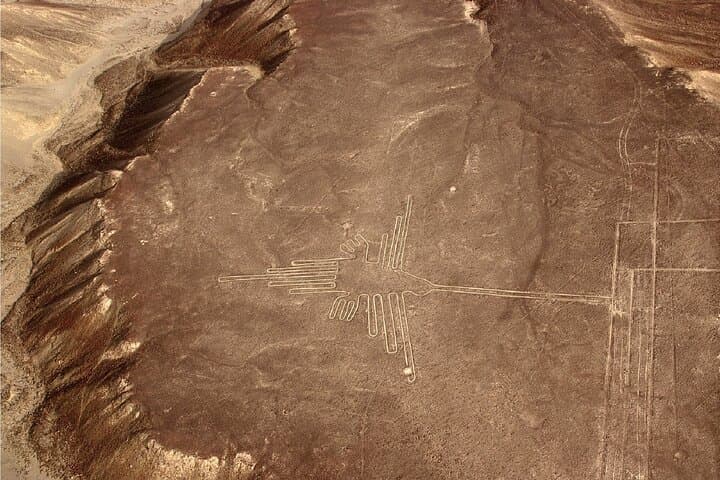
You touch down early on a cool, salty morning in Pisco and the ocean wind already seems intent on pushing you toward the horizon. The bus trip from Lima carves through the coastal desert — miles of ochre pampas that hold the Nazca geoglyphs — then delivers you to a small airstrip where the real perspective opens up: from the tiny plane the desert drawings unfold like a map that refuses to be obeyed.
Verified experiences and guided adventures in the surrounding area.
Operated by Tangol · Paracas, Ica
You touch down early on a cool, salty morning in Pisco and the ocean wind already seems intent on pushing you toward the horizon. The bus trip from Lima carves through the coastal desert — miles of ochre pampas that hold the Nazca geoglyphs — then delivers you to a small airstrip where the real perspective opens up: from the tiny plane the desert drawings unfold like a map that refuses to be obeyed.
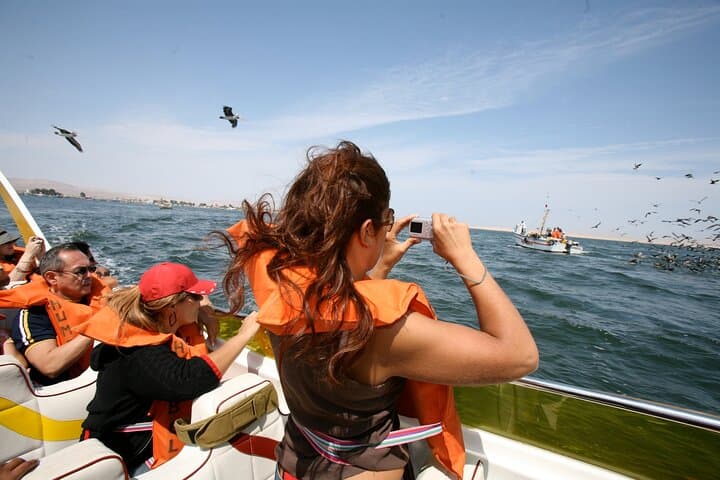
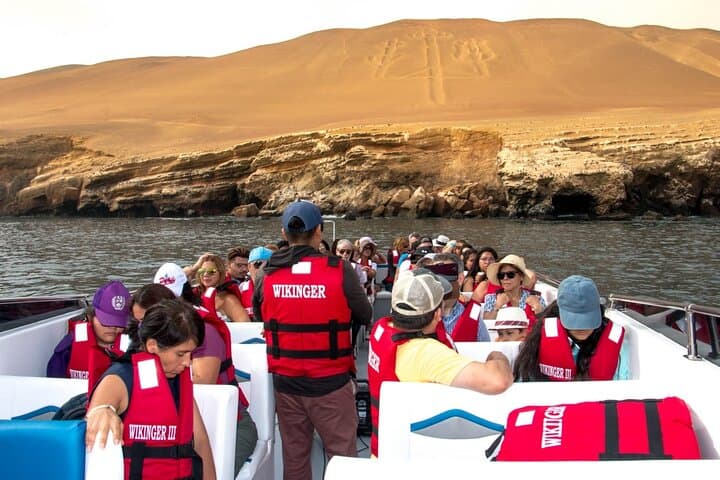
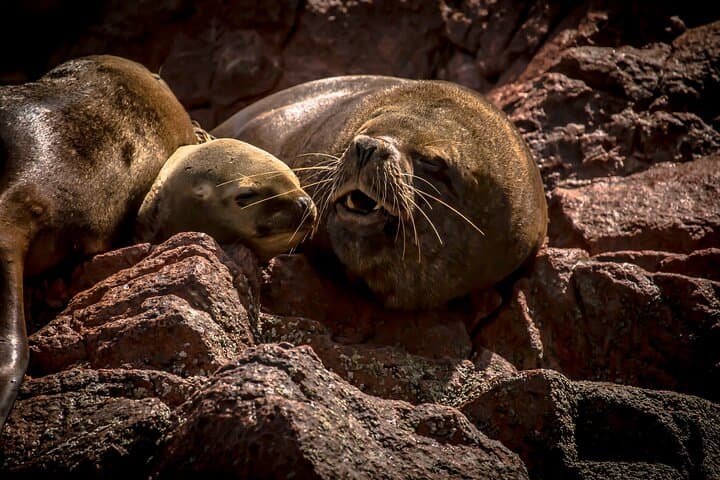
The Nazca Lines were etched by the pre‑Inca Nazca culture between roughly 700 BCE and 200 CE by removing darker surface stones to expose lighter subsoils; the hyper‑arid climate and stable soils preserved them until air travel revealed their scale in the 20th century. The following day flips to sea: Paracas National Reserve’s cliffs and the Ballestas Islands — carved sandstone, kelp beds, and colonies of Humboldt penguins and sea lions — accessible via a 20–40 minute boat ride from El Chaco pier. The Candelabrum geoglyph, visible from the water, ties coastal and desert iconography into one landscape of human marks and wild life.
Practicalities: expect about 4 hours each way by road from Lima, a ~1.5‑hour flight segment over Nazca, and short open‑boat trips to the islands. Bring sunscreen, sunglasses, a windproof layer, and motion‑sickness medication; flights have strict weight and safety rules. Book early for morning flights when thermals are calmer and visibility is best. Respect protected areas: do not attempt to access the lines on foot and follow guides’ instructions to limit disturbance to seabird colonies.
easy.
2 days.
Suitable for most travelers comfortable with long transfers and short boat/plane rides; no strenuous hiking required
The flight experience from Pisco is approximately 1 to 1.5 hours total; time over the geoglyphs is limited but allows passes over the major figures such as the condor, spider and monkey.
Yes — infants must sit on an adult’s lap on the plane; operators typically have age and weight limitations, so check at booking.
Boat rides from El Chaco pier are usually 20–40 minutes each way, depending on sea conditions and the route taken around the islands.
Yes — original passport is required for flights and sometimes for transport logistics; bring it and keep it secure during transfers.
The Nazca Lines were produced by the Nazca culture (c. 700 BCE–200 CE) and gained archaeological attention in the 20th century; they became a UNESCO World Heritage Site in 1994.
Both the Nazca pampas and Paracas National Reserve are ecologically sensitive—stay on permitted routes, avoid touching archaeological features, and follow guides’ instructions to minimize wildlife disturbance.
Tangol operates guided outdoor trips and adventures with an emphasis on safety, stewardship, and memorable experiences.
You touch down early on a cool, salty morning in Pisco and the ocean wind already seems intent on pushing you toward the horizon. The bus trip from Lima carves through the coastal desert — miles of ochre pampas that hold the Nazca geoglyphs — then delivers you to a small airstrip where the real perspective opens up: from the tiny plane the desert drawings unfold like a map that refuses to be obeyed.
You touch down early on a cool, salty morning in Pisco and the ocean wind already seems intent on pushing you toward the horizon. The bus trip from Lima carves through the coastal desert — miles of ochre pampas that hold the Nazca geoglyphs — then delivers you to a small airstrip where the real perspective opens up: from the tiny plane the desert drawings unfold like a map that refuses to be obeyed.
The Nazca Lines were etched by the pre‑Inca Nazca culture between roughly 700 BCE and 200 CE by removing darker surface stones to expose lighter subsoils; the hyper‑arid climate and stable soils preserved them until air travel revealed their scale in the 20th century. The following day flips to sea: Paracas National Reserve’s cliffs and the Ballestas Islands — carved sandstone, kelp beds, and colonies of Humboldt penguins and sea lions — accessible via a 20–40 minute boat ride from El Chaco pier. The Candelabrum geoglyph, visible from the water, ties coastal and desert iconography into one landscape of human marks and wild life.
Practicalities: expect about 4 hours each way by road from Lima, a ~1.5‑hour flight segment over Nazca, and short open‑boat trips to the islands. Bring sunscreen, sunglasses, a windproof layer, and motion‑sickness medication; flights have strict weight and safety rules. Book early for morning flights when thermals are calmer and visibility is best. Respect protected areas: do not attempt to access the lines on foot and follow guides’ instructions to limit disturbance to seabird colonies.